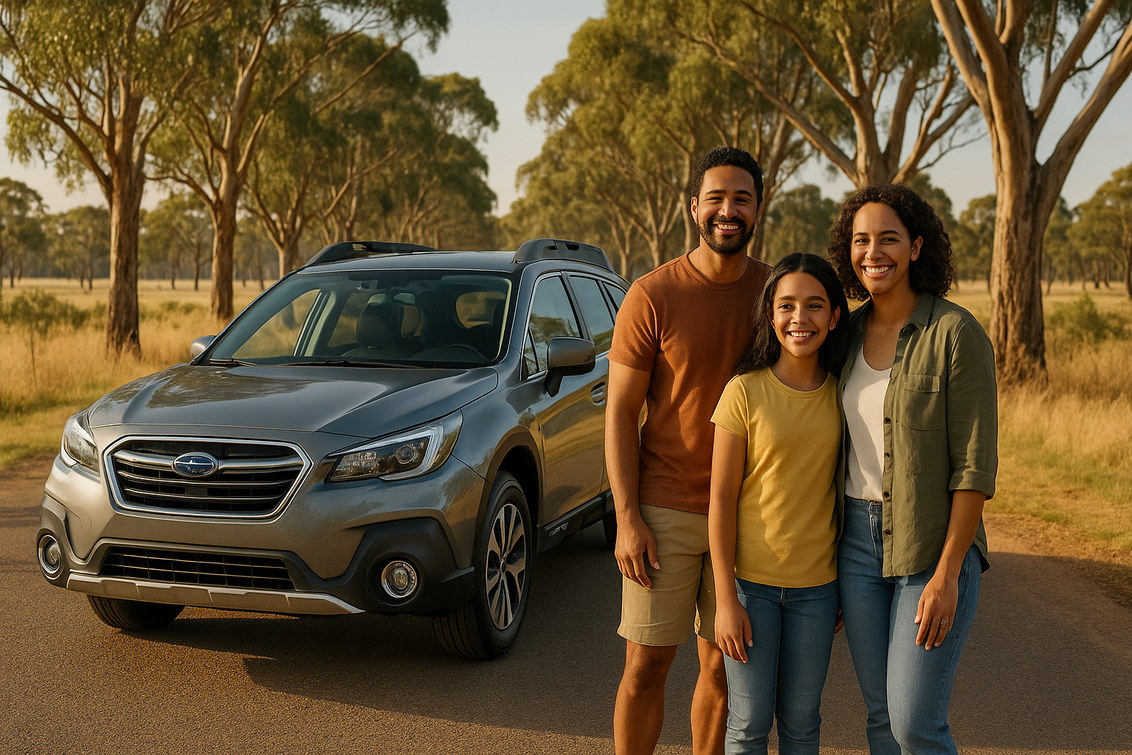
Subaru Outback
Estimated reading time: 10 minutes
Key takeaways
- Do the basics: confirm ownership, run a PPSR check, and verify rego before you agree to buy.
- Shortlist model years and trims, track real listings, and compare prices to market ranges.
- Inspect carefully, test drive methodically, and book an independent pre‑purchase inspection.
- Service history is king; complete, consistent logbook entries add confidence and resale value.
- Use defects and upcoming costs to negotiate, and be ready to walk away.
- If you only need extra load space occasionally, hiring a van or ute can be cheaper than owning.
Table of contents
- Subaru Outback
- Key takeaways
- Table of contents
- Why the Subaru Outback is such a popular used buy
- The legal basics (NSW focus): checks to do before you agree to buy
- Researching Subaru Outback models and prices
- Inspecting a used Subaru Outback: what to look for
- Valuing a used Outback and negotiating
- Budgeting: the real cost to get on the road
- A simple step‑by‑step: buying a used Outback in NSW
- Dealer vs private: which is right for your Outback?
- When hiring makes more sense than buying
- After you buy: simple steps to protect your Outback’s value
- Conclusion
- Important Disclaimer
- Quick FAQs: used Subaru Outback
Thinking about a used Subaru Outback? This guide walks you through how to research, inspect, value and buy a second‑hand Outback in Australia, with a focus on simple steps that protect you and your money. If you only need extra load space now and then, we also show when hiring a van or ute can make more sense.
Why the Subaru Outback is such a popular used buy
The Subaru Outback is a roomy, all‑wheel‑drive wagon that suits Aussie families, weekend adventurers and regional drivers. It blends car‑like comfort with added ground clearance and a big boot. That makes it a smart option if you want one vehicle for city life during the week and gravel roads or camping trips on the weekend.
In the used market, the Outback is common, so you can compare many cars and negotiate. With any used Outback, your best value comes from doing your homework on price, checking the history, and getting a quality pre‑purchase inspection.
The legal basics (NSW focus): checks to do before you agree to buy
In NSW, you have a few must‑do checks to reduce risk and avoid surprises.
- Confirm the seller’s identity and ownership. Make sure the name on the registration matches the person selling the car, and avoid sellers who won’t show ID or rego papers.
- Check whether money is owing, or if the vehicle is stolen or written off. Use the PPSR (Personal Property Securities Register) with the VIN to see if the vehicle is under finance or has a write‑off record.
- Verify registration status and details. Confirm the car is currently registered and that the rego details match the vehicle you’re inspecting. For NSW‑specific guidance, see the NSW Government’s guide to buying a used vehicle.
- Check for a current safety inspection or roadworthy (where required) and look over tyres, lights, seatbelts and general condition. If unsure, get an independent inspection.
If you’re outside NSW, your state will have similar checks and timeframes, but the paperwork and terms can differ.
Buying from a dealer vs a private seller (NSW)
- Licensed dealer
- You may get a statutory warranty on certain used cars and stronger protections under NSW law.
- Dealers must display a Form 5 (car details including odometer and encumbrances) and provide a proper contract with itemised charges.
- Private seller
- Often cheaper, but there’s no statutory warranty and fewer protections. You must do all checks yourself (PPSR, inspection, history).
Cooling‑off periods and contracts
- Used cars bought from a dealer with dealer‑arranged finance may include a cooling‑off period. You can cancel within the period but may pay a small fee.
- Private sales in NSW do not have a cooling‑off period.
Researching Subaru Outback models and prices
Before you inspect any car, build a shortlist of suitable Outback years and trims, and learn the fair price range.
- Use major listing sites, price guides, and expert/owner reviews to gauge market value and running costs. This helps you compare asking prices to realistic values and negotiate with confidence.
- Track a few live Outback listings over one to two weeks. Note the year, kilometres, service history, and options. See which cars sell fast and which are discounted. This gives you a sense of what’s hot and what’s overpriced.
Tip: When you contact a seller, ask for the VIN, rego, odometer reading, and clear logbook photos. If they’re reluctant to provide this, walk away.
Inspecting a used Subaru Outback: what to look for
You can do a lot with a careful DIY inspection and test drive. If you’re not highly confident, arrange a paid pre‑purchase inspection by an independent mechanic before you commit.
First impressions
- Exterior:
- Look for mismatched paint, overspray, uneven panel gaps, rust bubbles, or ripples that could indicate past accidents.
- Check all lights, indicators and high beam.
- Tyres and wheels:
- Tyres should show even wear across the tread. Uneven wear can signal poor alignment or suspension issues.
- Interior:
- Compare interior wear (steering wheel, seats, pedals) with the odometer. Excess wear on a low‑km car is a red flag.
- Engine bay:
- Look and sniff for oil or coolant leaks, burnt smells, or recent heavy cleaning (could hide leaks).
Test drive checklist
Try to start the car cold. Turn off the radio and listen.
- Start‑up and idle: The engine should start easily from cold and settle to a steady idle. Watch the dash for warning lights.
- Acceleration and cruising: The car should pull smoothly through the revs without flat spots or surging.
- Transmission: Gear shifts should be smooth and consistent. Any slipping, flaring, shuddering or harsh engagement needs investigation.
- Steering and suspension: The car should track straight with no pulling. Over bumps, listen for clunks or rattles that may indicate worn components.
- Brakes: Braking should be firm and consistent, with no vibration through the pedal or steering wheel.
- Noises and vibrations: Pay attention to drivetrain hums, bearing noises, or vibrations at certain speeds.
Because the Outback is all‑wheel drive, check all four tyres are the same brand, model and size, and that tread depths are similar. Mixed tyres or uneven tread can stress AWD systems. If in doubt, let a mechanic assess it.
Service history matters
A complete, documented service history strongly supports reliability and resale value. Prefer Outbacks with:
- Logbook entries stamped by time and kilometres.
- Evidence of major services completed on schedule (e.g., fluids, belts where applicable, spark plugs).
- Receipts for recent work like tyres, brakes, or battery.
Missing, patchy or inconsistent records are a risk flag.
Arrange a pre‑purchase inspection
If the car looks promising, invest in an independent inspection. A good mechanic will check underbody, suspension, brakes, cooling, leaks, electrics and scan for codes. They can estimate near‑term costs (tyres, brakes, servicing), which you can use to negotiate.
Valuing a used Outback and negotiating
- Shortlist three to five Outbacks that fit your needs. Record their specs, kilometres, service history and asking prices. Compare to market ranges from valuation guides and listings.
- During the inspection, jot down any faults or upcoming costs (e.g., tyres near the wear bars, brake shudder, fluid leaks). Use these to justify your offer.
- Be ready to walk away. There are usually many Outbacks on the market, and another clean example will come up.
Budgeting: the real cost to get on the road
Set an all‑in budget before you shop. Include:
- Purchase price.
- Stamp duty and transfer fees.
- Insurance.
- First service and immediate maintenance (e.g., tyres, battery, wipers).
If you’re using dealer finance, compare their rate with bank or credit‑union loans. Don’t focus only on the weekly repayment—check the total cost over the term and fees. In NSW, if you use dealer‑arranged finance for a used car, a cooling‑off period may apply, though a small fee may be payable if you cancel within that window.
A simple step‑by‑step: buying a used Outback in NSW
Follow this workflow to keep things clear and low stress.
- Define your needs and all‑in budget
How many seats do you need? Mostly city use or long highway runs? Do you tow? Decide your maximum total spend including on‑road costs and the first service. - Shortlist Outback model years and trims
Use market research and reviews to pick reliable, common models with good parts availability, then shortlist suitable years/specs within budget. - Search listings
Look at both dealer stock and private ads. For each car, note the asking price vs your market range. - Screen the seller
Ask for the VIN, current rego, odometer, and clear photos of the service logbook. If the seller won’t provide them, move on. - Run history and legal checks
Use the VIN for PPSR (to check encumbrances or write‑off status) and confirm the registration details. NSW buyers can find official advice here: Buying and selling vehicles – buying a used vehicle. - Inspect and test drive
Work through the checklist above. If you’re not 100% confident, book a paid pre‑purchase inspection with an independent mechanic. - Negotiate
Base your offer on market value and the cost of any defects or upcoming maintenance (tyres, brakes, servicing). - Paperwork and payment
Dealer purchase: check the contract itemisation, warranty terms (if any), and whether a cooling‑off period applies with dealer‑arranged finance.
Private purchase: get a signed receipt with buyer/seller names and addresses, VIN, price and date, then lodge the transfer and duty within the timeframe set by your state authority.
Dealer vs private: which is right for your Outback?
- Dealer pros:
- Potential statutory warranty on eligible used cars, plus clearer paperwork and protections.
- Cars are often prepared for sale (detailed, basic repairs done).
- Dealer cons:
- Higher prices than private sales.
- Finance can be convenient but sometimes costlier overall—compare carefully.
- Private pros:
- Lower prices and room to negotiate.
- Private cons:
- No statutory warranty, and you must do all checks yourself (PPSR, rego, inspection, history).
When hiring makes more sense than buying
If you only occasionally need a larger vehicle to move furniture, whitegoods or bulky gear, hiring a van, ute or small truck for a few hours or a day can be cheaper and easier than owning one. Some providers offer easy local pick‑up and on‑demand booking via a mobile interface, designed for people who only need a bigger vehicle now and then. This can help you avoid the ongoing costs of ownership like depreciation, rego, insurance and maintenance on a second vehicle.
That way, your Outback can serve as your daily car, and you can simply hire a bigger load‑carrier for the few times a year you need extra capacity.
After you buy: simple steps to protect your Outback’s value
- Book a baseline service. Even if the seller says it’s “just been serviced,” start fresh so you know where things stand. Keep receipts.
- Maintain the logbook. Regular, on‑time servicing is the best way to protect reliability and future resale value.
- Fix small issues early. Don’t let small leaks or noises turn into big repairs.
- Keep tyres matched and rotated. On an AWD wagon, consistent tyre brand, size and tread depth helps keep the system happy.
- Store all paperwork together: purchase receipt, PPSR search, rego and insurance documents, and service invoices.
Conclusion
A used Subaru Outback can be a brilliant all‑rounder for Australian roads and family life. Pick your shortlist, run your PPSR and rego checks, inspect and test drive with care, and invest in a pre‑purchase inspection before you sign. If a seller won’t provide the VIN or service history, trust your gut and move on—another clean Outback is always out there.
Ready to find yours? Explore our range, book a test drive, or ask us about finance and trade‑ins today: IL: vehicle inspection checklist, IL: finance options, IL: trade-in valuation, IL: used utes, IL: used vans.
Important Disclaimer
This article is general information only. It is not financial, legal or mechanical advice. Always verify details yourself (e.g., PPSR status, registration, warranty coverage, roadworthy, towing and payload limits) and consult qualified professionals (mechanic, lender, insurer) or your relevant state authority before purchasing.
Quick FAQs: used Subaru Outback
Is the Subaru Outback a good family car?
Yes. It’s spacious, comfortable and all‑wheel drive, which helps on wet roads and groomed gravel. As with any used family car, focus on service history and a proper inspection.
What paperwork do I need to buy in NSW?
Confirm identity and ownership, run a PPSR check with the VIN to spot finance owing or write‑off status, verify rego status, and make sure you get a proper receipt with all details. For official guidance, see the NSW Government’s page.
Should I buy from a dealer or a private seller?
Dealers may offer a statutory warranty on eligible cars and must provide clear contract details, but often charge more. Private sales are usually cheaper but offer fewer protections; you must do all checks yourself.
Do I really need a pre‑purchase inspection?
It’s one of the best investments you can make on an older or high‑km car. An independent inspection can uncover hidden issues and help you negotiate or walk away.
I only need to move bulky items a couple of times a year. What should I do?
Hire a van, ute or small truck for those days. On‑demand options let you book and use a vehicle only when needed, saving you ongoing ownership costs.