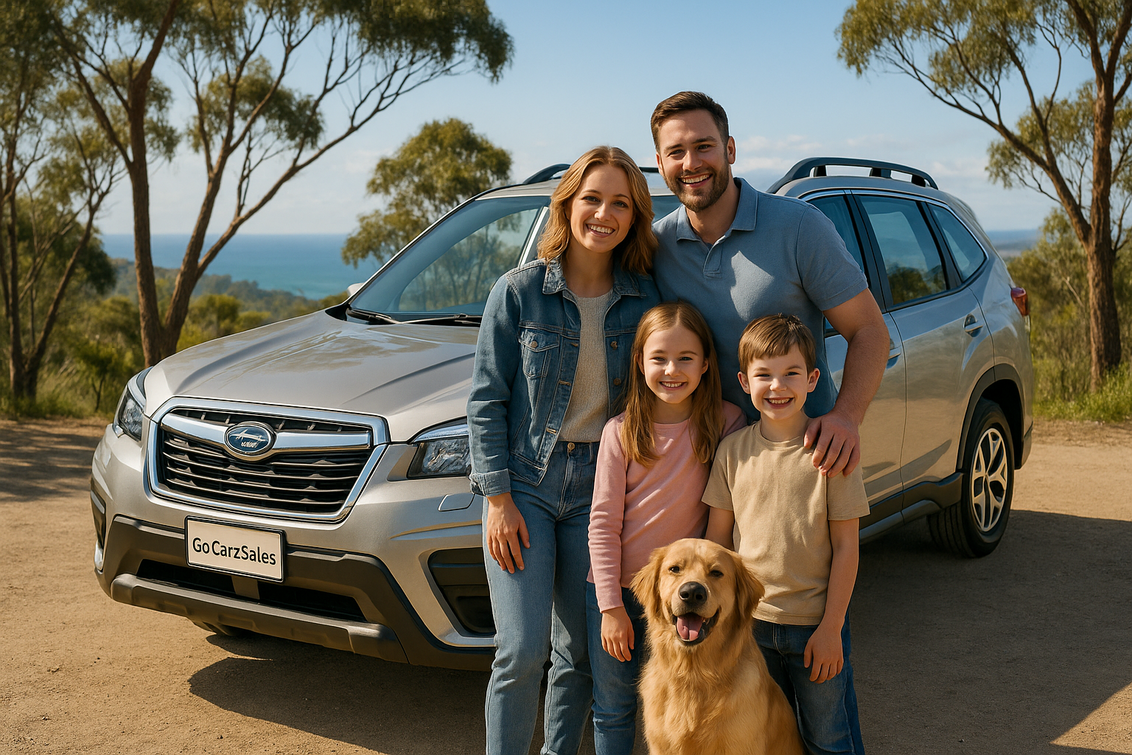
Subaru Forester
Estimated reading time: 12 minutes
Key takeaways
- Focus on condition and documented service history over badge or kilometres alone.
- Arrive with a clear budget, must-have features, and weekly-use checklist.
- Test drive on mixed roads; consider an independent inspection for confidence.
- Verify VIN, PPSR, rego, and logbooks before paying a deposit.
- Factor running costs: tyres, servicing, insurance, and fuel use.
- Know towing and roof-load limits for the exact Forester model you’re buying.
Table of contents
- Subaru Forester
- Key takeaways
- Table of contents
- Quick note on sources and research
- Why the Subaru Forester is on so many Aussie shortlists
- Who a used Subaru Forester suits best
- Set your budget and checklist first
- Buying from a dealer vs a private seller
- What to look for in a used Subaru Forester
- How to test drive a Subaru Forester
- Paperwork you should confirm every time
- Running costs and ownership tips
- Safety, comfort, and family-friendly features to check
- Off-bitumen and regional use
- Towing with a Subaru Forester
- How to compare two Foresters fairly
- Negotiation tips for a used Subaru Forester
- How GoCarzSales can help
- A simple step-by-step plan on the day
- Conclusion
- Important Disclaimer
- Common questions about buying a used Subaru Forester
Quick note on sources and research
The research results available to us did not include the specific websites requested (gowiththegecko.com.au, carsguide.com.au, gecko-live, or gocarzsales.com.au). They covered general Australian used-car buying advice, such as where to buy used cars, how to inspect vehicles, consumer rights, popular models, and paperwork steps. We summarise those common best practices in the sections below for your convenience.
Why the Subaru Forester is on so many Aussie shortlists
- Balanced size: Easy to park in town, yet roomy enough for kids, pets, sport gear, or a weekly shop.
- Everyday comfort: Good driving position, simple controls, and a relaxed ride on long drives.
- All-weather confidence: Many Foresters are known for sure-footed grip, which helps in wet weather and on country roads.
- Practical touches: Big boot opening, split-fold rear seats, and useful cabin storage.
- Confidence on rough roads: Forester is often chosen by Aussies who visit gravel tracks, campsites, and beaches (within local laws and the vehicle’s limits).
Note: Features vary by year, trim, and previous owner choices, so always check the exact car in front of you.
Who a used Subaru Forester suits best
- Families who want space without going too big.
- New drivers who want solid visibility and a calm driving feel.
- Regional and rural owners who need a stable, planted SUV for mixed roads.
- Pet owners who want easy load-in height and a tailgate that makes sense.
- Weekend adventurers who need room for boards, bikes, or camping gear.
Set your budget and checklist first
Before you step onto a lot or call a seller, write down three things:
- Your must-haves
- Safety tech you want.
- Enough seats and cargo space.
- Apple CarPlay/Android Auto (if important to you).
- Automatic or manual (if available in the year you’re considering).
- Your budget and running costs
- Purchase price range.
- Fuel use that makes sense for your drive pattern.
- Insurance and rego.
- Tyres and servicing.
- Your weekly use
- Mainly city trips, or longer highway runs?
- Occasional gravel roads?
- Need to tow? If yes, check the owner’s manual of the exact vehicle for maximum braked tow rating and towball download limits. Never exceed them.
It helps to bring this list when you view cars. It keeps you focused.
Buying from a dealer vs a private seller
- Dealers
- Pros: You may get statutory warranty (depending on your state and the car’s age and kilometres), a cleaner buying process, and often a PPSR check and roadworthy supplied.
- Cons: Price can be higher than private.
- Private sellers
- Pros: Often lower prices and more room to negotiate.
- Cons: You do the paperwork, risk is higher, and inspections are on you. Some private cars are excellent; some are not. Take your time.
Wherever you buy, do your checks. Ask for a service history, logbooks, and receipts. Match the VIN on the car to the paperwork. Ask for proof of ownership. If anything feels off, walk away.
What to look for in a used Subaru Forester
Every used car is unique. Focus on the exact vehicle, not just the badge. Use this checklist as a guide.
Service history and ownership
- Logbook stamps, dates, and kilometres lined up in order.
- Receipts for major services.
- Any recall work shown as completed.
- Ask who serviced the car (dealer or reputable independent).
- Look for well-cared-for signs: clean engine bay, original owner’s manual, spare keys included.
Exterior and bodywork
- Paint finish even on all panels.
- Panel gaps consistent (look at bonnet, doors, tailgate).
- Signs of prior repairs: overspray, mis-matched paint, ripples in reflections.
- Underbody check for scrapes if it has seen gravel tracks.
- Windscreen chips or cracks (can lead to replacement costs).
- All lights working.
Tyres, wheels, and suspension
- Tyre tread even across all tyres (inner-edge wear can hint at alignment issues).
- No bulges or cracks on sidewalls.
- Wheels straight, no big gouges.
- On a short bounce test at each corner, the car should settle quickly (indicative only).
- Listen for clunks over speed bumps on the test drive.
Engine bay and fluids
- No obvious oil leaks around the engine, transmission, or diffs.
- No burnt oil smell after a drive.
- Fluids at proper levels: engine oil, coolant (never open a hot system), brake fluid, and power steering (if applicable).
- Belts and hoses in good condition (not frayed or brittle).
Interior and tech
- Seats, trims, and roof lining tidy and secure.
- All power windows, mirrors, locks, and central locking operate.
- Air con cold; heater hot.
- Infotainment screen responsive; Bluetooth connects.
- Reverse camera (if fitted) clear.
- No warning lights after the engine starts and settles.
Safety checks
- Test that all seatbelts latch and retract.
- Child-seat points present and undamaged.
- Headlights, brake lights, and indicators working.
- If the vehicle advertises driver-assist features, confirm they are present and functional (refer to owner’s manual and observe in a safe, legal way).
Towing and load checks
- If it has a towbar, look for wiring quality and a rated towbar plate.
- Check for a trailer brake controller if you plan to tow over the legal threshold.
- Roof racks should be rated; check dynamic load limits in the manual.
How to test drive a Subaru Forester
A good test drive answers three questions: Does it suit your life? Is it sound? Is the price fair?
- Start cold. Does it fire up smoothly? Any rough idle?
- Let it warm up. Listen for odd ticks or knocks.
- Drive on mixed roads. A short loop with a mix of city streets, a bit of 80–100 km/h road if safe and legal, and some bumps is ideal.
- Steering feel. The car should track straight with a light grip on the wheel.
- Brakes. Firm and even, no high-pitched squeals or vibrations under moderate braking.
- Transmission behaviour. Smooth shifts or response, no slipping feel.
- Suspension. Comfortable over bumps, no harsh bangs.
- Cabin noise. Wind and road noise should be sensible for an SUV.
- Park it. Check for any coolant or oil smells after the drive.
If you are unsure, book an independent pre-purchase inspection. It’s cheap insurance.
Paperwork you should confirm every time
- PPSR check (to confirm no debt owing and not written off or stolen).
- Roadworthy/safety certificate (as required in your state).
- Registration details match the VIN and engine number on the vehicle.
- Service records, logbook, and receipts.
- Owner’s manual, spare key, and any code cards (if applicable).
- If buying privately, a clear bill of sale with date, price, and both parties’ details.
Tip: Keep photos of paperwork and send them to your insurer when getting quotes.
Running costs and ownership tips
Every Forester is different, but you can plan for these common costs:
- Servicing
- Routine services vary with age and kilometres. A regular, on-time schedule is more important than a cheap one done late.
- Use the grade of oil and fluids listed in the owner’s manual.
- If you’re buying a higher‑kilometre car, ask what major items have been done.
- Tyres
- SUV tyres can cost more than small-car tyres. Get a quote for the size fitted to the car you’re viewing.
- If the vehicle is AWD, replacing tyres in sets of four can be recommended to keep rolling diameters consistent. Ask your tyre shop for advice.
- Fuel use
- Fuel economy depends on driving style, traffic, terrain, and how loaded the car is.
- Keep tyres at the correct pressures and service the car on time to help efficiency.
- Insurance
- Compare a few quotes with the correct VIN and your exact address.
- Check windscreen cover if you do lots of highway driving.
- Registration
- Check remaining rego and transfer fees in your state. Budget for stamp duty if applicable.
Safety, comfort, and family-friendly features to check
- Seating
- Try fitting your child seats (with the seller’s permission).
- Check headroom and legroom with all seats in place.
- Make sure rear doors open wide enough for easy loading.
- Boot
- Test if your pram or sports gear fits with the parcel shelf in place.
- Fold the seatbacks and see if you can load longer items.
- Visibility
- Sit at your normal driving position and check the view around pillars and mirrors.
- Confirm the rear camera and parking sensors work (if fitted).
- Lighting and climate
- Night-time driving? Check the headlight performance and fog lights (if fitted).
- Air con should cool quickly, especially important in Aussie summers.
Off-bitumen and regional use
Many Forester owners spend time on gravel roads and country tracks. If that’s you:
- Tyres: Consider all-terrain options rated for your size if you do regular gravel (get tyre shop advice).
- Spares: Make sure the spare tyre is in good condition and properly inflated.
- Underbody: Ask for a look underneath for scrapes or loose shields.
- Recovery points: If you plan to travel in remote areas, get advice on correct, rated recovery points and gear.
- Loads: Obey roof rack and tow limits. Dynamic load is the key number when driving.
Towing with a Subaru Forester
Foresters can often tow small trailers, campers, and bikes, but only within the limits of the exact model you buy. Always:
- Read the owner’s manual for braked and unbraked tow limits and towball download limits.
- Fit a quality, rated towbar and wiring by a professional.
- If your trailer is heavy, install a compatible electric brake controller.
- Pack so heavier items are low and centred over the axle.
- Reduce speed and leave extra braking distance.
If you have never towed, do a short, quiet practice run and get advice from a towing specialist.
How to compare two Foresters fairly
- Condition first
- Walk both cars side-by-side in good light.
- Check service records, tyres, and interior wear.
- Note any warning lights or recent repairs.
- Total cost to get on the road
- Price + transfer + stamp duty (if applicable) + immediate repairs + tyres + servicing due soon.
- The cheaper sticker price is not always the cheaper car.
- Fit to your life
- Does Car A have features you’ll use every week?
- Does Car B feel better to drive on your roads?
- Trust your notes
- Take photos and notes of both cars during your visits.
- Sleep on it if you’re unsure.
Negotiation tips for a used Subaru Forester
- Be polite and fair. Sellers respond better to respectful buyers.
- Bring evidence. Quotes for tyres, a list of minor fixes, or the date of the next service help you justify your offer.
- Make a firm, realistic offer with a deadline.
- If you’re close, ask for an included service or a fresh roadworthy.
- Be ready to walk away if it doesn’t feel right.
How GoCarzSales can help
At GoCarzSales, we specialise in quality second-hand vehicles, including family SUVs like the Subaru Forester. We focus on well-presented cars with clear histories, and we keep the buying process simple.
- We can arrange independent inspections if you’d like extra peace of mind.
- We’ll run the right checks and give you the details.
- We can chat about funding options and repayments finance options.
- Have a current car? We can appraise it and give you a fair figure trade-in valuation.
- Want to check a car yourself? Ask us for a simple list to bring with you vehicle inspection checklist.
A simple step-by-step plan on the day
- Check the VIN and rego papers match.
- Scan the body and interior in daylight.
- Cold start, then a full test drive.
- Confirm service history and any recent major work.
- Get an independent inspection if you want extra confidence.
- Do a PPSR check and confirm roadworthy/safety certificate requirements in your state.
- Agree on price, sign paperwork, and arrange insurance before you drive away.
Conclusion
A used Subaru Forester can be a smart, stress-free choice for Aussie families and adventurers. Focus on condition, service history, and how the car feels on your roads. Take your time, follow a checklist, and do the right paperwork. When you find the right Forester, it’s a great partner for school runs, seaside weekends, and long country drives.
Ready to compare options, book a test drive, or get help with funding? Our team at GoCarzSales is here to help. Ask us about flexible repayments finance options, a fair offer on your current car trade-in valuation, or a simple checklist for your viewing vehicle inspection checklist. We’d love to help you find the right Forester for your budget and lifestyle.
Important Disclaimer
This article is general information only. It is not financial, legal, or mechanical advice. Always verify details for the exact vehicle you are considering, including roadworthy status, PPSR results, service history, recall status, warranty coverage, and towing and payload limits in the owner’s manual. Check state and territory rules and consult qualified professionals (mechanic, finance adviser, towing specialist) before you buy or tow.
Common questions about buying a used Subaru Forester
Is the Subaru Forester a good family car?
Many Aussie families pick the Forester for its space, easy driving feel, and everyday comfort. Always test the exact car with your child seats and pram to be sure it fits your life.
How many kilometres is too many for a used Forester?
Kilometres matter, but condition and service history matter more. A well-serviced, higher‑kilometre car can be a better buy than a low‑kilometre one that was neglected. Check the logbook, receipts, and how the car drives.
Can a Forester tow a camper or small boat?
Many models can tow a light camper or small boat within their legal limits. Check the owner’s manual for the exact towing and towball download limits for that vehicle. If in doubt, ask a licensed towbar and trailer specialist.
What should I look for on the test drive?
Smooth engine start, no warning lights, straight tracking, even braking, tidy gear shifts, and a quiet cabin. Try a mix of speeds and road surfaces if safe and legal.
Are used Foresters expensive to maintain?
Routine servicing is manageable if done on schedule, and many parts are widely available. Budget for tyres, fluids, and any wear-and-tear items due by time or kilometres.