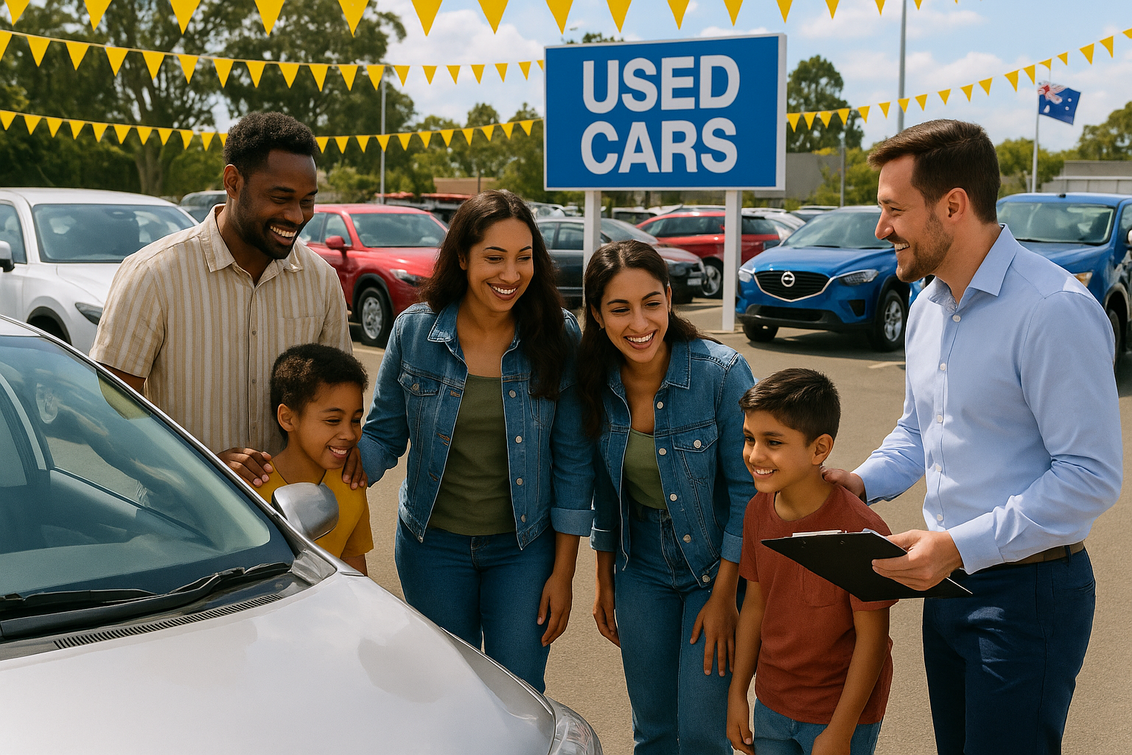
Used Cars Revesby
Estimated reading time: 11 minutes
Key takeaways
- Shortlist reliable models and set a realistic total budget (including on-road and running costs).
- Always run a PPSR check, verify VIN/engine numbers, and review full service history.
- Inspect in daylight, take a thorough test drive, and book a pre-purchase inspection.
- Dealers offer warranties and convenience; private sales are cheaper but carry more risk.
- Know your ACL rights in NSW and follow safe, documented payment and transfer steps.
- Negotiate calmly using market research and inspection findings.
Table of contents
- Used Cars Revesby
- Why buy a used car (and what holds value in Australia)
- Where to buy used cars in NSW (and how to choose)
- A step-by-step used car checklist (save this before you inspect)
- Dealer vs private: which is better for you?
- Your rights in NSW under Australian Consumer Law
- Model ideas for Revesby buyers
- Costs to plan for (beyond the sticker price)
- How to spot a great listing (and avoid dodgy ads)
- Auctions: when do they make sense?
- After you buy: paperwork, maintenance and next steps
- Common pitfalls to avoid
- How GoCarzSales makes it easier for Revesby buyers
- Conclusion
- Call to action
- Important Disclaimer
- FAQs
Why buy a used car (and what holds value in Australia)
Buying used can save you money while still getting a safe, reliable ride. Popular models with a strong record for durability and resale include the Toyota Corolla, Toyota Camry, Mazda 3, Mazda CX-5 and Ford Ranger. These are known for sound engineering and fuel efficiency, and they’re easy to resell when you’re ready to upgrade.
Key tip: Focus on brands with low running costs and a reputation for reliability. Toyota, Mazda, Honda and Nissan are safe picks for many buyers.
Where to buy used cars in NSW (and how to choose)
There are a few common places to shop, each with trade-offs.
- Dealerships: Dealers often include statutory warranties, accept trade-ins, and handle the paperwork for you; the process is safer but you may pay a little more. See the NSW Government’s guidance on buying from dealers for details on protections and how the process works: NSW Government — Buying a used vehicle.
- Private sellers: Usually cheaper, but fewer protections. Be careful, meet in safe places, and verify the car and seller details. The NSW Government recommends using trusted platforms and checking documents to reduce the risk of scams: NSW Government — Buying a used vehicle.
- Online platforms: Autotrader, CarSales.com, Gumtree, Facebook Marketplace and Drive offer a wide selection and handy filters. But scams are more common when you can’t verify the seller or vehicle, so prefer trusted sites and follow NSW advice on safe buying online. See: NSW Government — Buying a used vehicle.
- Auctions: Manheim and Pickles can deliver bargains, but you may not get a warranty and there’s more risk if you can’t inspect the car well.
- Demo cars: Nearly new dealer demos can be good value and are usually treated as used. Learn how NSW treats demos and your rights: NSW Government — Buying a used vehicle.
If you prefer convenience, warranties, and an easier handover, a dealer is often the best fit. If price is your top priority and you have time for checks, a private seller can work—just follow the checklist below.
A step-by-step used car checklist (save this before you inspect)
Use this plan to compare any used car, van, ute, 4×4 or minibus. It works whether you buy from a dealer, online, or privately.
1) Research and set a real budget
- Decide on size, body type, fuel type, and must-have features (safety tech, towing, cargo space).
- Shortlist 3–5 models to compare on price, running costs, and resale value.
- Use recent sales to sense-check your budget. Leave room for insurance, servicing, tyres, and rego.
Why it matters: A clear shortlist and budget stop impulse buys and help you spot fair pricing.
2) Verify the vehicle and the seller
- Get the VIN and run a PPSR check to confirm there’s no finance owing, the car isn’t stolen, and the odometer is consistent.
- Ask for service history and recent repair receipts. Look for regular services at sensible kilometre intervals.
- Confirm the seller’s identity and address match the documents (and rego if still current).
Why it matters: Skipping PPSR and seller checks is the fastest way to inherit someone else’s debt or a stolen vehicle.
3) Inspect and test drive in daylight
- Outside: Check for paint differences, panel gaps, rust, hail dents, and uneven tyre wear.
- Inside: Look for seat wear, damp smells, warning lights, working electrics, and an intact spare/jack.
- Engine bay: Check fluid levels, leaks, battery age, belts/hoses and signs of accident repairs.
- Test drive: Start from cold if possible. Listen for knocks, feel for vibrations, test brakes, steering, and transmission shifts, and note any smoke or misfires.
Why it matters: Many faults are obvious when you slow down and look closely in good light.
4) Book a professional inspection (especially for private sales)
- Use an independent mechanic for a pre-purchase inspection. They can spot hidden problems and give repair estimates.
Why it matters: A $200–$300 inspection can save thousands and gives you bargaining power.
5) Check the paperwork (line by line)
- Confirm VIN and engine numbers match the car and the documents.
- Ask for service records, any warranty paperwork, and, if required, a valid roadworthy/safety certificate.
- For private sales, make sure the contract or receipt includes both names, addresses, DOB, VIN, rego, engine number, price, date, and signatures.
Why it matters: Clean papers and matching numbers protect you if issues arise later.
6) Negotiate and pay safely
- Use your inspection report and market research to set a fair offer.
- Be ready to walk away if the seller won’t fix major items or adjust price.
- Pay securely. Avoid large cash deals or wire transfers to unknown parties.
Why it matters: A calm, fact-based negotiation leads to better outcomes and fewer regrets.
For a handy version you can use on your phone at the yard, save this and build your own vehicle inspection checklist.
Dealer vs private: which is better for you?
Here’s a quick way to decide based on your risk comfort.
- Price: Private sales are usually cheaper; dealers tend to be higher but offer more protections.
- Warranty and protections: Dealers must meet Australian Consumer Law (ACL) and provide statutory warranties in many cases; private sales offer far fewer protections. Learn the NSW specifics: NSW Government — Buying a used vehicle.
- Convenience: Dealers can arrange trade-ins and handle paperwork in one visit; private deals require you to do more legwork. The NSW Government explains how to manage paperwork safely: NSW Government — Buying a used vehicle.
If you prefer peace of mind and time saved, a dealer is often the better path. If the lowest price matters most and you’re comfortable doing checks yourself, private can work—just be thorough.
Your rights in NSW under Australian Consumer Law
When you buy from a dealer, the car must be of acceptable quality, fit for purpose, and match its description. If there’s a major fault, you may be entitled to a repair, replacement, or refund. See how this applies in NSW and what to do if things go wrong: NSW Government — Buying a used vehicle.
Private sales give you fewer protections, so careful checks and a pre-purchase inspection are even more important. For safe buying tips and how to avoid scams in NSW, start here: NSW Government — Buying a used vehicle.
Model ideas for Revesby buyers
If you’re weighing options for daily drives, family trips, or work:
- Small cars: Toyota Corolla and Mazda 3 — affordable to run, easy to park, and strong resale.
- Midsize sedans: Toyota Camry — comfortable, efficient, and known for long life.
- SUVs: Mazda CX-5 — practical for families with a good mix of comfort and space.
- Utes: Ford Ranger — popular with tradies for towing and payload, with strong demand in the used market.
These names are popular because they tend to be reliable and hold value. If you need a workhorse, also look at used utes, used vans and used trucks for sale.
Costs to plan for (beyond the sticker price)
Set a total budget that includes:
- Insurance, routine servicing, brake pads and tyres.
- Fuel for your weekly driving.
- Any immediate repairs found in the inspection.
- Registration or transfer costs if due soon.
Doing this upfront keeps your choice realistic and avoids surprises at handover.
How to spot a great listing (and avoid dodgy ads)
When browsing Carsales, Gumtree, Facebook Marketplace, or Drive:
- Good ads have 15+ clear photos in daylight, a full VIN, and a full service history.
- Look for honest detail about recent work and any marks or faults.
- Be careful with vague descriptions, few photos, no VIN, or pressure to send a deposit fast.
The NSW Government recommends sticking to trusted platforms, verifying the VIN, and meeting in safe public places for viewings and payment: NSW Government — Buying a used vehicle. This advice is especially important for private deals and online listings.
Auctions: when do they make sense?
Auctions like Manheim or Pickles can deliver sharp prices, and you’ll see a wide range in one place. But they’re higher risk. You may get limited or no warranty, and you have less time to test and inspect. If you’re new to auctions, consider bringing a mechanic and set a firm max bid.
After you buy: paperwork, maintenance and next steps
Once you’ve chosen your car:
- Complete the sale paperwork with full buyer/seller details: names, addresses, date of birth, VIN, rego, engine number, price, date, and signatures.
- Keep the service book up to date. Save all receipts for work done. It helps with resale and catches small issues before they grow.
- Follow NSW steps for safe transfers and registering vehicles to avoid scams or fines: NSW Government — Buying a used vehicle.
Common pitfalls to avoid
- Skipping the PPSR check: You could end up with a car that has finance owing or is listed as stolen.
- Not getting a pre-purchase inspection: Hidden faults can cost thousands to repair.
- Rushing the test drive: Short or night-time drives hide warning signs.
- Paying in cash or via risky transfers: Use secure payment methods and get a proper receipt.
- Ignoring mismatched VIN/engine numbers: This is a red flag—walk away if the paperwork and plates don’t match.
How GoCarzSales makes it easier for Revesby buyers
We’re local used cars near me guide and we keep the process clear and simple:
- Wide choice of inspected, second-hand cars, utes, vans, minibuses and light trucks.
- Straightforward trade-ins to reduce the drive-away changeover price trade-in valuation.
- Clear, friendly help with financing if you need it finance options.
- Paperwork support so the handover is smooth and stress-free.
Want to see and feel the car before deciding? Book a test drive at a time that suits you. We’re here to help you find the right fit for your budget and your life.
Conclusion
Buying a used car in Revesby can be simple when you follow a plan. Shortlist good models, check the VIN and history, inspect in daylight, get a pro inspection, and understand your rights. Dealers provide extra safety and convenience, while private sellers can be cheaper if you do more checks. For NSW-specific advice on safe buying, warranties and paperwork, start here: NSW Government — Buying a used vehicle.
Call to action
Ready to find your next car, ute, van, minibus or light truck? Explore our range, book a test drive, or get a quick trade-in valuation. If you’d like to discuss budget-friendly finance options, our team is happy to help.
Important Disclaimer
This guide is general information only. It is not financial, legal or mechanical advice. Always verify details yourself (for example, PPSR and VIN checks, roadworthy, warranty terms, towing and payload limits) and consult qualified professionals or the relevant state authority in NSW before you buy.
FAQs
Is it safer to buy from a dealer or a private seller?
Dealers are usually safer because of statutory warranties and full ACL protections; private sellers tend to be cheaper but offer fewer protections. NSW explains the differences and your rights here: NSW Government — Buying a used vehicle.
What checks should I do before I pay?
Run a PPSR check using the VIN, review the service history, match VIN/engine numbers to all papers, inspect in daylight, do a long test drive, and get a pre-purchase inspection. For NSW transfer steps, see: NSW Government — Buying a used vehicle.
Can I get a refund if the car has a major fault?
If you bought from a dealer and the car has a major fault, ACL remedies can include repair, replacement or refund. Learn how this works in NSW: NSW Government — Buying a used vehicle.
Are auctions a good idea for first-time buyers?
They can be, but risk is higher because warranties may be limited and time to inspect is short. Set a firm budget, research the model, and bring a mechanic if possible.
Which models hold value well in Australia?
Toyota Corolla, Toyota Camry, Mazda 3, Mazda CX-5, and Ford Ranger are strong, reliable choices with good resale demand.