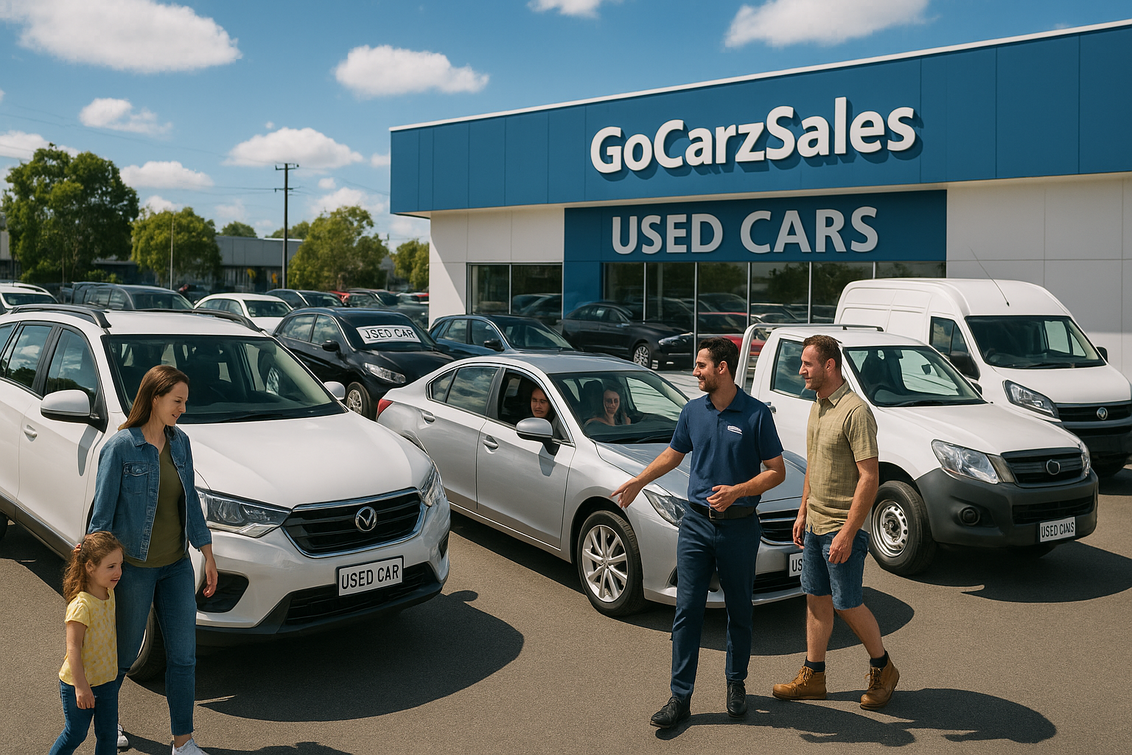
Used Cars Near Me
Estimated reading time: 9 minutes
Key takeaways
- Set a clear budget that includes on‑road costs, insurance, and a buffer for immediate maintenance.
- Shortlist reliable models and compare specs, safety, and ownership costs before you shop.
- Choose a buying path (dealer, private, marketplace, auction) that matches your risk comfort and timeline.
- Always inspect in daylight, test drive thoroughly, and run a PPSR check before paying.
- Complete the required paperwork, follow state rules, and use secure, documented payment methods.
Table of contents
- Used Cars Near Me
- Key takeaways
- Start with your needs and a clear budget
- Research models and market value
- Where to buy: dealer, private seller, online marketplace, or auction?
- Inspect before you buy: simple, thorough checks
- Paperwork, roadworthy, and transferring rego
- Negotiate smart and pay safely
- Extra buyer tips to help you win
- Dealer vs private: which suits you?
- How GoCarzSales helps with “used cars near me”
- Conclusion
- Call to Action
- Important Disclaimer
- Quick FAQs about buying used cars near you
Start with your needs and a clear budget
Searching “used cars near me” is a smart way to find a great deal close to home. In this guide, we’ll show you how to compare options, inspect a vehicle, sort the paperwork, and buy with confidence when you’re shopping used cars near you. Explore our step‑by‑step overview in this guide.
Whether you’re after a small city runabout, a family SUV, a work‑ready ute, a people mover, or a trusty second‑hand truck, this plan will help you save time, avoid risk, and get the right car at the right price.
Before you scroll through hundreds of listings, nail down what you need and what you can spend. Think about how you’ll use the car: daily commuting, weekend trips, towing, carrying tools, or school runs. Pick a body type that fits your life—small hatch, mid‑size SUV, ute, van, or people mover—and note any must‑have features like Apple CarPlay/Android Auto, reversing camera, or advanced safety tech like AEB.
Set a total budget, not just the purchase price. Include stamp duty, CTP, rego transfer, insurance, and any immediate servicing or repairs you may need after purchase. Leave a buffer so you’re not stretched if tyres, brakes, or a battery need attention soon.
Tip: Write your “non‑negotiables” and “nice‑to‑haves” on a single page. It will help you stay focused when emotions run high.
Research models and market value
Look for cars known for reliability, safety, fuel efficiency, and low running costs. Shortlisting a few proven models makes comparing prices and specs much easier. Popular, dependable choices many Aussie buyers consider include the Toyota Corolla, Mazda 3, Mazda CX‑5, and Ford Ranger.
- Read expert reviews and owner feedback to learn common pros, cons, and service costs. Use trusted comparison sites like CarsGuide to browse reviews, specs, and pricing trends, and see our breakdown in this guide.
- Check the total cost of ownership. Beyond fuel, think servicing costs, insurance premiums, tyre prices, and timing belt or transmission service intervals.
- If you’re unsure, start with a short list of 2–3 models that fit your budget and needs. Then compare features like safety ratings, boot space, towing capacity, and tech.
If you only need a vehicle for a few weeks while you shop, a short‑term van or ute rental from GoWithTheGecko can bridge the gap while you find the right used car. Their Gecko Live booking function is part of the rental experience, not a vehicle sales platform: see Gecko Live.
Where to buy: dealer, private seller, online marketplace, or auction?
Each path has pros and cons. Choose the one that suits your risk comfort, timeline, and budget.
Buying from a licensed dealer
- Pros:
- Statutory warranty may apply (depending on age/kilometres). Dealers also guarantee clear title and often offer a cooling‑off period.
- Easier paperwork. Trade‑ins and finance options are usually available.
- Cons:
- Prices can be higher than private sales, as dealers recondition cars and provide consumer protections.
If you prefer peace of mind and a smoother process, dealers are a strong choice. They can also discuss options for your trade‑in and help with finance options and trade-in valuation.
Buying from a private seller
For more detail, see our overview of private used car sales.
- Pros:
- Usually cheaper, with more room to negotiate.
- Cons:
- No statutory warranty, and you must manage all checks and paperwork yourself. The risk sits with you.
When buying private, extra diligence is essential: get a pre‑purchase inspection, confirm the service history, and run all checks before you pay.
Shopping on online marketplaces
Sites like CarsGuide help you filter by model, price, and location, so you can compare multiple cars at once and move quickly when a good listing pops up. You’ll also see dealer and private options side by side, which makes value comparisons easier. For more tips, read our Facebook Marketplace used car guide.
Other marketplaces (like Carsales and Gumtree) are useful too. For platform‑specific advice, see our Carsales buying guide. Just remember: no matter where you find the car, do the same thorough checks.
Considering auctions
Auctions can deliver sharp prices, but cars are usually sold “as‑is” with limited comeback, so the risk is higher. A pre‑auction inspection is critical if inspections are allowed.
Auctions suit confident buyers who understand condition reports and can budget for repairs. If you’re new to used cars, a dealer or private sale with a full inspection may be safer.
Inspect before you buy: simple, thorough checks
Never buy a car without seeing it in person and going for a proper test drive. Inspect the car in daylight and dry weather if possible. If you’re not a mechanic, pay for a mobile or workshop pre‑purchase inspection—they’re worth it.
Key checks at a glance:
- Exterior and body: look for mismatched paint, panel gaps, rust, hail damage, and signs of accident repairs.
- Tyres and wheels: even tread wear, no cracks or bubbles. Uneven wear can point to suspension or alignment issues.
- Engine bay: check for leaks, dirty coolant, cracked belts, unusual smells, or noisy idling.
- Test drive: cold start, smooth acceleration, no hesitations, straight braking, and quiet suspension. Test all gears, including reverse, and try highway speeds.
- Dashboard and electrics: ensure no warning lights stay on. Test A/C, infotainment, windows, mirrors, central locking, and cameras/sensors.
- Logbooks and receipts: look for regular, on‑time servicing with matching kilometres. Spot‑check that the VIN matches across the car, logbook, and rego papers.
- Odometer: make sure kilometres match the service history, and be wary of wear levels (steering wheel, pedals, seat) that don’t match low kilometres.
If you want a ready‑to‑use list, ask us for a simple buyer’s inspection sheet to take to viewings. vehicle inspection checklist
Don’t skip the PPSR report
Order a PPSR report before you commit. It confirms the car isn’t under finance, not reported stolen, and not a write‑off. You’ll need the VIN to run the check, and the small fee can save you from a very expensive mistake.
Paperwork, roadworthy, and transferring rego
When you’ve found the right car at the right price, make sure the paperwork is clean and complete. In most states and territories, you’ll need:
- Transfer of ownership/registration forms signed by both parties
- A current roadworthy certificate (RWC) to transfer rego, depending on your state rules
- A Notice of Disposal (for the seller) and proof of purchase/receipt for the buyer
If you’re buying or transferring in NSW, the official Service NSW guide walks you through the steps, forms, and deadlines, and explains safety inspection requirements and what to check when you test drive. See the detailed instructions at the Service NSW website: NSW used vehicle buying guide. For local insights, see our Sydney and Newcastle guides.
Tip: Keep copies of everything—contract, receipt, RWC, PPSR report, service records, and ID—so you have a complete paper trail.
Negotiate smart and pay safely
Price negotiation is normal. If the seller won’t move much on price, ask for value adds like fresh servicing, new tyres, or longer rego. Dealers may prefer offering extras or a longer registration period over a straight discount.
For payment:
- Avoid large amounts of cash if you can. Bank transfer is safer and leaves a record.
- Never pay for a car you haven’t seen.
- Match the seller’s ID to the registration papers.
- Only release funds once you’re satisfied with the inspection and PPSR report.
Extra buyer tips to help you win
- Market snapshot: used car prices have started to settle after recent highs, but the most desirable models still hold strong value.
- Certified pre‑owned: some dealers offer CPO vehicles. They usually cost more but come with extra checks and warranty for added peace of mind.
- What to avoid:
- Don’t buy a car without a physical inspection and a proper test drive.
- Beware of listings that seem too cheap, sellers who push for fast payment, or those who refuse inspections or a PPSR check.
If you need transport during your search, short‑term van or ute rentals from GoWithTheGecko can keep you moving until you find the right car.
Dealer vs private: which suits you?
- Choose a dealer if you value:
- Statutory protections (where eligible), clear title guarantees, and an easier process with paperwork support.
- Trade‑in convenience and finance options through one channel.
- Choose a private seller if you want:
- A lower purchase price and more room to negotiate, and you’re comfortable managing inspections, PPSR, and paperwork yourself.
There’s no single “best” path—just the best fit for your budget, risk comfort, and timeline.
How GoCarzSales helps with “used cars near me”
We’re a local team focused on second‑hand trucks, vans, utes, minibuses, and cars. If you’re searching “used cars near me,” we can help you compare options side by side and understand the true total cost of ownership.
What we can help with:
- Matching the right vehicle to your needs—workhorse utes and vans, family SUVs, city cars, and more. used utes used vans used trucks for sale
- Clear, plain‑English explanations of features and service schedules.
- Support with trade‑ins and finance, and help preparing a fair, transparent deal. trade-in valuation finance options
- Guidance on pre‑purchase inspections and vehicle history checks (including PPSR), so you can buy with confidence.
- Practical tips and market updates on the GoCarzSales blog: GoCarzSales.com.au Blog
If you want the simplest path to a great used car near you, talk to our team. We’re here to help you make a smart, safe choice.
Conclusion
Finding the right “used cars near me” deal is easier when you follow a clear process. Set your budget, choose a shortlist of proven models, compare the market, and inspect every car carefully. Check the PPSR, sort the paperwork, and negotiate with a cool head. With these steps, you can secure a reliable used car that fits your life and budget.
Call to Action
Ready to compare quality used trucks, vans, utes, minibuses and cars near you? Explore our range, book a test drive, or chat to us about finance and trade‑ins today. The GoCarzSales team is here to help you buy with confidence.
Important Disclaimer
This article is general information only. It is not financial, legal, or mechanical advice. Always verify details for your specific vehicle, including roadworthy requirements, PPSR results, warranties, towing and payload limits, and transfer rules. Consult qualified professionals and your relevant state or territory authority (for NSW buyers, see the official Service NSW guide) before you buy.
Quick FAQs about buying used cars near you
Where’s the best place to buy a used car near me?
It depends. Dealers offer statutory protections and simpler paperwork but can be pricier. Private sellers are often cheaper with more room to negotiate, but you take on the risk and all checks yourself. Online marketplaces like CarsGuide help you compare both in one place.
How much should I budget for on‑road costs?
Add stamp duty, CTP, rego transfer, insurance, and any immediate service or repairs to your purchase price. Check your state or territory for current fees and rates.
Do I need a roadworthy to transfer rego?
In most states, yes—you’ll need a current roadworthy certificate to transfer registration. For NSW, see the official steps, forms, and inspection rules at Service NSW.
How do I check if there’s finance owing or if the car’s a write‑off?
Run a PPSR check using the VIN. The PPSR confirms if the vehicle is under finance, stolen, or written off.
Can I rent a vehicle while I search?
Yes. Short‑term van and ute rentals from GoWithTheGecko can keep you moving while you find the right used car.