Used Car Sales Sydney
Estimated reading time: 12 minutes
Key takeaways
- Set a firm budget, shortlist proven models, and compare market prices before you shop.
- Choose the right buying channel: dealers offer protections; private sales can be cheaper but riskier.
- Always run a PPSR check and confirm the VIN matches registration and seller details.
- Inspect thoroughly, test‑drive at multiple speeds, and get an independent mechanical inspection.
- Use trusted platforms and understand your NSW rights and warranties when buying from dealers.
- Negotiate with inspection results and comparable listings; confirm all inclusions and any cooling‑off rules.
Table of contents
- Used Car Sales Sydney
- Key takeaways
- How to plan your used car search in Sydney
- Choose the right model for Sydney life
- Where to buy a used car in Sydney
- Budget and value: set limits, then shop with confidence
- Pre-purchase checks every Sydney buyer should do
- Negotiating and finalising the sale
- Pros and cons at a glance
- Extra tips for Sydney driving and ownership
- Popular used picks for Sydney buyers
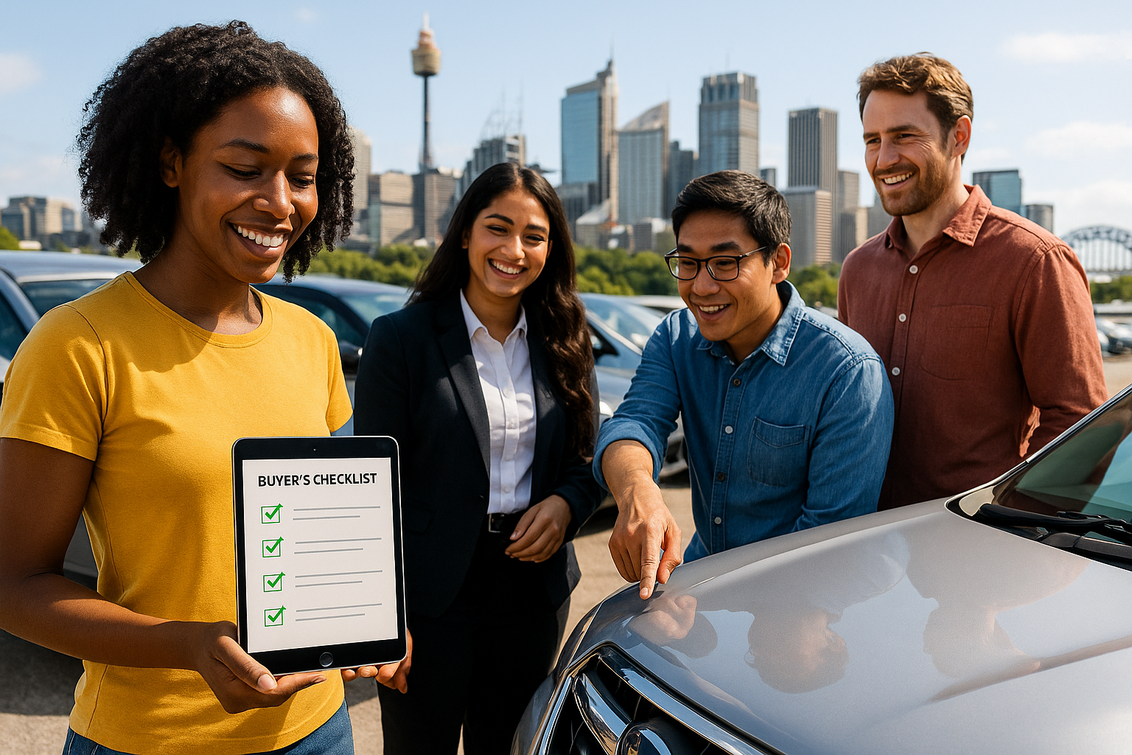
- Simple step-by-step checklist
- Conclusion
- Important Disclaimer
- FAQs
Looking for Used Car Sales in Sydney? This clear, step‑by‑step guide shows you how to pick the right car, where to buy, how to check a vehicle, and how to close the deal with confidence. We cover NSW specifics, buyer protections, and practical tips to help you avoid surprises and get great value.
How to plan your used car search in Sydney
Buying a used car in Australia works best when you follow a simple plan: research models, choose a sales channel (dealer, private seller, online, or auction), inspect and test‑drive the vehicle, and verify its history before you pay. This helps you find a reliable car and avoid scams; for extra tips, see this used car buying guide. NSW advice also stresses using trusted platforms and understanding your rights when buying a used vehicle, including “demo” cars that are classed as used and often cost less than new cars (NSW Government – Buying a used vehicle).
Key early steps include setting a budget, shortlisting proven models, test‑driving several options, and negotiating using fair market values from respected pricing guides. Many buyers check guide prices by make, model, year, and condition to avoid overpaying; a quick overview is available in this price guide explainer.
Choose the right model for Sydney life
Start with your needs. Think about your daily commute, family size, fuel use, parking, and any weekend trips or off‑road driving. This simple needs check makes it easy to narrow your shortlist.
- Toyota Corolla, Mazda 3 (great for city driving and commuting)
- Ford Ranger (popular for tradies and towing)
- Brands with a strong rep: Toyota, Nissan, Mazda, Honda
Tip: If you need load space for work or recreation, consider a ute or van. For city parking and fuel savings, look for a small hatch or compact SUV. If you’re unsure, test‑drive a few shapes to see what feels comfortable.
Where to buy a used car in Sydney
There’s no single “best” place to buy. Each channel has trade‑offs. Here’s what to expect.
Dealerships
- What you get: warranties, consumer protections, easier paperwork, trade‑ins, and often in‑house finance options. NSW buyers have specific rights and statutory guarantees when buying from licensed dealers (NSW Government – Buying a used vehicle).
- What to watch: prices can be higher than private sales.
Demo cars (ex‑dealer display or test‑drive vehicles) are considered used and can be cheaper than new, often with very low kilometres (NSW Government – Buying a used vehicle).
Private sellers
- What you get: usually lower prices.
- What to watch: most private sales are “as‑is,” with no guarantees, and higher scam risk. Stick to verified listings and do thorough checks. NSW guidance also urges caution with unverified online sellers (NSW Government – Buying a used vehicle).
Online marketplaces
Carsales, Gumtree, Drive, and Facebook Marketplace offer a wide selection and good filters to search by model, price, and location. Use trusted sites and be careful with unverified sellers. NSW advice again emphasises trusted platforms for safety (NSW Government – Buying a used vehicle).
Auctions
Public auctions (for example, Manheim or Pickles) can offer bargains but come with higher risks, limited inspections, and often no warranties. If you bid, set a hard limit and factor in fees and any repairs.
Budget and value: set limits, then shop with confidence
- Set a clear budget. Consider vehicle size, must‑have features, likely resale value, and any finance costs.
- Research fair prices by make, model, year, kilometres, and condition. Use well‑known price guides to avoid paying above market.
- Shortlist cars that fit your needs and budget. Then compare running costs (fuel, tyres, servicing) and insurance quotes.
Tip: Keep a small buffer for fresh tyres, a service, or minor fixes after purchase.
Pre-purchase checks every Sydney buyer should do
A careful check‑up now can save big money later. Use this simple list.
1) Vehicle history and PPSR
- Do a PPSR check with the VIN to confirm there’s no finance owing, write‑off record, or theft flag.
- Confirm the VIN matches rego and seller details. Any mismatch is a red flag.
2) Visual inspection
- Exterior: panels, paint, dents, rust, overspray (may hint at repairs), windscreen, tyres (even wear), lights.
- Underbody and engine bay: look for fresh leaks, burnt oil smell, damaged mounts, or rough wiring.
- Interior: seats, belts, switches, air‑con, infotainment, warning lights, odometer alignment with condition.
3) Test drive
- Start from cold if possible. Listen for knocks, rattles, or belt squeal.
- Check steering feel (no pulling), braking (no vibration), gearbox shifts, engine power, idle smoothness, and exhaust smoke.
- Try at parking speed, city speed, and on a faster road if safe.
4) Independent mechanical inspection
A professional inspection is vital—especially for private sales—to uncover hidden issues before you buy.
Many buyers use an accredited inspection centre or a mobile mechanic.
5) Documents to sight
- Service history logbook and receipts
- Roadworthy certificate (where applicable), registration details
- Any warranty paperwork (dealer or third‑party)
NSW consumers have rights if problems arise after purchase from a dealer. Check the NSW guidance on protections and what to do if something goes wrong (NSW Government – Buying a used vehicle).
6) Seller verification and safe payment
- Verify seller identity, read reviews or profile history (for platforms), ask for VIN photos and clear car photos, and check odometer readings.
- Meet in a public place if buying privately, and use secure payment methods.
RACV also recommends history reports and inspections at accredited centres for extra peace of mind.
Negotiating and finalising the sale
- Use your research (guide prices and comparable listings) to set a fair offer. Bring your inspection results to justify any discount for worn tyres, overdue servicing, or minor faults.
- With dealers, ask what’s included (registration, stamp duty, a fresh service, or added accessories). Dealers often package extras like registration or servicing into the deal.
- Understand cooling‑off rules. Private sales may not have a cooling‑off period in some states—check your local laws before handing over money. If you’re buying in NSW, review the NSW guidance for your rights and obligations (NSW Government – Buying a used vehicle).
Pros and cons at a glance
- Dealerships
- Pros: warranties, consumer protections, trade‑ins, easier paperwork; NSW statutory protections apply when buying from licensed dealers (NSW Government – Buying a used vehicle).
- Cons: higher prices.
- Private sellers
- Pros: often cheaper.
- Cons: “as‑is,” no guarantees, higher scam risk.
- Online platforms
- Pros: big selection, search filters, quick comparisons.
- Cons: verify the seller to avoid scams; prefer trusted platforms. NSW advises caution with unverified sellers (NSW Government – Buying a used vehicle).
- Auctions
- Pros: potential bargains.
- Cons: higher risk, limited inspection, usually no warranty.
Extra tips for Sydney driving and ownership
- City use: Small hatches and compact SUVs are easy to park and sip less fuel. If you mostly do short trips, favour reliable petrol engines with solid service history.
- Work and towing: If you carry gear or tow, check the vehicle’s rated towing and payload limits in the handbook. Make sure your licence and towbar are suitable. Budget for higher fuel and tyre costs.
- Ongoing costs: Plan for rego, insurance, servicing, and tyres. Keep a service log and fix small issues early.
Popular used picks for Sydney buyers
These models often balance value, reliability, and low running costs:
- Toyota Corolla and Mazda 3 for city driving and commuting
- Ford Ranger for tradies, towing, and weekend trips
- Strong‑reputation brands: Toyota, Nissan, Mazda, Honda
If you need space for tools or stock, consider a ute or van. Explore options like used utes and used vans. For payload or towing needs, ask for the vehicle’s compliance plate details and check the handbook.
Simple step-by-step checklist
1) Set budget and shortlist
- Set a firm budget including on‑road costs.
- List 3–5 models that meet your needs (size, fuel, parking, towing).
- Research guide prices to understand fair value.
2) Search and shortlist cars
- Choose channel: dealer (more protections), private (lower price), online, or auction (NSW Government guidance).
- Prefer trusted platforms and verified sellers in NSW.
- Save ads with VIN, rego, and full photos.
3) Inspect and test‑drive
- Visual checks: panels, paint, tyres, lights, underbody, leaks, interior wear.
- Test‑drive at different speeds; listen and feel for issues.
- Review documents: service history, rego, roadworthy, any warranty.
- Order a PPSR check and a professional inspection (especially for private sales).
4) Negotiate and buy
- Use your inspection results to adjust the price.
- Confirm what’s included (rego, stamp duty, service, accessories).
- Understand cooling‑off rules before you pay and your NSW rights if buying from a dealer (NSW Government – Buying a used vehicle).
5) Take delivery
- Ensure all keys and books are supplied.
- Confirm change of ownership and insurance cover start date.
- Book a baseline service and keep all receipts.
For a printable list, see vehicle inspection checklist.
Conclusion
Used Car Sales in Sydney can be straightforward when you follow a plan: set a budget, shortlist reliable models, choose the right buying channel, and complete proper checks before you pay. NSW buyers benefit from clear protections when buying through dealers, and everyone can shop smarter with PPSR checks, inspections, and fair‑price research.
Ready to find your next car, ute, van, or workhorse? Explore our range, book a test drive, or ask about trade‑in and finance with GoCarzSales. We’re here to help you compare options and buy with confidence.
- Browse stock: used trucks for sale, used utes, used vans
- Ask about finance options and trade-in valuation
Important Disclaimer
This article is general information only. It is not financial, legal, or mechanical advice. Always verify vehicle details yourself, including service history, PPSR, warranty, registration, and any towing or payload limits. Consider a professional inspection and consult qualified advisors or relevant state authorities (e.g., NSW Government) before purchasing.
FAQs
Are demo cars considered used in NSW?
Yes. Demo cars are sold as used and can be cheaper than new, often with low kilometres (NSW Government – Buying a used vehicle).
What checks should I do before buying a used car?
Run a PPSR check using the VIN to spot finance owing, write‑offs, or theft; review service history; inspect and test‑drive; and get a professional mechanical inspection—especially for private sales.
How do I avoid scams with private sellers?
Verify the seller, ask for VIN and detailed photos, check odometer readings, meet in public places, and use secure payment methods. Prefer trusted platforms and follow NSW guidance for safer buying (NSW Government – Buying a used vehicle).
How do I know if the price is fair?
Compare guide prices by make, model, year, condition, and kilometres, then use your inspection results and comparable listings to negotiate.
What paperwork do I need to see?
Service history, registration details, roadworthy certificate (where applicable), and any warranty documents. Always ensure the VIN matches rego and seller details.