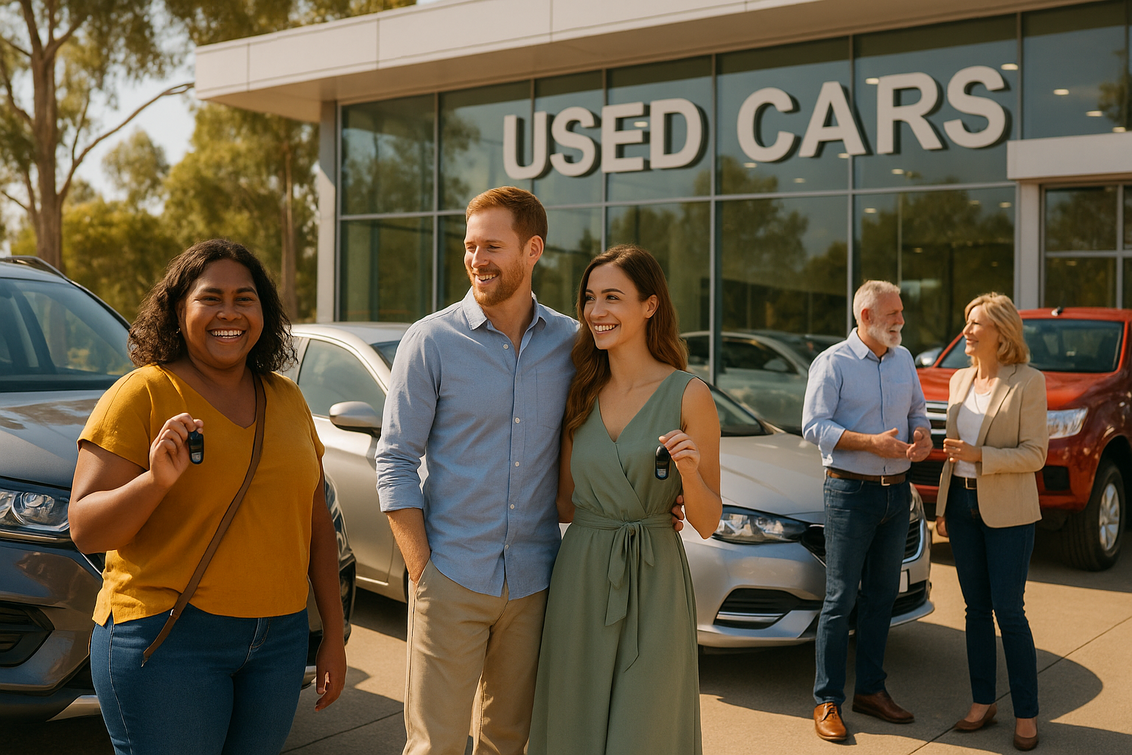
Used Car Sales in Brisbane
Estimated reading time: 10 minutes
Key takeaways
-
– Set a clear budget that includes fuel, servicing, insurance, tyres, and rego.
– Shortlist reliable models and compare prices across trusted platforms and dealers.
– Inspect in daylight, verify VIN and service history, and get a pre‑purchase inspection.
– Run a VIN history check for write‑off, theft, and finance owing before paying.
– Prefer licensed dealers or trusted platforms for better protections and less risk.
– Know your rights under Australian Consumer Law when buying from a dealer.
Table of contents
- Used Car Sales in Brisbane
- Why buy used in Brisbane?
- Step 1: Set your budget and research smart
- Step 2: Where to buy—compare your options
- Step 3: Inspect and verify the vehicle
- Step 4: Negotiate and complete the purchase
- Buyer rights and protections
- Post‑purchase tips: keep costs predictable
- Practical checklist for Brisbane buyers
- Choosing the right type of vehicle
- Common pitfalls to avoid
- FAQs
- Conclusion
- Call to Action
- Important Disclaimer
Why buy used in Brisbane?
Thinking about used car sales in Brisbane? You’re in the right place. This guide explains how to choose, check, and buy a second‑hand vehicle with confidence, whether you’re after a small car, a family SUV, a ute, a van, or a workhorse truck.
Buying used can save money while still getting a reliable vehicle. Popular choices like the Toyota Corolla, Toyota Camry, Mazda 3, Mazda CX‑5, and Ford Ranger are known for durability, fuel efficiency, and strong resale value. Follow a simple, step‑by‑step process—set a budget, research models, inspect carefully, verify history, and understand your rights—to reduce risk and make a smart buy. Government guidance also recommends sticking to trusted platforms and being alert to scams, with clear notes that demo vehicles are classed as “used” and that dealers have legal duties to consumers under Australian Consumer Law (see the NSW Government’s guidance on buying a used vehicle, which is a useful example even if you’re in Queensland).
- You can get more car for your budget, including higher trim levels or newer tech, compared with buying new.
- Many used models are proven in the real world, with known strengths, servicing costs, and common issues.
- Buying from a licensed dealer comes with consumer protections and support with paperwork (see the NSW Government’s guidance on buying a used vehicle).
Every suburb is different. Some buyers need a city hatch for daily commuting. Others need a ute or van for work, towing, or weekend trips. The key is to match your budget and needs to a short list of models, then do careful checks.
Step 1: Set your budget and research smart
Start with a clear budget. Look beyond the drive‑away price and include ongoing costs like fuel, servicing, tyres, insurance, and rego. If you’re financing, consider repayments, interest, and how long you plan to keep the car.
Shortlist three to five models that suit your needs. Prioritise reliability to lower maintenance costs. Brands like Toyota, Mazda, Honda, and Nissan are commonly praised for fewer surprises as they age. If you want ideas, many buyers look at the Toyota Corolla, Toyota Camry, Mazda 3, Mazda CX‑5, and Ford Ranger for value and dependability.
Use filters for make, model, price, body type, fuel type, and location to narrow your search. Compare prices of similar vehicles to learn the market and spot good deals. Prices move with demand and supply, so research is your friend.
Step 2: Where to buy—compare your options
Different buying channels offer different protections, prices, and convenience. Here’s what to expect.
Licensed dealers
- Pros: Statutory protections apply under consumer law, plus trade‑in help, paperwork handled, test drives, and extras like extended rego. State guidance highlights the benefits of using trusted, licensed sellers and platforms (see the NSW Government’s guidance on buying a used vehicle).
- Cons: You may pay more than a private sale.
Tip: If you want less hassle and more protection, a dealer is often the best path. Dealers must ensure vehicles are of acceptable quality, match their description, and are fit for purpose under consumer law (see the NSW Government’s guidance on buying a used vehicle).
Private sellers
- Pros: Usually cheaper than dealers.
- Cons: Fewer protections, and higher scam risk. Always verify the seller’s name, address, and date of birth, and make sure these match the paperwork. Government advice stresses using trusted platforms and avoiding unverified sellers (see the NSW Government’s guidance on buying a used vehicle).
Online marketplaces
- Pros: Big range, strong search filters, and often reviews or ratings.
- Cons: Scams exist. Ask for the VIN, clear photos, rego, and odometer details before meeting. Use platforms that verify listings and sellers (see the NSW Government’s guidance on buying a used vehicle).
Auctions and demos
- Pros: Can be bargains. Showroom demos are often cheaper than brand‑new cars.
- Cons: Higher risk and often no warranty. Know exactly what you’re bidding on. State guidance notes that demonstrators are classed as “used” vehicles (see the NSW Government’s guidance on buying a used vehicle).
Overall: Favour reputable dealers or trusted platforms to avoid scams (see the NSW Government’s guidance on buying a used vehicle).
Step 3: Inspect and verify the vehicle
Always inspect in daylight and don’t rush. Bring a friend if you can. A careful check now can save thousands later.
Visual and hands‑on checks
- Body: Look for mismatched paint, overspray, dents, rust, or uneven panel gaps.
- Tyres: Check tread depth and even wear. Uneven wear may mean alignment problems.
- Lights and electrics: Test headlights, indicators, brake lights, windows, mirrors, infotainment, and air‑con.
- Interior: Look for excess wear, damp smells, seat and belt condition. Make sure warning lights go out after start‑up.
- Underbody/engine bay: Look for leaks, corrosion, or signs of flood damage. Check fluid levels and their condition.
Document checks
Ask for and review:
- Full service history. Regular servicing supports reliability and resale value.
- VIN/chassis and engine numbers. Ensure they match the rego papers and the plates on the car.
- Odometer reading. Cross‑check against service stamps and past records.
- Owner’s manual, spare keys, and any accessory paperwork.
Vehicle history report
Run a VIN history check to confirm:
- No recorded write‑offs or serious accident history.
- No theft record.
- No finance owing on the vehicle.
A history report, plus a mechanic’s inspection, gives strong protection against hidden issues.
Pre‑purchase inspection
Hire a qualified mechanic. This is essential for private buys and still wise with dealers. A pro can spot leaks, wear, past repairs, and upcoming costs you may miss. Independent inspections are one of the best ways to avoid surprises later.
Test drive
Drive on local roads you know. Listen for knocks, rattles, or whines. Check braking, steering feel, gearbox smoothness, and engine performance at different speeds. Test all features, including driver‑assistance and infotainment.
Safety and seller checks
- Meet in a safe, public place and take someone with you if possible.
- Never send money before inspecting the car. Avoid cash or wire transfers with unknown sellers.
- Confirm the seller’s ID and that they’re the legal owner.
Step 4: Negotiate and complete the purchase
Negotiation
Use your research and inspection results to set your offer. Note any faults, missing service history, tyres near the limit, or upcoming maintenance to justify a fair discount. Compare with similar cars on the market so you know the going rate.
Paperwork for private sales
A basic sale receipt should include:
- Buyer and seller full names, addresses, and dates of birth.
- VIN, rego, and engine number.
- Sale price and date.
- Both signatures.
Transfer rego within the required timeframe for your state. Follow the correct process for roadworthy certificates and stamp duty in your jurisdiction.
Payment and collection
- Use secure payment methods. Confirm bank transfer clearance before taking the car.
- Dealers simplify payments and transfers, which reduces risk.
- Confirm you have all keys, books, receipts, and accessories before you drive away.
Dealer purchases and your rights
When buying from a dealer, vehicles must meet Australian Consumer Law guarantees—acceptable quality, fit for purpose, and match the description. State guidance also explains dealer obligations and the importance of using trusted, licensed sellers (see the NSW Government’s guidance on buying a used vehicle).
Buyer rights and protections
- Dealer purchases: You’re covered by consumer guarantees; if a serious fault appears, you may be entitled to repair, replacement, or refund. Government advice reinforces these protections and the value of buying through trusted channels (see the NSW Government’s guidance on buying a used vehicle).
- Private purchases: Fewer protections. Your checks—inspection, history report, and paperwork—are critical. Government guidance stresses extra caution with private sales and unverified marketplaces (see the NSW Government’s guidance on buying a used vehicle).
Post‑purchase tips: keep costs predictable
- Review the service book to plan upcoming work (e.g., timing belt, brakes, tyres). This helps you budget and avoid surprises.
- Keep records of all services and repairs to support future resale value.
- Consider a professional inspection report for an unbiased condition snapshot, which can guide maintenance intervals.
- Prices change with market conditions, but good maintenance is the single best way to protect your investment.
For state‑specific rules (roadworthy, rego transfer, stamp duty, and cooling‑off where applicable), check the relevant authority’s website. Useful examples include NSW guidance (see the NSW Government’s guidance on buying a used vehicle).
Practical checklist for Brisbane buyers
Use this quick list as you search local used car sales in Brisbane.
Before you browse
- Set a budget including running costs and finance.
- Shortlist 3–5 models that suit your needs and are known for reliability (e.g., popular Toyota and Mazda models).
- Use filters for price, location, and features to save time.
When you find a candidate
- Ask for the VIN, service history, rego expiry, and odometer reading.
- Compare pricing with similar vehicles to gauge value.
- Prefer dealers and trusted platforms to avoid scams (see the NSW Government’s guidance on buying a used vehicle).
At inspection
- Check body, tyres, lights, interior, and underbody.
- Confirm VIN/engine numbers match the paperwork.
- Run a VIN history check for write‑off, theft, accident, and finance owing.
- Book a pre‑purchase inspection with a mechanic.
On the test drive
- Start cold if possible. Listen for unusual noises.
- Check braking, steering, transmission, and acceleration.
- Test all electrics, infotainment, and driver‑assist features.
Closing the deal
- Negotiate based on condition, history, and market price.
- For private sales, complete a signed receipt with full details (buyer/seller names, addresses, DOBs; VIN; rego; engine number; price; date).
- Use secure payment. Collect all keys, books, and accessories.
- Transfer rego and settle any state requirements promptly.
Choosing the right type of vehicle
- City runabout: A small hatch like a Corolla or Mazda 3 offers low fuel use and easy parking.
- Family SUV: A medium SUV such as a Mazda CX‑5 balances space, comfort, and economy.
- Work and towing: Consider a ute like a Ford Ranger if you need payload and towing. Check the spec sheet and tow ratings on the exact vehicle before you buy.
- Business needs: Vans and minibuses should be assessed for cargo space, seating layout, access, and service history.
If you need help matching a vehicle to your needs, our team can guide you on model options, used trucks for sale, used utes, and used vans, plus finance options and trade-in valuation.
Common pitfalls to avoid
- Skipping the history check. You must ensure there’s no finance owing and no write‑off record.
- Ignoring service history. Missing services can mean bigger bills later.
- Paying before inspection. Always see the vehicle and verify the seller.
- Rushing the test drive. Take your time and try different roads.
- Not getting an independent inspection. A mechanic’s report is cheap insurance.
Use a simple vehicle inspection checklist to stay organised.
FAQs
What’s the safest way to buy a used car in Brisbane?
Buy through a licensed dealer or a trusted platform, test drive in person, run a VIN history check, and get an independent pre‑purchase inspection. These steps reduce risk and support a fair price (see the NSW Government’s guidance on buying a used vehicle).
Which used car models hold value well?
Models like Toyota Corolla, Toyota Camry, Mazda 3, Mazda CX‑5, and Ford Ranger are popular for durability, fuel efficiency, and strong resale value. Still, check service history and condition on each vehicle.
What paperwork do I need for a private sale?
A signed receipt with buyer and seller names, addresses, dates of birth, VIN, rego, engine number, price, and date. Ensure all numbers match the vehicle and documents.
Do I get a warranty?
Dealers must meet consumer guarantees and you may have rights to repair, replacement, or refund for faults (see the NSW Government’s guidance on buying a used vehicle). Private sales offer far fewer protections, so rely on checks and inspections.
Should I pay a mechanic for a pre‑purchase inspection?
Yes. A professional inspection can uncover hidden faults and upcoming costs, and is strongly recommended—essential for private sales.
Conclusion
Used car sales in Brisbane can be simple and safe when you follow a plan. Set a firm budget, shortlist reliable models, inspect in daylight, verify the VIN and service history, and always get a pre‑purchase inspection. Understand your rights, and choose dealers or trusted platforms for extra protection.
At GoCarzSales, we make it easy. Explore our range, book a test drive, and ask us about trade‑ins and finance to fit your budget.
Call to Action
- Browse our latest stock and book a test drive today.
- Ask about finance options tailored to your needs.
- Get a fast trade-in valuation on your current vehicle.
Important Disclaimer
This article is general information only. It is not financial, legal, or mechanical advice. Always verify details yourself, including roadworthy, PPSR/history checks, warranty terms, towing and payload limits, and transfer rules. For state‑specific requirements, check the relevant authority. Consult a qualified mechanic or advisor before purchasing any vehicle.