Tag: Used cars

  • Mitsubishi Outlander Used Car Buying Guide and Inspection Steps

    Mitsubishi Outlander Used Car Buying Guide and Inspection Steps

    Mitsubishi Outlander

    Estimated reading time: 10 minutes

    Key takeaways

    • Set a total budget that includes on-road and ongoing costs.
    • Choose where to buy: dealer for protections, private for sharper prices.
    • Always run a PPSR/VIN check and verify ownership and service history.
    • Test drive thoroughly and consider an independent inspection.
    • Know warranty, cooling-off and transfer rules in your state.
    • Outlander-specific checks: CVT smoothness, tech features, third-row operation.

    Table of contents

    Why the Mitsubishi Outlander suits many Aussie buyers

    Thinking about a used Mitsubishi Outlander? You’re not alone. The Outlander is a popular midsize SUV in Australia thanks to its family-friendly space and everyday practicality. This guide walks you through how to choose, inspect and buy a used Outlander in Australia, using proven steps to protect your budget and avoid common pitfalls.

    We’ll cover where to buy (dealer vs private), the checks you must do (PPSR, VIN, service history), what to look for on a test drive, and how warranties and cooling-off periods work. We also point you to trusted resources for laws, checks and reviews.

    The Mitsubishi Outlander is a great fit for busy families and active lifestyles. It’s a midsize SUV with a roomy cabin, useful tech in most trims, and the option of all-wheel drive in many variants. You’ll also find both five- and seven-seat options in the used market, so it’s worth noting how many seats you actually need.

    Many shoppers cross-shop the Outlander with other mainstream favourites like Toyota Camry, Toyota Corolla, Mazda CX-5 and Mazda 3, depending on whether they want an SUV or car body style. If you’re leaning towards an Outlander, this guide will help you compare with confidence.

    Step 1: Set your budget and do your homework

    Start with a clear budget that includes on-road and ongoing costs. Think beyond the purchase price. Factor in fuel, insurance, servicing, tyres and registration. Planning for running costs at the start helps you avoid surprises later.

    Read model reviews and price guides to understand typical features across model years, common issues and fair pricing. Independent sites like CarsGuide offer reviews and buying advice tailored for Aussies. For extra context, see our overview of CarsGuide’s used-car advice after shortlisting the Outlander.

    • Tip: If you’re new to car buying, write down your “must-haves” (seat count, safety tech, fuel type, tow needs) and “nice-to-haves” (trim features, wheels, sunroof). This makes test drives more focused.

    Step 2: Decide where to buy — dealership vs private seller

    You can buy from a licensed dealer (dealer guide) or a private seller (private-sale guide). Each path has trade-offs:

    • Buying from a dealer:
      • Pros: You may get statutory warranty (if the vehicle meets age/odometer rules in your state), a cooling-off period, and the dealer usually handles most paperwork. Consumer protections are generally stronger when you buy from a dealer.
      • Cons: Prices tend to be higher than private sales.
    • Buying from a private seller: For platform tips, see our Facebook Marketplace guide.
      • Pros: Often cheaper, with more room to negotiate.
      • Cons: No statutory warranty, no cooling-off period, and you handle all checks and paperwork yourself. Legal protections are more limited.

    For a quick view:

    • Price: dealer higher; private lower and negotiable.
    • Statutory warranty: dealer (conditions apply); private (none).
    • Protections and paperwork: dealer offers more and handles admin; private puts checks on you.

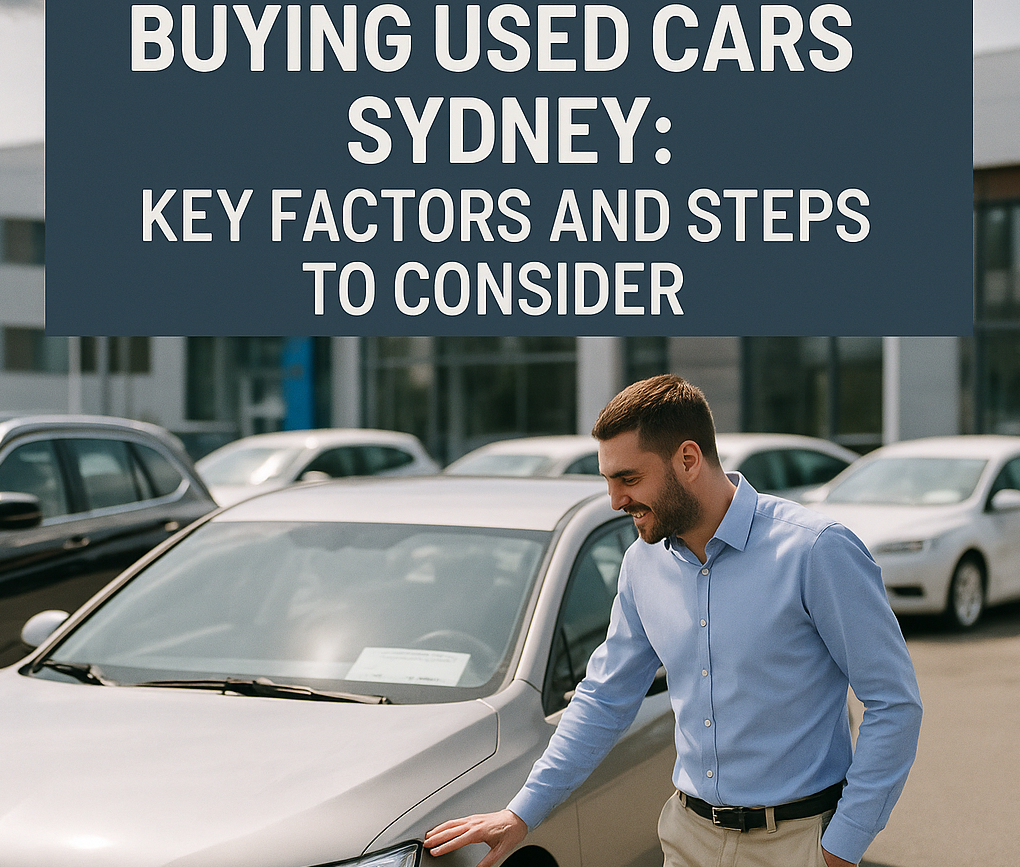
    Not sure about legal protections, transfer rules or forms? The NSW Government provides a clear guide to buying a used vehicle, including links to key checks and how to transfer rego. See the official advice on the NSW Government website. You can also browse our Sydney used-car overview for local context.

    Step 3: Do these critical checks before you pay

    Whether you’re purchasing an Outlander from a dealer or privately, do the following:

    • PPSR and history check:
      • Ask for the VIN and get a PPSR report (see our PPSR and used-car checks guide) to check for theft, write-off history and any finance owing. Always match the VIN and engine number on the vehicle with the registration papers. You can find legal guidance and links to perform checks via the NSW Government website.
    • Ownership and ID:
      • Confirm the seller is the registered owner. Check their ID and ensure all numbers match the rego paperwork.
    • Mechanical and physical inspection:
      • Body: look for rust, dents, mismatched paint, poor panel gaps.
      • Engine bay: check for leaks, burnt smells, crusty coolant or low fluids.
      • Transmission: ensure smooth shifts, no clunks or flares.
      • Brakes: no grinding; the car should stop in a straight line.
      • Electrics: test every switch, window, mirror, seat adjuster, wiper and the air-con.
      • Lights: headlights (including high beam), DRLs, brake lights, indicators, reverse light.
      • Glass: look for chips and cracks.
      • Tyres: check even tread wear; uneven wear can hint at alignment or suspension issues.
      • Service history: look for regular servicing at proper intervals. A complete, verifiable service history is a strong sign of care.
    • Test drive:
      • Cold start test for rough idle or warnings. Drive at varied speeds. Listen for knocks, rattles and wind noise. Check acceleration, braking feel and steering tracking. Make sure it starts, idles and restarts cleanly.

    If you’re buying privately (or even from a dealer for peace of mind), consider an independent pre-purchase inspection by a qualified mechanic. This is often money well spent to avoid bigger bills later.

    Outlander-specific checks that are worth your time

    The Mitsubishi Outlander is a practical family SUV. When you inspect and test drive, pay special attention to parts and features that get a workout in family life:

    • Seating and cabin:
      • If it’s a seven-seater, check the third-row operation for smooth fold/unfold and intact latches. Sit in all rows to sample space and visibility.
      • Inspect seat bolsters, stitching, and fabric/leather wear. Lift mats to check carpet condition and any signs of damp.
    • Infotainment and tech:
      • Confirm Bluetooth pairing, smartphone mirroring, USB ports and power outlets. Factory cameras and sensors should display clearly and work consistently.
    • All-wheel drive (if fitted):
      • Check for warning lights. On the test drive, note any unusual noises under load or at full steering lock.
    • Transmission feel:
      • Many Outlanders use a CVT. Gentle acceleration should feel smooth without shuddering. A brief test at highway speed can help you feel for droning or flare.
    • Suspension and steering:
      • Listen for knocks over speed bumps. The steering should be consistent with no pulling to one side.
    • Cargo and family fit-out:
      • Test the tailgate and folding mechanisms. Confirm cargo cover operation. Check that child-seat anchorage points are intact and accessible.
    • Towing and accessories:
      • If fitted, inspect tow bar mounting and wiring for tidy, safe installation. Always confirm your specific vehicle’s tow and payload limits in the owner’s manual or via state guidelines before using towing gear.
    • Fluids and filters:
      • Ask when the last oil, brake fluid and transmission fluid services were done. Genuine or high-quality filters and parts are a plus.
    • Keys and security:
      • Ensure you receive all keys/remotes. Test keyless entry and start (if fitted).
    • Recalls and software updates:
      • Ask the seller to confirm any recall work or dealer software updates have been completed. Proof in the service book or receipts is ideal.

    These checks don’t replace a professional inspection, but they help you spot red flags early.

    Warranties, paperwork and cooling-off periods

    • Statutory warranty:
      • In Australia, statutory warranties apply to some used cars sold by dealers, depending on age and odometer thresholds set by each state or territory. Private sales don’t have statutory warranties.
    • Cooling-off period:
      • Generally applies to dealership purchases, not private sales.
    • Paperwork and transfer:
      • The sale must include a proper transfer of ownership using your state’s road authority forms. A Roadworthy Certificate (RWC) may be required depending on your state and the vehicle’s status. For current legal requirements and the steps to transfer registration in NSW (including links to PPSR and other checks), see the NSW Government guide.

    If you’re unsure which protections apply to you, use your state’s official guidance. In NSW, the above resource is a reliable starting point.

    Running costs to plan for

    When you plan your Outlander budget, add realistic ongoing costs:

    • Fuel: City-heavy driving usually means higher usage than long highway runs.
    • Insurance: Shop around and compare levels of cover. Young drivers, postcode and claim history can change the premium.
    • Servicing and tyres: Family SUVs can be easy to live with, but they still need regular servicing and quality tyres.
    • Registration: Keep an eye on renewal dates and any inspection requirements in your state.

    These items are part of the “true” cost of ownership. Build them into your budget from the start.

    Your test-drive checklist for a used Outlander

    Use this quick checklist on the day:

    Before you drive:

    • Check the VIN on the windscreen and engine bay against rego papers and your PPSR report.
    • Inspect tyres for even wear and adequate tread depth.
    • Confirm there are no fresh leaks under the car.

    During the drive:

    • Cold start: smooth idle, no warning lights after start.
    • Suburban loop: listen for rattles, knocks, wind or whine; test indicators and brakes.
    • Highway run: check tracking (does it pull?), road noise, smooth acceleration.
    • Steering and suspension: bumps shouldn’t cause harsh clunks; return-to-centre should feel natural.
    • Transmission: shifts or CVT response should be smooth, no flare or lurch.
    • Brakes: steady pedal feel, no vibration through the wheel.

    After the drive:

    • Re-check for leaks, burning smells, or hot coolant odours.
    • Test park sensors and reversing camera quality again.
    • Make sure all seats fold and latch as designed.

    If anything feels off, don’t ignore it. Book an independent inspection before you commit.

    Dealer vs private: quick buyer guide

    • Choose a dealer if:
      • You want statutory warranty coverage (if the car qualifies), a cooling-off period, and help with paperwork.
      • You value extra legal protections and prefer a structured process.
    • Choose a private seller if:
      • You want the lowest possible price and are confident doing checks yourself.
      • You are happy to arrange your own PPSR, inspection and transfer.

    In both cases, your best protection is doing the right checks and not rushing the deal. If a seller refuses a PPSR check or a pre-purchase inspection, walk away.

    Useful tools and resources (Australia)

    • NSW Government — official advice on buying a used vehicle, including legal checks, transfer of registration and consumer rights. Start here if you’re in NSW or want to see what’s typically required across Australia. Visit the NSW Government guide.
    • CarsGuide — Aussie-focused car reviews, price comparisons and buying advice. Check out Outlander reviews and rivals on CarsGuide.
    • Go With The Gecko — a vehicle hire company (vans, utes, cars). If you need a vehicle before you decide to buy, a short-term hire can help you test the size you need. See Go With The Gecko.
    • Looking for step-by-step checks you can save? Ask our team for a simple vehicle inspection checklist before you come in.

    How to compare Outlander options

    • Seating: 5 seats vs 7 seats. If you need the third row only sometimes, check how easy it is to fold flat.
    • Drivetrain: front-wheel drive vs all-wheel drive. AWD can help with traction on wet or gravel roads, but check servicing history and tyres carefully.
    • Fuel type: pick what suits your driving pattern. Short trips may favour one setup; long highway days another.
    • Safety and tech: confirm the features important to you (e.g., active safety aids, camera quality, smartphone mirroring).
    • Service history: a fully stamped book with dated receipts is a major plus.
    • Accessories: tow bar, roof racks, cargo mats — handy, but ensure they’ve been fitted properly.

    Be sure to test multiple cars if possible. A back-to-back drive often makes your best choice obvious.

    Negotiating a fair deal

    • Price research: arrive with a target range based on similar Outlanders you’ve seen and independent reviews/pricing guides. Use our CarSales.com buying guide for context and cross-check with CarsGuide.
    • Condition and history: use any missing service history, worn tyres or upcoming maintenance to negotiate fairly.
    • Be ready to walk: if the numbers or the condition don’t add up, there will be other Outlanders to consider.
    • Don’t skip the checks: savings disappear fast if you buy hidden problems. Always do PPSR and inspections before paying.

    What to bring on inspection day

    • Your driver’s licence.
    • A phone with a torch and notes app.
    • A tyre tread gauge (or a coin as a quick visual check).
    • A trusted friend or family member for a second opinion.
    • Your checklist and questions for the seller.
    • If you have a trade-in, bring its service book and spare keys for a quicker trade-in valuation.

    Financing and add-ons

    If you need finance, set your budget first and compare options so the repayments fit your life. Keep add-ons (like extended warranties or paint protection) separate from the car price so you can compare apples with apples. Ask questions until you understand every cost. If you want help, our team can walk you through simple finance options suited to used vehicles.

    Conclusion

    A used Mitsubishi Outlander can tick a lot of boxes: space for family, sensible running costs, and easy day-to-day driving. Your best buy comes from a clear budget, a careful inspection, verified service history and the right checks (PPSR, VIN, ownership). If you’re buying from a dealer, know your protections. If you’re buying privately, be extra thorough and consider a pre-purchase inspection.

    Ready to find “your” Outlander? Visit GoCarzSales to explore our stock, book a test drive, or get a quick trade-in valuation. If you’re comparing options, ask us for a simple vehicle inspection checklist and chat about finance options. We’re here to help you buy with confidence.

    Important Disclaimer

    This article is general information only. It is not financial, legal or mechanical advice. Always verify vehicle details, including PPSR status, ownership, service history, and any statutory warranty or cooling-off protections with the selling dealer and your state authority. Confirm towing and payload limits for your exact vehicle in the owner’s manual and relevant state guidance. Consider an independent mechanical inspection before purchase.

    FAQs: Used Mitsubishi Outlander

    Is a used Mitsubishi Outlander a good family car?

    Many families choose the Outlander for its space and practicality. Check seat count, boot room and tech features, then test drive to ensure it suits your daily routine.

    What legal protections do I have if I buy from a dealer?

    Depending on the state and the car’s age/odometer, you may get a statutory warranty and a cooling-off period with a dealership purchase. For exact rules in NSW (and links to checks), see the NSW Government guide.

    Should I pay for an independent inspection?

    Yes — especially for private sales. A qualified mechanic’s report can save you from costly surprises.

    Do I need a PPSR report?

    Always. It helps confirm there’s no finance owing, theft or write-off history, and that identifiers match. You can find links to run checks via the NSW Government website.

    What paperwork do I need to complete the sale?

    You’ll need to transfer ownership using the correct forms for your state, and you may need a Roadworthy Certificate depending on state rules and the vehicle. The NSW Government guide explains requirements and steps.
  • Cars Guide: Step-By-Step Used Car Buying Process and Risks

    Cars Guide: Step-By-Step Used Car Buying Process and Risks

    Cars Guide

    Estimated reading time: 11 minutes

    Key takeaways

    • Set a total budget that includes on-road costs, insurance, servicing and likely repairs.
    • Choose where to buy: dealer for convenience, private for price, marketplaces for choice—verify everything.
    • Filter by safety first using official guidance and safety ratings before shortlisting.
    • Inspect in daylight, test drive thoroughly, and run a PPSR check before paying.
    • Negotiate with evidence and complete all paperwork, insurance and rego transfers on time.

    Table of contents

    What this Cars Guide covers

    Buying a second-hand car, ute, van, minibus or truck can feel complex, so this Cars Guide keeps it simple. In the next few minutes, you’ll learn how to plan your budget, where to shop, how to check safety and history, and how to seal the deal with confidence.

    We’ve blended practical steps with trusted sources in Australia, including official guidance from the NSW Government’s page on buying a used vehicle (linked below). You’ll also find links to CarsGuide reviews and GoCarz Sales resources to help you compare models and price trends.

    • A simple step-by-step plan from search to handover
    • How to avoid common risks and scams
    • What to look for in safety, history and paperwork
    • Typical running costs to consider
    • Popular used cars in Australia
    • Handy services if you need to move your new vehicle or your gear

    Step 1: Set your budget (and stick to it)

    Before you browse, set a clear, total budget. Include more than the purchase price. Factor in registration transfer, insurance, stamp duty, annual rego, routine servicing, and likely repairs. The NSW Government recommends planning for these extra costs early to avoid surprises (Buying a used vehicle — NSW Government). Tools like budgeting calculators can help you check affordability before you start shortlisting models.

    A couple of tips:

    • Keep a small “fix-up fund” aside for tyres, brakes or a battery if needed.
    • If you’re comparing larger utes, SUVs or trucks with small cars, remember that bigger vehicles often cost more to run (fuel, tyres, servicing).

    If you want support in shaping repayments and ownership costs, ask us about finance options.

    Step 2: Decide where to shop

    There are three main places to buy: dealerships, private sellers, and online marketplaces.

    • Dealerships: Many buyers like the convenience. Dealers usually handle lots of the paperwork and may provide a statutory warranty depending on the vehicle and state rules (Buying a used vehicle — NSW Government). They often charge higher prices compared to private listings, but you gain peace of mind and clearer recourse if something’s not right.
    • Private sellers: Prices can be lower, but you need to do more due diligence yourself. That includes confirming service history, arranging inspections, checking the PPSR, and making sure the seller is genuine.
    • Online marketplaces: These can be useful to compare prices and features, but take care. Only deal with verifiable sellers and avoid offers that feel “too good to be true” (Buying a used vehicle — NSW Government).

    If you’re weighing up a car versus a ute or small van for work, try some back-to-back test drives. We can line these up and walk you through the pros and cons for cargo space, towing and day-to-day costs. See stock ideas across used utes, used vans and used trucks for sale.

    Step 3: Check vehicle safety first

    Safety should be a top filter. The NSW Government recommends using resources like the Used Car Safety Ratings (UCSR), which are based on real-world crash data, to help compare models by safety (Buying a used vehicle — NSW Government). Aim for the safest vehicle that fits your budget and needs. Safety features like multiple airbags, ESC, and AEB can make a difference in daily driving.

    Tip: If two cars fit your budget, pick the safer one. It’s a choice you’ll never regret.

    Step 4: Inspect and test drive (bring backup if you can)

    Always inspect the vehicle in good daylight and take it for a proper test drive. If you’re not confident, bring an independent mechanic or a knowledgeable friend. A professional inspection can reveal hidden issues before you commit.

    What to ask the seller:

    • Has the car been in any crashes or had major repairs?
    • How many owners has it had?
    • Is the service history complete and stamped?
    • Is the odometer reading consistent with the age and history?
    • Is the rego current and in the seller’s name?

    What to check yourself:

    • Cold start: Listen for rattles, knocks or smoke.
    • Tyres: Even wear? Plenty of tread?
    • Brakes: Smooth stopping, no shudder.
    • Steering: Tracks straight, no vibrations.
    • Fluids: Look for leaks or odd smells under the bonnet.
    • Electronics: Lights, windows, A/C, infotainment.
    • Body: Panel gaps, overspray, or misaligned parts that suggest repairs.

    On the test drive:

    • Start on quiet streets, then drive at highway speeds.
    • Check engine power, transmission smoothness, and braking feel.
    • For utes and vans, test reverse parking and tight turns. If you’ll tow, ask about the towbar rating and confirm the vehicle’s towing and payload limits in the owner’s manual (and match them to your needs).

    If you’re not sure what to bring on the day, ask us for a simple vehicle inspection checklist.

    Step 5: Verify the vehicle’s history (PPSR and more)

    Before you pay a cent, run a PPSR check using the vehicle identification number (VIN). This confirms if the vehicle is recorded as stolen, written off, or under finance. In private sales, you must do this yourself; dealerships must ensure the vehicle is sold free of debt. Keep a copy of the PPSR certificate for your records.

    Also review:

    • Service history and receipts for major work.
    • Any accident or insurance reports the seller can provide.
    • Registration status and expiry.

    A clean paper trail reduces risk and helps protect your money.

    Step 6: Negotiate and complete the paperwork

    Negotiate the price only after you’ve inspected, test driven, and checked the PPSR. Be polite but firm. Use your research on market pricing, servicing needs, tyre wear, or upcoming rego costs to justify your offer.

    Before you sign or transfer funds:

    • Ask for an itemised summary of fees and charges.
    • Confirm which accessories, keys, manuals and service books are included.
    • Read all terms and conditions. Do not sign or pay until you are fully satisfied.

    Paperwork differs by where you buy:

    • Dealer purchase: The dealer usually prepares the contract and helps with transfer forms. It’s still your job to read everything and ask questions before you sign (Buying a used vehicle — NSW Government).
    • Private sale: You and the seller complete the transfer form and submit it within the time required by your state. You handle all checks and payments directly.

    If you have a vehicle to swap, ask us for a quick trade-in valuation to help you budget.

    Step 7: What to do right after you buy

    • Arrange insurance before you drive away.
    • Transfer registration into your name within the required timeframe for your state or territory.
    • Store your signed contract, PPSR certificate, and receipts safely.

    If you need to move the vehicle or shift gear to your new wheels, short-term hire can help. You can book a van or truck through Go With The Gecko or Gecko Live for flexible transport while you sort rego and insurance.

    Common risks (and how to avoid them)

    • Online scams: Beware of sellers who rush you, ask for deposits before inspection, or refuse to meet in person. Use trusted platforms and be cautious with payments. The NSW Government highlights the need for extreme care with unverifiable online sellers (Buying a used vehicle — NSW Government).
    • Hidden problems: Private sellers don’t always disclose everything. Protect yourself with an independent inspection and complete history checks.
    • Running costs blowouts: Bigger vehicles, utes and some SUVs can cost more to run than small cars and hatchbacks. Budget for fuel, tyres, and servicing accordingly.
    • Finance owing: A PPSR check is essential to be sure the vehicle isn’t under finance from a previous owner.

    If you’re seeking safe, reliable all-rounders, these models are often strong picks for value and durability:

    • Toyota Camry
    • Toyota Corolla
    • Mazda CX-5
    • Mazda 3

    Always compare safety ratings, service history and condition, as these matter more than a nameplate.

    To dive deeper into model reviews, spec lists and ownership notes, browse buyer advice and road tests on CarsGuide.

    Matching the vehicle to your purpose

    Think about what you carry, where you drive, and how long you’ll keep the vehicle.

    • Daily commuting: Small cars and hatchbacks are easier to park and cheaper to run. Check safety features and service history first.
    • Growing family: Look for 5-star safety, good crash ratings, and features like AEB. Medium SUVs or wagons can offer more space.
    • Work-ready ute: Focus on payload, towing capacity, tub size, and towbar specs. Check for accessories like liners, canopies, or roof racks. Inspect for signs of hard use (dents in the tub, worn towbar, sagging springs).
    • Vans for tools or deliveries: Medium vans balance payload with fuel economy. Check door seals, cargo floor condition, and any shelving or electrics.
    • Light trucks and minibuses: Confirm compliance with licence class, payload, seatbelts, and maintenance history. Plan for higher running costs and insurance.

    Not sure what fits best? Compare options in used utes, used vans and used trucks for sale and ask us for side-by-side running cost guidance.

    The total cost of ownership: what to plan for

    Your true cost of ownership includes:

    Check the service book for upcoming major items like timing belts or transmission services. If they’re due soon, use that in your negotiation.

    Quick checklist before you pay

    FAQs

    Should I buy from a dealer or a private seller?

    Dealers cost more but often handle paperwork and may offer a statutory warranty depending on the vehicle and state rules (Buying a used vehicle — NSW Government). Private sellers can be cheaper, but you must verify the car’s condition and history yourself.

    How do I avoid scams?

    Meet the seller, inspect in person, and don’t transfer money until you’re satisfied. Be wary of urgent or “too good to be true” offers, and use trusted platforms (Buying a used vehicle — NSW Government).

    What is a PPSR check and why is it important?

    A PPSR check shows if a car is recorded as stolen, written off, or under finance. Dealers must sell cars free of debt, but in private sales you need to run this check yourself and keep the certificate.

    What ongoing costs should I consider?

    Insurance, registration, servicing, tyres, and fuel. Medium and large vehicles (including many utes and SUVs) typically cost more to run than small cars.

    Can I use price guides and reviews to help me choose?

    Yes. Expert reviews and price guides help you compare features, safety and value. Try CarsGuide for detailed model coverage.

    Conclusion

    Buying used is a smart way to get more car for your money. Start with a firm budget, filter by safety, inspect and test drive, and always run a PPSR check. Choose where to buy based on the support you want and the risk you’re comfortable with. If you plan well and check the details, you’ll land a vehicle that fits your life and your wallet.

    Ready to take the next step? Explore GoCarzSales stock, book a test drive, or request a quick trade-in valuation. Our team can also guide you through finance, insurance and the paperwork so you can drive away with confidence.

    Important Disclaimer

    This guide is general information only. It is not financial, legal or mechanical advice. Always verify details such as roadworthy status, PPSR results, safety ratings, warranty coverage, and towing/payload limits, and consult qualified professionals or your relevant state authority before you buy.

  • Carsguide: Step-By-Step Used Car Buying Checklist and Risks

    Carsguide: Step-By-Step Used Car Buying Checklist and Risks

    Carsguide

    Estimated reading time: 10 minutes

    Key takeaways

    • Choose where to buy: dealer, private seller, or online—each has trade‑offs in price, protection, and convenience.
    • Budget beyond the sticker price: include stamp duty, rego transfer, insurance, servicing, and tyres.
    • Always run a PPSR check, verify history, inspect thoroughly, and test drive on mixed roads.
    • Know your rights: dealer purchases offer more protection than private sales in most cases.
    • Negotiate respectfully; if price won’t move, ask for extras like fresh rego or a service.

    Table of contents

    Thinking about buying a used car and browsing sites like this guide? This clear, step‑by‑step guide will help Aussie buyers choose well, check a vehicle properly, and avoid common traps. We’ll cover where to buy, what to budget, the checks you must do, and how to finalise the deal with confidence.

    At GoCarzSales, we help people into quality second‑hand trucks, vans, utes, minibuses and cars every day. Below is everything our team wishes every buyer knew before they shook hands on a used vehicle.

    Where to buy a used car (and how each option works)

    You can buy from three main places: a licensed dealer, a private seller, or an online marketplace that lists cars from dealers and private sellers, including specialist sites like CarsGuide. Each option has pros and cons explained in our guide.

    • Buying from a licensed dealer
      • Pros: More consumer protection, help with paperwork, and many cars come with a statutory warranty and a cooling‑off period in NSW (check the rules for your state). NSW Government guide to buying a used vehicle
      • Cons: Prices are often higher than private sales, and there may be dealer or processing fees.
    • Buying privately
      • Pros: Often cheaper, and there’s more room to negotiate the price.
      • Cons: Fewer protections. You do the checks and paperwork yourself, and scams are more common in unverified online spaces.
    • Buying via online platforms
      • Marketplaces can make searching easy and let you compare many cars fast, including stock from dealers and private sellers.
      • Be extra careful with sellers who don’t verify their identity, refuse inspections, or push you to pay before you’ve seen the car.

    Tip: No matter where you buy, use the same safety checks. A clean ad doesn’t always mean a clean car.

    Budgeting: the full cost (not just the sticker price)

    Set your total budget first. Include these common costs:

    • Purchase price.
    • Registration transfer and stamp duty (motor vehicle duty). See your state rules; in NSW, these are standard parts of a used‑car purchase. NSW Government guide to buying a used vehicle
    • Insurance.
    • Servicing and maintenance.
    • Repairs and tyres (older SUVs and utes can have higher running costs than small hatchbacks).

    If you’re comparing an SUV or ute with a small car, plan for the extra fuel, tyres, and service costs over time. Think beyond the driveway price so you don’t stretch your budget later.

    Key checks: safety, PPSR, inspection and test drive

    A careful check now can save you thousands later. Use this simple sequence.

    1. Shortlist safer cars
      Look up independent safety ratings for the exact year and model you’re considering (for example, Used Car Safety Ratings). Safer cars protect you and your family better.
    2. Run a PPSR check
      Use the VIN to check the Personal Property Securities Register (PPSR). This reveals if the car is stolen, written off, or still under finance. In NSW, this step is part of the standard guidance for buying used. NSW Government guide to buying a used vehicle
    3. Inspect the vehicle
      • Outside: Walk around the car. Look for mismatched paint, uneven panel gaps, bubbling paint (rust), overspray, and cracked lights.
      • Inside: Check seats, trim, odometer, and warning lights. Make sure all features work (air con, windows, infotainment).
      • Under the bonnet: Look for fluid leaks, brittle hoses, and signs of poor repairs.
      • Underneath (if safe): Look for damage, rust, and leaks.

      If you’re not confident, get an independent mechanic to inspect the car before you buy.

    4. Test drive on mixed roads
      Start cold if possible. Listen for knocks, rattles, and squeals. Check the steering tracks straight and the brakes feel strong and even. Try city streets and a bit of freeway if allowed.
    5. Verify the history
      Ask for service records and receipts. Make sure details match the car and the seller. Walk away if anything feels wrong.

    A simple step‑by‑step used‑car buying checklist

    • Set a firm budget including stamp duty, rego transfer, insurance and first service. NSW Government guide to buying a used vehicle
    • Shortlist makes and models known for reliability and safety.
    • Compare total running costs for body type (hatch, sedan, SUV, ute, van).
    • Line up finance if needed so you can decide fast. finance options
    • Search widely: licensed dealers, private sellers and trusted online platforms.
    • Check safety ratings, recalls and common issues for that model.
    • Run a PPSR check using the VIN before you place a deposit. NSW Government guide to buying a used vehicle
    • Inspect the car in daylight and dry weather if you can. Bring a friend.
    • Arrange an independent pre‑purchase inspection.
    • Test drive on different roads and speeds.
    • Negotiate. If a seller won’t budge on price, ask for extras instead (service, new tyres, or rego).
    • Finalise paperwork, transfer rego, and pay stamp duty promptly. NSW Government guide to buying a used vehicle

    If you want a safe bet, start with common, well‑reviewed models. The Toyota Camry, Toyota Corolla, Mazda CX‑5 and Mazda 3 are often stand‑outs for reliability and value in the used market. You’ll also find parts and service knowledge easily, which helps lower ownership costs over time.

    Risks to watch for (and how to avoid them)

    • Encumbrance (money still owed on the car). Do a PPSR check to spot this. NSW Government guide to buying a used vehicle
    • Odometer tampering or hidden accident damage. Inspect carefully and get an independent check.
    • Scams and pressure tactics in unregulated online spaces. Don’t pay a deposit until you’ve seen and checked the car. Meet in safe, public places.

    If a seller refuses reasonable checks or won’t share the VIN, walk away. There will always be another car.

    Need wheels for a week or two while you hunt? Renting can bridge the gap and keep you mobile. Services like Go With The Gecko offer flexible van and vehicle hire options. Gecko Live

    Check the inclusions, insurance, and excess so you know the drive‑away cost.

    Picking the right type of vehicle for your needs

    • Utes and trucks
      Great for payload and towing, and handy for work or weekend jobs. Check the compliance plate and owner’s manual for rated payload and towing limits. Make sure your licence and towbar setup match the task.
    • Vans and minibuses
      Ideal for moving people or gear. Look for sliding door condition, seat mounts, and cargo tie‑downs. Plan for higher fuel use than a small car. used vans
    • SUVs and crossovers
      Extra space and ground clearance. Compare tyre size and fuel type, as these affect running costs.
    • Small cars
      Easy to park and cheap to run. Good for city driving and first cars.
    • Fuel and engine choice
      Diesel can suit long highway trips and towing; petrol often suits short trips. Turbo engines can feel strong but may need extra care and timely servicing. Whatever you choose, stick to the service schedule.
    • Warranty and servicing
      Used cars from dealers may come with a statutory warranty depending on age and kilometres in your state. Ask about any dealer warranty, what it covers, and how claims work. NSW Government guide to buying a used vehicle
      Always review the service history. A complete logbook is a very good sign. vehicle inspection checklist

    How to get the best deal

    • Research the going market price for the same year, trim and kilometres.
    • Be polite, point out any issues found during inspection, and offer a fair price.
    • If the price won’t move, ask for extras like fresh rego, a full service, or new tyres.
    • Be ready to walk away. The best negotiating power is the willingness to keep looking.

    FAQs

    Is it better to buy from a dealer or a private seller?

    Dealers offer more protection and help with paperwork, and some cars have a statutory warranty and a cooling‑off period in NSW. NSW Government guide to buying a used vehicle Private sales can be cheaper, but you get fewer protections and must handle everything yourself.

    What is a PPSR check and why do I need it?

    The PPSR shows if the car is stolen, written off, or still under finance. It’s the simplest way to avoid buying someone else’s debt. NSW Government guide to buying a used vehicle

    How do I avoid buying a dud online?

    Verify the seller’s identity, inspect in person, run a PPSR check, and get an independent pre‑purchase inspection if possible. Don’t transfer money until checks are complete.

    Which used models are safe bets for reliability?

    The Toyota Camry, Toyota Corolla, Mazda CX‑5 and Mazda 3 are often top picks for reliability and safety in the used market.

    Do SUVs and utes cost more to run than small cars?

    Often yes—bigger tyres, higher fuel use, and sometimes higher service costs can lift ongoing expenses.

    Can I negotiate the price with a dealer?

    Yes. If price is tight, ask for extras instead—fresh rego, a full service, or accessories can be easier to approve.

    Conclusion

    Buying used doesn’t have to be stressful. Follow the steps above, use a PPSR check, inspect carefully, and know your rights. Whether you shop at a dealership, through a private sale, or platforms like CarsGuide, a little homework goes a long way.

    At GoCarzSales, we stock a wide range of second‑hand trucks, vans, utes, minibuses and cars. Explore our range, book a test drive, or ask us for a trade‑in valuation today. used trucks for sale used utes used vans trade‑in valuation finance options

    Important Disclaimer

    This article is general information only. It is not financial, legal, or mechanical advice. Always verify details yourself and with qualified professionals (for example, roadworthy checks, PPSR status, statutory warranty eligibility, towing and payload limits, and insurance). Check the latest rules with your state or territory authority. NSW Government guide to buying a used vehicle

  • Facebook Marketplace: How to Safely Buy a Used Car

    Facebook Marketplace: How to Safely Buy a Used Car

    Facebook Marketplace

    Estimated reading time: 10 minutes

    Key takeaways

    • Use a clear step-by-step process: research, inspect, run checks, then finalise paperwork.
    • Always inspect in daylight and insist on a proper test drive before paying anything.
    • Run a PPSR check to confirm no finance owing, theft, or write-off history.
    • Independent pre-purchase inspections are inexpensive insurance against hidden faults.
    • Private sales can be cheaper but offer fewer protections than licensed dealers.
    • Walk away from red flags: mismatched documents, pressure tactics, or refusal to test drive.

    Table of contents

    Thinking about buying your next car on Facebook Marketplace? It can be handy for finding a bargain, but you need a solid plan to buy safely and avoid costly mistakes. This guide from GoCarzSales explains how to research, inspect, and legally check a used car in Australia, with clear steps you can follow before you hand over any money.

    Facebook Marketplace is packed with private listings. You can browse nearby, message sellers, and see photos quickly. Prices can be lower than dealer stock because private sellers don’t have the same overheads. But there are trade-offs.

    • Private sales don’t usually come with the same protections you get from licensed dealers, such as statutory warranties or cooling‑off periods, so you must be extra careful.
    • Scams do happen. Never pay before you see and drive the vehicle, and walk away if something feels off.

    With a smart process, you can use Marketplace well and protect yourself at each step.

    The overall process (simple roadmap)

    Buying a used car in Australia involves research, inspection, checks for finance/stolen/write‑off status, and proper paperwork to complete the transfer. The best path is:

    1. Research and budgeting
    2. Inspection and test drive
    3. Vehicle history and legal checks
    4. Expert inspection if you’re unsure
    5. Price negotiation and paperwork
    6. Transfer, registration, and insurance

    Follow the sections below in order and you’ll cover the important bases.

    Step 1: Research and budget

    Start with your needs. Make a shortlist of makes and models that fit your daily life, payload/towing needs, and running costs (fuel, tyres, servicing). Think about how you’ll use it: city runs, weekend trips, worksite visits, or heavy towing. For example:

    • Tradies might look at dual‑cab utes or cab‑chassis models with tool space used utes.
    • Couriers may prefer small vans for easy loading and city parking used vans.
    • Family or community groups might consider people-movers or minibuses.
    • Towing a boat or trailer? Check tow ratings and brakes before you buy.

    Set your budget early. Include the full purchase price and ongoing costs like registration and insurance. Leave room for a pre‑purchase inspection and any first‑service or tyre replacements you might need.

    Tip: If you’re unsure which model fits you, consider renting the same type for a weekend to test its size, comfort, and fuel use before you commit.

    Step 2: Inspection and test drive

    Always see the car in daylight. A bright, dry day helps you spot paint and panel issues.

    • Exterior: Walk around the car. Look for dents, scratches, rust, overspray, or panels that don’t line up. Check tyres for even wear, lights for cracks, and windows for chips.
    • Interior: Check seat wear, seatbelts, carpets, and all switches. Test the infotainment and air‑con, and note if cargo space will suit your gear.
    • Engine bay and underneath: Look for leaks, frayed belts, or signs of rushed repairs.
    • Test drive: The car should start easily. On the road, listen for rattles, knocks, or whining. Check braking feel, steering response, acceleration, and ride comfort. Try different speeds and road types if possible.

    If the seller refuses a test drive, that’s a red flag. Walk away.

    This is critical, especially on Facebook Marketplace.

    • PPSR check: Run a Personal Property Security Register (PPSR) check using the VIN or chassis number to confirm the car isn’t stolen, written off, or under finance. If there’s money owing, you could become liable for that debt, even after you’ve paid the seller.
    • Service history: Ask for the logbook. Regular services and receipts help prove good care.
    • Roadworthy and rego: Review the roadworthy certificate if required in your state, and note the registration expiry.
    • Ownership: Check the seller’s name against the registration and VIN. Make sure the details, build date, and compliance plates all line up.

    Step 4: Expert inspection (worth every dollar)

    If you’re not fully confident, arrange an independent pre‑purchase inspection by a qualified mechanic. They can spot leaks, worn suspension, accident repairs, or impending big bills that you might miss. This check is often inexpensive compared to the risk of buying a car with hidden problems.

    You can find mobile mechanics through local networks or task platforms if needed.

    Step 5: Negotiate and complete paperwork

    Use what you’ve learned to negotiate:

    • Minor issues like worn tyres or faded paint can justify a fair price reduction.
    • Big problems (e.g., PPSR finance owing, structural damage) are reasons to walk away.

    Finish with correct paperwork: transfer of ownership, registration, and roadworthy where required. Keep copies of ID, the receipt, and the contract/bill of sale.

    If you prefer extra protection, consider buying through a licensed dealer, as you may get statutory warranties and cooling‑off periods that don’t apply to most private sales. That security can be worth more than a small price difference.

    Step 6: After purchase

    Organise your insurance, registration transfer, and any urgent maintenance. Book a basic service to baseline fluids, filters, and brakes if the history isn’t crystal clear.

    Buyer’s checklist (print or screenshot)

    Use this quick list when shopping on Facebook Marketplace:

    • PPSR check (stolen, finance, write‑off status)
    • Verify VIN and compliance plates
    • Full service and repair history (logbook, receipts)
    • Roadworthy certificate and registration expiry
    • Owner’s details and transfer notification ready
    • Exterior: bodywork, paint, rust, tyres, lights, windows, mirrors
    • Interior: seats, seatbelts, electronics, infotainment, air‑con
    • Test drive: start‑up, acceleration, braking, steering, suspension, noise
    • Negotiate price and finalise paperwork
    • Plan a pre‑purchase inspection if unsure

    Save this alongside your vehicle inspection checklist.

    Special risks and smart moves on Facebook Marketplace

    • Never send money before an in‑person inspection and test drive. Meet in a safe, public place if possible.
    • Beware of mismatched documents (name on rego not matching the seller), missing keys, or signs of rushed repairs like fresh overspray or uneven panel gaps.
    • If a deal seems too good to be true, it probably is. Pushy sellers, vague answers, or unwillingness to show ID are all reasons to walk away.
    • Take your time. Good cars will stand up to checks and questions.

    Pricing and negotiation in today’s market

    Used car prices have shifted since the pandemic. Supply has improved, which has eased some pressure, but prices at dealers can still be elevated compared to pre‑pandemic times. Negotiation remains important. Use your research, inspection findings, and PPSR results to agree on a fair figure. For private sales on Facebook Marketplace, expect a bit of back‑and‑forth. Stay polite and stick to your budget.

    Marketplace vs dealer: what suits you?

    • Facebook Marketplace (private sale):
      • Pros: Often lower prices; direct contact with owner; quick to view.
      • Cons: No statutory warranty or cooling‑off period in most cases; higher risk; you must do all checks yourself.
    • Licensed dealer:
      • Pros: Added protections like statutory warranties and cooling‑off periods may apply; clearer paperwork; more transparency.
      • Cons: Sticker prices can be higher.

    Your choice depends on risk appetite, time, and how much you value extra protection. If you want peace of mind, a dealer can make sense. If you’re experienced and thorough, private sales can offer value.

    At GoCarzSales, we stock quality used trucks, utes, vans and people‑movers, with checks and friendly advice to help you buy with confidence used trucks for sale used utes used vans.

    Useful resources

    • State guidance: Your state’s vehicle authority sets rules for transfers, roadworthy requirements, and registration. Government guidance outlines what’s required when buying and selling used vehicles.
    • Try before you buy: Renting the same model type for a day or two helps you test comfort, fuel use, and size before purchase.
    • Independent inspections: Mobile mechanics and task platforms can provide pre‑purchase checks for a modest fee.
    • Dealer vs private: Dealers generally offer more protections; private sellers can be cheaper but demand more due diligence.

    Practical examples

    • Tradie buying a dual‑cab ute: Make sure payload suits your tools, and check for heavy tow use. Look under the tray for rust or damage. Review suspension and tyres for signs of worksite wear. Always run a PPSR check to avoid inherited finance.
    • Courier choosing a small van: Check cargo area for leaks, door seals, and tyre wear from city driving. Confirm service intervals and brakes have been maintained. A short city test drive at peak time will show how it handles stop‑start traffic.
    • Family buying a people‑mover: Inspect seatbelts, child‑seat anchor points, sliding door operation, and air‑con performance in all rows. Look for a clean service history and take a mixed urban/highway drive to test comfort and noise.

    If any doubt remains, book an independent inspection. It’s cheaper than fixing a hidden fault later.

    Conclusion

    Facebook Marketplace can be a useful place to find your next used car, ute, van, or people‑mover. But the only way to buy with confidence is to follow a clear plan: research, inspect, verify history, and complete the right paperwork. If you want added protection and less hassle, a trusted dealer is a strong option.

    Call to Action

    Ready to upgrade? Explore GoCarzSales for quality second‑hand utes, vans, trucks, and minibuses, all checked and ready to go. Book a test drive, ask about finance options, or get a quick trade-in valuation. Our team can also guide you through a thorough inspection so you can buy with confidence.

    Important Disclaimer

    This guide is general information only. It is not financial, legal, or mechanical advice. Always verify details yourself (including roadworthy, PPSR, warranty status, and towing/payload limits) and consult qualified professionals or your relevant state authority before you buy.

    FAQs

    Is Facebook Marketplace safe for buying a used car?

    It can be, if you follow a strict process. Inspect in person, run a PPSR check, verify ownership, and never pay before a test drive. Buying from a dealer can add protections like statutory warranties and cooling‑off periods.

    What is a PPSR check and why does it matter?

    The PPSR shows if a vehicle is stolen, written off, or has money owing. If there’s finance attached, you could become liable for that debt even after buying the car.

    Do private sales include a warranty?

    Generally no. Private sales usually don’t have statutory warranties or cooling‑off periods, unlike many dealer sales. That’s why careful checks matter.

    Should I pay a deposit to a private seller?

    Only if you’re completely comfortable, have seen the car, and have a written agreement. Never send money before inspection and a test drive.

    Is an independent inspection worth it?

    Yes. A mechanic can find hidden damage or wear you might miss, helping you avoid costly repairs later.

  • Car Dealerships Near Me: Safe Buying and Inspection Tips

    Car Dealerships Near Me: Safe Buying and Inspection Tips

    Estimated reading time: 13 minutes

    • Licensed local dealers usually offer stronger protections than private sales.
    • Budget for on-road costs: rego, duty, insurance, servicing, and repairs.
    • Run a rego check and consider a paid history report to avoid hidden risks.
    • Always inspect and test drive thoroughly; consider an independent inspection.
    • Negotiate politely, read the contract carefully, and insure before driving away.
    • Unsure on body style? Try-before-you-buy with a short rental.

    Searching for car dealerships near me? Here’s a simple, trustworthy guide to help you find the right used car, ute, van, truck, or minibus in your area, and to buy with confidence.

    At GoCarzSales, we focus on second-hand vehicles that work hard: trucks, vans, utes, minibuses, and everyday cars. This article explains how to shop safely, set a smart budget, check a vehicle’s history, do a proper inspection and test drive, and even rent a van or truck first if you want to try before you buy.

    Why local dealerships are often the safer choice

    When you shop for a used vehicle, you can buy from a licensed dealer, a private seller, or online marketplaces. Buying from a licensed dealer usually gives you stronger protections than a private sale, and demo cars are legally treated as used vehicles, often at a discount (NSW Government guide). Private sales can be cheaper, but they carry higher risks and fewer protections (NSW Government guide).

    Scams are more common on unverified online marketplaces. Be cautious, and never transfer money before you see and drive the vehicle in person (NSW Government guide). This is another reason many buyers prefer to deal with licensed local dealerships.

    Budgeting: look beyond the sticker price

    The purchase price is only part of the cost. You’ll also need to plan for:

    • Registration transfer fees and annual registration
    • Insurance (CTP and comprehensive, if you choose it)
    • Maintenance, servicing, and repairs
    • Motor vehicle duty (stamp duty)

    These on-road and ongoing costs can add up, so build them into your budget from the start (NSW Government guide).

    If you’re comparing similar vehicles at different car dealerships near you, ask for a full drive-away price so you’re comparing apples with apples. Also think about fuel type, tyre condition, and timing belt/chain service history, as these can affect future costs.

    Do your checks: registration status and vehicle history

    Before you buy, check the vehicle’s legal status and past use.

    • Use your state’s online tools to confirm registration details. In NSW, the free rego check shows registration expiry, whether the rego is suspended, past odometer readings, and CTP insurance details (NSW Government rego check). For local tips, see our used cars in Sydney guide.
    • Consider a paid vehicle history report if you want extra detail. These reports can show accident history, finance owing, and prior damage, which can help you avoid hidden risks (NSW Government guide).

    Also make sure the seller is the legal owner and that there’s no money owing on the car. Always review the service history and check the current registration papers. Dealers help with paperwork, but it’s still wise to read everything carefully.

    Dealer vs private: protections and peace of mind

    Buying from a licensed dealer generally gives you more protection than buying privately. That can include statutory warranties and cooling-off periods, depending on the vehicle and state rules (NSW Government guide). Private sales usually do not offer such protections.

    If you’re set on a private sale, double down on checks. Verify the rego, get a paid history report, and insist on a thorough inspection and test drive. Never pay a deposit until you’ve seen and driven the vehicle (NSW Government guide). For more tips, see our private sale guide.

    How to inspect and test drive like a pro

    A good inspection can save you thousands later. If you’re not a mechanic, organise an independent inspection before you buy. It’s a small cost that can identify hidden faults early.

    On your inspection and test drive:

    • Look for signs of leaks, rust, poor repairs, uneven tyre wear, and mismatched paint.
    • Start the engine from cold if you can, and note any smoke, rattles, or warning lights.
    • Test the brakes, steering, suspension, lights, wipers, air con, and infotainment.
    • Drive on different roads and speeds to check comfort, performance, and safety features.
    • Cross-check the service logbook. Regular services suggest better care.
    • Bring a trusted friend. Two sets of eyes help you spot issues and handle sales pressure.

    If the vehicle is a ute, van, truck, or minibus, also consider cargo space, payload needs, towing capacity, visibility, and turning circle. Ask whether accessories like towbars, roof racks, or cages are included and road-legal. For a step-by-step list, see our vehicle inspection checklist.

    Paperwork: what to confirm before you sign

    Before you commit:

    • Confirm the seller’s ID and that the name matches the registration or dealer contract.
    • Review the service history, roadworthy certificate, and any receipts for major repairs.
    • If buying privately, ensure the vehicle has a clear title (not stolen, no finance owing).
    • If buying from a dealer, ask in writing about any warranty, cooling-off period, and return policy.

    Read the contract slowly and ask questions. If anything is unclear, pause and seek advice from a trusted person or professional.

    Negotiating and final steps

    Negotiation is normal in used car sales (see our national guide), especially if you’ve found minor issues or the tyres and rego are due soon. Research the market, be polite, and know your walk-away price. When you’re ready to buy, complete the transfer and registration steps required in your state, and make sure you hold valid insurance before driving away (NSW Government guide).

    If you need help with budgeting, chat to us about finance options and how repayments might fit your needs.

    Try-before-you-buy: rent a van, ute or truck

    Not sure if a small van or a 3-seater ute suits your work day? Hiring a van, ute or truck for a day or two can help you test real-world tasks like school runs, site visits, deliveries, or weekend moves. Go With The Gecko focuses on DIY vehicle hire and offers options across major Australian cities, with flexible bookings and comprehensive insurance (excess and conditions apply). It’s handy for local and one-way interstate moves, and useful if you want to compare sizes before choosing the right vehicle type.

    If you do hire first, pay attention to:

    • Payload and space: Do your tools, stock, or family gear fit?
    • Access and parking: Will it fit under your carport or into tight laneways?
    • Fuel use and comfort: How does it feel after an hour on the road?

    After your trial, you’ll have a better idea whether you need a long-wheelbase van, a single- or dual-cab ute, a light truck, or a small people mover. When you’re ready, explore our used vans, used utes, and used trucks for sale.

    Choosing the right vehicle type for your needs

    Every buyer’s needs are different. Here’s a simple guide to help you shortlist:

    • Utes
      • Good for mixed work and family tasks.
      • Easy to load, can tow, and can be fitted with trays or canopies.
      • Check payload, tow rating, and whether you need single- or dual-cab.
    • Vans
      • Best for enclosed cargo and delivery runs.
      • Easy to secure loads and protect gear from weather.
      • Check height limits if you use carparks, and look at rear/side door access.
    • Light trucks
      • Great for larger payloads and moving household goods or materials.
      • Check licence needs, tray length, tie-down points, and reversing aids.
    • Minibuses/people movers
      • Good for carrying more passengers to school, sport, or work sites.
      • Check seating layout, anchor points, and luggage space.
    • Small/medium cars
      • Ideal for daily commuting and city parking.
      • Look for safety features, good service history, and low running costs. For model-specific tips, see our used Honda buying guide.

    Whatever you choose, match the vehicle to your daily jobs, not your “best-case” day. A sensible match saves money and stress.

    Practical checklist for visiting car dealerships near you

    Take this list with you when you visit a local dealer or meet a private seller:

    • Budget
      • Set a total budget that includes rego, duty, insurance, and likely maintenance (NSW Government guide).
    • Legal checks
      • Run the state’s free rego check (in NSW, see expiry, suspensions, odometer readings, and CTP) (NSW Government rego check).
      • Consider a paid history report for accidents, finance owing, and prior damage (NSW Government guide).
      • Confirm clear title and legitimate ownership.
    • Inspection and test drive
      • Get an independent inspection if you’re unsure.
      • Check service logbook and receipts.
      • Test safety, comfort, performance, and all electrics.
      • Bring a trusted friend to help you review.
    • Paperwork
      • Review warranty and cooling-off details if buying from a dealer.
      • Read the contract; ask if anything is unclear.
      • Complete transfer and rego steps as required in your state (NSW Government guide).
    • Final checks
      • Confirm keys, accessories, and spare tyre/jack.
      • Insure the vehicle before you drive away.

    If you have a current vehicle, ask us for a quick trade-in valuation to keep things simple.

    Dealing with demo cars and online listings

    Dealers often sell demo cars at a discount. These vehicles are legally used cars, so treat them like any other second-hand car: do the checks, review the logbook, and test drive to make sure it fits your needs (NSW Government guide on demo/used cars).

    Online listings are fine for research, but be careful with private ads. Watch for vague descriptions, pressure to pay a deposit before viewing, or excuses for not meeting in person. Stick to public meeting places and bring someone with you. Many scams try to rush you into a quick decision (NSW Government scam caution).

    What motoring experts recommend

    Government and motoring experts recommend buying from licensed dealers for stronger protections, using rego checks and paid history reports, inspecting and test-driving thoroughly, and treating private sales with extra caution (NSW Government recommendations).

    If you’re unsure about a body style, a short rental in a similar van or ute can help you test cargo space, access, and comfort before you commit.

    Conclusion

    When you search for car dealerships near me, look for a licensed local team that gives you clear history, a proper test drive, a fair price, and help with the paperwork. Stick to the basics: budget for the real cost, check the rego and history, get an inspection, and take your time. If you need to try a vehicle type first, a short rental can make your choice much easier.

    At GoCarzSales, we make used buying simple. Explore our range of utes, vans, trucks, minibuses, and cars, book a test drive, or ask us about trade-ins and finance. We’re here to help you find the right fit.

    Call to Action

    • Ready to find your next workhorse or family mover? Browse our stock and book a test drive today.
    • Got a vehicle to swap? Ask for a quick trade-in valuation.
    • Need help budgeting? Chat with us about finance options.

    Important Disclaimer

    This article is general information only. It is not financial, legal, or mechanical advice. Always verify details yourself (for example: rego status, PPSR/clear title, roadworthy certificate, warranty coverage, towing and payload limits). Consult qualified professionals or your relevant state authority before you buy, sell, or rent a vehicle.

    FAQs

    Are demo cars the same as used cars?

    Yes. Demo cars are legally classified as used vehicles, and they’re often sold at a discount. Do the usual checks and test drive as you would with any used car (NSW Government guide).

    What does the free NSW rego check show?

    It can show registration expiry, any suspension, past odometer readings, and CTP insurance details (NSW Government rego check).

    Is it safer to buy from a dealer?

    Licensed dealers usually offer stronger protections than private sales, including warranties and sometimes a cooling-off period, depending on your state and the vehicle (NSW Government guide).

    Do I still need a paid vehicle history report if I run the free rego check?

    The rego check is a great start. A paid history report can add extra details such as accident history, finance owing, and prior damage (NSW Government guide).

    Can I rent a van, ute, or truck short-term to try it out?

    Yes. Rental options exist for vans, utes, and trucks, with flexible bookings and insurance included (conditions apply), and locations across major cities.

  • Used Car Sales Australia: Step-by-Step Buyer’s Checklist

    Used Car Sales Australia: Step-by-Step Buyer’s Checklist

    Used Car Sales Australia

    Estimated reading time: 11 minutes

    Key takeaways

    • Set a real-world budget that includes on-road and running costs[1].
    • Choose where to buy based on protections vs price (dealer, private, or online)[1][2].
    • Inspect in daylight, test drive thoroughly, and consider a pre-purchase inspection[3][4].
    • Check safety ratings and run all legal checks (PPSR, rego, roadworthy)[1][4].
    • Use a written contract, transfer rego on time, and insure immediately[5][4][1].

    Table of contents

    A quick roadmap

    • Set a real‑world budget that includes on‑road and running costs[1].
    • Decide where to buy: dealer, private seller, or online platform[1][2].
    • Inspect the vehicle in daylight and review its history[3].
    • Check safety ratings and theft risk[1].
    • Do the legal checks (PPSR, rego, roadworthy)[4].
    • Negotiate, close the sale, and transfer the rego properly[4][5].
    • After you buy, insure it, update rego, and plan any maintenance[1][2][5][4].

    Use this article as your step‑by‑step checklist. It’s written for Australian buyers and includes NSW specifics with official links.

    1) Budget first: price, on‑roads, and running costs

    Before looking at cars, set a total budget. Include more than the purchase price. Add insurance, registration, stamp duty, and a buffer for repairs and servicing[1]. Think about fuel use, tyres, and future maintenance.

    Be clear about what you need day to day. A small hatch may suit commuting. A family SUV offers space and safety. A ute or van may be better for work gear or weekend projects[1]. For business use, consider payload, towing, and cargo space.

    Tip: Write your “must‑haves” (safety features, seats, towing) and “nice‑to‑haves” (sunroof, premium audio). This keeps you focused during inspections and test drives.

    2) Where to buy: dealer, private, or online

    There’s no single “best” place. Each option has trade‑offs.

    • Licensed dealers
      • Pros: You may get a statutory warranty and sometimes a cooling‑off period[1][2].
      • Cons: Prices can be higher than private sales[1][2].
    • Private sellers
      • Pros: Often cheaper.
      • Cons: Sales are usually “as is” with fewer protections. There’s typically no cooling‑off period, so do careful checks[1][2]. For more on private sales, especially in Sydney, see the detailed guide on private car sales Sydney for peer-to-peer buying safety and tips[6].
    • Online platforms
      • You can find listings, reviews, and guides on CarsGuide (great for price research and model info) (CarsGuide).
      • Other popular platforms include Carsales and Gumtree[1][2].
      • For buying tips and checklists, see the GoCarzSales Blog (GoCarzSales Blog).

    If you’re weighing up dealer vs private, think about your risk tolerance and how handy you are with inspections. A dealer car might cost more but can include added protections[1][2].

    3) How to inspect a used vehicle like a pro

    Always inspect in full daylight and take a friend for a second opinion[3]. Don’t rush. Use a checklist: vehicle inspection checklist.

    Key things to look for[3]:

    • Walk around the vehicle. Check paint, body gaps, glass, tyres, and signs of repair.
    • Inside, check for water leaks, unusual odours, seat wear, and roof lining condition.
    • Test every button: windows, A/C, lights, indicators, wipers, infotainment, and 12V/USB ports.
    • Review the service book and invoices. Look for regular maintenance and major items being done on schedule.
    • Start the engine cold if you can. Listen for rattles. Check the dash for warning lights.

    Take a proper test drive[3]:

    • Start, idle, accelerate, and brake in a safe area.
    • Feel for vibrations. Note steering pull, brake feel, and gearbox changes.
    • Try low‑speed turns, highway speed, and a hill climb if possible.

    Consider an independent pre‑purchase mechanical inspection, especially for private sales[4]. This small cost can save you from big repairs later[4]. For more advice on pre‑purchase inspections, also see the private car sales Sydney safety guide[6].

    4) Safety and security checks

    • Look up used‑car safety ratings based on real crash data. Safer cars protect both you and your family[1]. When choosing family SUVs or people-movers, check detailed safety features and rear-seat safety[7].
    • Consider theft risk. Review guidance and databases like the National Motor Vehicle Theft Reduction Council[1].

    It’s smart to weigh safety ratings when choosing between similar models. A safer car is often worth paying a little more for peace of mind[1].

    • PPSR check (VIN): Make sure there’s no money owing and it’s not written off or stolen[4]. For more on legal forms and checks, especially in NSW private sales, see our private car sales Sydney guide[6].
    • Registration status: Confirm current rego and plates match the VIN[4].
    • Roadworthy: In many cases you should receive a current roadworthy certificate (state rules vary)[4].
    • Service history and past repairs: Ask for proof. Regular servicing is a good sign[4].

    If anything in the paperwork does not add up, walk away. It’s easier to skip a bad car than to fix a bad decision.

    NSW specifics: transfers, forms, and deadlines

    NSW has clear steps for buying a used vehicle and transferring ownership. You must use the correct transfer of registration form and follow the official process outlined by the state (NSW Government guide). After purchase, lodge the transfer within 14 days to avoid late fees (NSW Government guide).

    If you’re outside NSW, check your state or territory transport site for the right forms and deadlines.

    6) Negotiating and completing the sale

    • Know your numbers. Research similar cars to understand fair pricing.
    • Ask direct questions: Why are you selling? Any finance owing? Any accident damage?
    • Inspect the odometer carefully for signs of tampering[4][5].
    • Be ready to walk away. There are always more cars.

    When you agree on a price:

    • Use a written contract of sale. This is vital for private sales to record details like VIN, price, date, and any promises[4][5].
    • Pay safely. Keep a receipt.
    • Transfer registration in line with your state rules. You’ll likely need to submit forms and pay stamp duty[5][4].

    Keep copies of everything: contract, receipt, PPSR report, roadworthy, rego transfer confirmation.

    7) After you buy: insure, update, and service

    • Insure the car immediately. At minimum, take out third‑party property cover, or go comprehensive for better protection[1].
    • Book any maintenance found in your inspection report[2].
    • Update rego details with your state’s transport authority as required[5].
    • Keep a file with all paperwork for future reference or in case of disputes[4].

    A smooth first month sets you up for years of trouble‑free motoring.

    8) Not ready to commit? Try short‑term options

    If you’re on the fence, renting can help you test models or cover a temporary need. You can rent vehicles like vans for moving or short projects via providers such as Go With The Gecko (Go With The Gecko). For model research and buyer tips before you rent or buy, browse reviews on CarsGuide (CarsGuide).

    Short‑term use can be a smart step before choosing the right second‑hand car or work vehicle.

    9) Common pitfalls and how to avoid them

    • Skipping the PPSR check. You could end up with a car that has money owing or is a statutory write‑off[4].
    • Not getting an independent inspection. Hidden issues can cost thousands later[4].
    • Failing to transfer rego on time. You may face penalties or even be liable for offences after the sale[5].
    • Driving uninsured. Even a short trip home can leave you exposed without cover[1].

    Stick to the checklist in this guide, and you’ll avoid the most expensive mistakes.

    10) Picking the right vehicle type (cars, utes, vans, trucks, minibuses)

    Think about your daily job, family needs, and where you drive.

    • City cars and small SUVs
      • Easy to park, lower fuel use, often cheaper to service.
      • Good for commuting and small families.
    • Family SUVs and people‑movers
      • More seats and boot space.
      • Check safety ratings and rear‑seat features.
    • Utes and cab‑chassis
      • Great for work gear and towing. Confirm payload, tray size, and tow rating suit your needs.
      • Look for genuine service history if used for heavy work used utes. More details on used utes available here[6].
    • Vans and minibuses
      • Useful for trades and group transport. Check cargo length, tie‑downs, and access points.
      • Inspect for signs of heavy commercial use used vans. Learn more about vans and commercial vehicles[6].
    • Light trucks
      • For heavier loads. Verify GVM, towing, and licence class requirements.
      • Pay close attention to maintenance records and tyres used trucks for sale. Explore available trucks and their details[7].

    Fuel type matters too. Diesel can suit long runs and towing; petrol often suits city driving. Match the engine to your usage, not just the badge.

    11) A step‑by‑step buying checklist

    • Budget and needs
      • Set your total budget including on‑roads and a repairs buffer[1].
      • List must‑haves and nice‑to‑haves.
    • Search and shortlist
      • Compare across dealers and private sellers[1][2]. For private sellers, especially in NSW and Sydney, see this detailed private car sales Sydney guide[6].
      • Use reviews and price guides on platforms like CarsGuide (CarsGuide).
    • Inspect and test drive
      • Daylight check with a friend[3].
      • Test all electrics, look for leaks and mismatched paint[3].
      • Review service history and book a pre‑purchase inspection[3][4].
    • Safety and security
      • Check used‑car safety ratings and theft risk guidance[1].
    • Legal checks
      • Run a PPSR check (VIN)[4].
      • Confirm rego and roadworthy, as required in your state[4].
    • Deal and documents
      • Negotiate based on condition and history.
      • Watch for odometer tampering[4][5].
      • Use a written contract, transfer rego, and pay stamp duty as required[5][4].
    • After purchase
      • Insure immediately[1].
      • Update rego details and schedule any repairs[5][2].
      • File all paperwork safely[4].

    Conclusion

    Used Car Sales Australia offers great value if you plan well. Set a realistic budget, choose the right place to buy, and follow a careful inspection and paperwork process. Check safety ratings, run a PPSR, and complete the rego transfer on time. With these steps, you can buy with confidence—whether it’s a city runabout, family SUV, or a hard‑working ute, van, or truck.

    Call to Action

    Ready to find the right second‑hand vehicle? Explore our range of quality used utes, vans, trucks, minibuses and cars. Book a test drive, compare models, and ask our team about flexible options used trucks for sale[7], used utes[6], used vans[6], finance options[6], trade‑in valuation[6].

    Important Disclaimer

    This guide is general information only and is not financial, legal, or mechanical advice. Always verify details such as roadworthy requirements, PPSR results, warranty coverage, and towing/payload limits for your specific vehicle. Consult a qualified mechanic, your insurer, and the relevant state or territory authority before you buy.

    FAQs

    Do I need insurance before I drive it home?

    Yes. Arrange cover immediately, at least third‑party property insurance, or comprehensive for wider protection[1].

    What is a PPSR check and why is it important?

    It’s a national search (by VIN) to see if a car has money owing, is written off, or stolen. It protects you from buying a car with hidden finance or serious history[4]. For details on PPSR in NSW private sales, see the private car sales Sydney guide[6].

    Can I return a used car if I change my mind?

    Private sales are usually final, with no cooling‑off. Dealers may offer a statutory warranty and sometimes a cooling‑off period, depending on the state and terms[1][2]. Always ask before you sign.

    How long do I have to transfer registration in NSW?

    In NSW, buyers have 14 days to lodge the transfer to avoid late fees (NSW Government guide).

    Should I get a mechanic to inspect the car before I buy?

    Yes. An independent pre‑purchase inspection can uncover costly issues that are easy to miss on a quick look[4]. More on this in the private car sales Sydney safety guide[6].

    References

    [1] Choice — https://www.choice.com.au/transport/cars/used/buying-guides/cars

    [2] Roundabout Australia — https://roundaboutaustralia.com.au/newsblog/blog/your-complete-guide-to-buying-a-used-car-in-australia-from-pre-purchase-inspection-to-post-purchase-maintenance/

    [3] RACV — https://www.racv.com.au/royalauto/transport/cars/what-to-know-before-buying-a-used-car.html

    [4] Budget Direct — https://www.budgetdirect.com.au/car-insurance/guides/car-buying/tips-for-buying-a-used-car.html

    [5] Turo — https://turo.com/blog/australia/gearheads/how-to-buy-a-used-car/?p=76

  • Buying Used Cars Sydney: Key Factors and Steps to Consider

    Buying Used Cars Sydney: Key Factors and Steps to Consider

    Buying Used Cars in Sydney: Key Factors and Steps to Consider

    Estimated Reading Time: 6 minutes


    Key Takeaways

    • Approach buying a used car with thorough research and preparation.
    • Inspect the car carefully, including exterior, interior, and under the hood.
    • Use tools like an OBD2 reader and take a test drive to uncover potential issues.
    • Research extensively, including background checks and online forums, before finalizing a purchase.
    • Buying used offers significant cost savings and a wider range of options.


    Table of Contents


    Buying Used Cars in Sydney: Key Factors to Consider

    If you live in Sydney and are considering buying a used car, it’s critical to approach this process armed with the right information. There’s substantial importance in knowing the essential aspects and asking appropriate questions to ensure a successful transaction. Having these prerequisites would not only save you from potential headaches down the line but could also help ensure you get a ride that’s well worth your hard-earned money. Recent advice garnered from a auto experts underscores the importance of these factors when it comes to buying used cars in the city.


    The Upsides of Opting for a Used Car

    When deciding between buying a new or used car, the tangible benefits of the latter are worth noting. The most evident advantage is the price — used cars are generally much more affordable than new ones, allowing you to get more car for your money. Not to mention, there’s a vast range of makes and models to choose from when buying used. Furthermore, with careful research and thorough inspection, you can sidestep future complications and unexpected expenses that often accompany used cars.


    What to Be Vigilant About When Buying Used Cars in Sydney

    Before parting with your cash, it’s crucial to evaluate the car meticulously. Beginning with the exterior, ensure that you examine it in daylight for the most accurate view of its condition. A careful comparison of panels could reveal inconsistencies with their uniformity, acting as warning signs for a history of collisions or rust — the enemies of any used car buyer.

    Another crucial part of exterior inspection you should not gloss over is the car’s tires. Looking out for evenly worn tires could save you from future alignments, tire replacement costs and, most importantly, accidents caused by faulty tires. Unevenly worn tires could mean issues with alignment or suspension, both potentially costly repairs.

    Next up is checking under the hood. Start with the inspection of the transmission fluid, which is typically bright red and has a slight sweet smell when in good condition. A burnt smell or a dark color could indicate a problem with the transmission, likely to cause expensive repairs in the future. Next, you need to scrutinize the engine oil. Its level and color provide valuable information about the car’s engine health. Lastly, don’t forget to check the brake fluid. Its color can reveal the condition of the car’s brakes, with a darker color hinting at possible issues.


    Testing the Waters: Crucial Steps in the Evaluation

    Buying a used car in Sydney? Then it would be wise to keep an Onboard Diagnostic II (OBD2) reader handy. It’s an invaluable gadget that helps you detect car problems that may not be evident from a visual inspection. Simply plug the reader into the car’s OBD2 port (typically found under the dashboard), and it will spit out diagnostic trouble codes and readiness tests showing the car’s overall health.

    In addition to the OBD2 reading, always take the car for a test drive. During the drive, stay as quiet as possible to listen to any unusual noises. From grinding brakes to a stuttering engine, these sounds could suggest potential issues with the car.


    Background Check: Preparing for Purchase

    Just like you wouldn’t hire an employee without thoroughly checking their background, you shouldn’t buy a used car before doing your homework. From online reviews to calling a parts store about common issues with the model you’re considering, gathering as much information as possible helps you make an educated purchase. It’s also a good idea to visit online forums, where you can get unbiased experiences of people who have been using the same model. This not only helps you anticipate potential problems but also gives you a bargaining chip during negotiation.


    By following the above steps and advice, you will be well-equipped to make an informed decision and potentially save thousands on unnecessary repair costs, making buying a used car in Sydney less of a gamble and more of a calculated, successful strategy.


    FAQ

    1. What should I look for when inspecting a used car?

    When inspecting a used car, pay close attention to the exterior condition, tires, and under-the-hood components like transmission fluid, engine oil, and brake fluid. Look for signs of wear, damage, or potential issues that may require expensive repairs.

    2. Why is taking a test drive important?

    A test drive allows you to assess the car’s performance and listen for any unusual sounds that may indicate mechanical problems. It’s a critical step in ensuring the vehicle is in good working condition.

    3. How can an OBD2 reader help when buying a used car?

    An OBD2 reader can reveal diagnostic trouble codes and readiness tests, providing insight into the car’s health that may not be apparent during a visual inspection. It’s a valuable tool to detect hidden issues.

    4. What are the advantages of buying a used car?

    Buying a used car is generally more affordable than purchasing new. It allows you to choose from a wider range of models and can offer significant savings, provided you conduct thorough research and inspections.

    5. How can I research a car’s history before buying?

    You can research a car’s history by checking online reviews, visiting forums for owner experiences, and obtaining a vehicle history report. This information helps you understand potential issues and negotiate better.