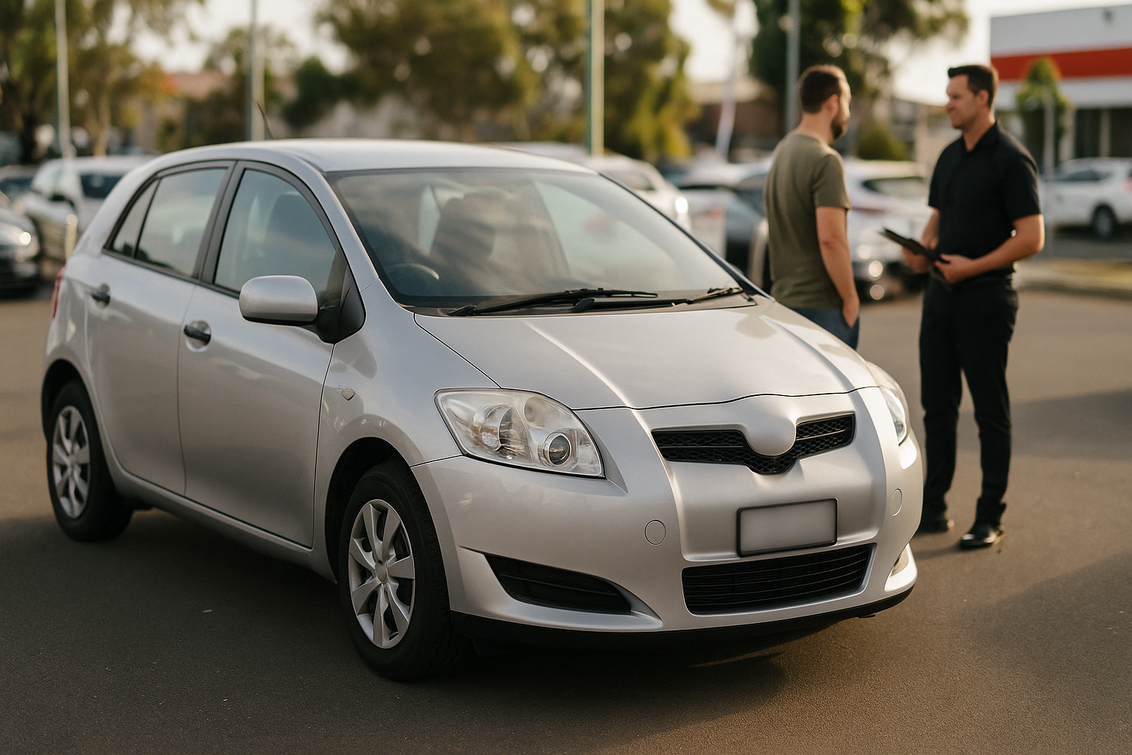
Tag: buyer checklist

  • Carsguide: Step-By-Step Used Car Buying Checklist and Risks

    Carsguide: Step-By-Step Used Car Buying Checklist and Risks

    Carsguide

    Estimated reading time: 10 minutes

    Key takeaways

    • Choose where to buy: dealer, private seller, or online—each has trade‑offs in price, protection, and convenience.
    • Budget beyond the sticker price: include stamp duty, rego transfer, insurance, servicing, and tyres.
    • Always run a PPSR check, verify history, inspect thoroughly, and test drive on mixed roads.
    • Know your rights: dealer purchases offer more protection than private sales in most cases.
    • Negotiate respectfully; if price won’t move, ask for extras like fresh rego or a service.

    Table of contents

    Thinking about buying a used car and browsing sites like this guide? This clear, step‑by‑step guide will help Aussie buyers choose well, check a vehicle properly, and avoid common traps. We’ll cover where to buy, what to budget, the checks you must do, and how to finalise the deal with confidence.

    At GoCarzSales, we help people into quality second‑hand trucks, vans, utes, minibuses and cars every day. Below is everything our team wishes every buyer knew before they shook hands on a used vehicle.

    Where to buy a used car (and how each option works)

    You can buy from three main places: a licensed dealer, a private seller, or an online marketplace that lists cars from dealers and private sellers, including specialist sites like CarsGuide. Each option has pros and cons explained in our guide.

    • Buying from a licensed dealer
      • Pros: More consumer protection, help with paperwork, and many cars come with a statutory warranty and a cooling‑off period in NSW (check the rules for your state). NSW Government guide to buying a used vehicle
      • Cons: Prices are often higher than private sales, and there may be dealer or processing fees.
    • Buying privately
      • Pros: Often cheaper, and there’s more room to negotiate the price.
      • Cons: Fewer protections. You do the checks and paperwork yourself, and scams are more common in unverified online spaces.
    • Buying via online platforms
      • Marketplaces can make searching easy and let you compare many cars fast, including stock from dealers and private sellers.
      • Be extra careful with sellers who don’t verify their identity, refuse inspections, or push you to pay before you’ve seen the car.

    Tip: No matter where you buy, use the same safety checks. A clean ad doesn’t always mean a clean car.

    Budgeting: the full cost (not just the sticker price)

    Set your total budget first. Include these common costs:

    • Purchase price.
    • Registration transfer and stamp duty (motor vehicle duty). See your state rules; in NSW, these are standard parts of a used‑car purchase. NSW Government guide to buying a used vehicle
    • Insurance.
    • Servicing and maintenance.
    • Repairs and tyres (older SUVs and utes can have higher running costs than small hatchbacks).

    If you’re comparing an SUV or ute with a small car, plan for the extra fuel, tyres, and service costs over time. Think beyond the driveway price so you don’t stretch your budget later.

    Key checks: safety, PPSR, inspection and test drive

    A careful check now can save you thousands later. Use this simple sequence.

    1. Shortlist safer cars
      Look up independent safety ratings for the exact year and model you’re considering (for example, Used Car Safety Ratings). Safer cars protect you and your family better.
    2. Run a PPSR check
      Use the VIN to check the Personal Property Securities Register (PPSR). This reveals if the car is stolen, written off, or still under finance. In NSW, this step is part of the standard guidance for buying used. NSW Government guide to buying a used vehicle
    3. Inspect the vehicle
      • Outside: Walk around the car. Look for mismatched paint, uneven panel gaps, bubbling paint (rust), overspray, and cracked lights.
      • Inside: Check seats, trim, odometer, and warning lights. Make sure all features work (air con, windows, infotainment).
      • Under the bonnet: Look for fluid leaks, brittle hoses, and signs of poor repairs.
      • Underneath (if safe): Look for damage, rust, and leaks.

      If you’re not confident, get an independent mechanic to inspect the car before you buy.

    4. Test drive on mixed roads
      Start cold if possible. Listen for knocks, rattles, and squeals. Check the steering tracks straight and the brakes feel strong and even. Try city streets and a bit of freeway if allowed.
    5. Verify the history
      Ask for service records and receipts. Make sure details match the car and the seller. Walk away if anything feels wrong.

    A simple step‑by‑step used‑car buying checklist

    • Set a firm budget including stamp duty, rego transfer, insurance and first service. NSW Government guide to buying a used vehicle
    • Shortlist makes and models known for reliability and safety.
    • Compare total running costs for body type (hatch, sedan, SUV, ute, van).
    • Line up finance if needed so you can decide fast. finance options
    • Search widely: licensed dealers, private sellers and trusted online platforms.
    • Check safety ratings, recalls and common issues for that model.
    • Run a PPSR check using the VIN before you place a deposit. NSW Government guide to buying a used vehicle
    • Inspect the car in daylight and dry weather if you can. Bring a friend.
    • Arrange an independent pre‑purchase inspection.
    • Test drive on different roads and speeds.
    • Negotiate. If a seller won’t budge on price, ask for extras instead (service, new tyres, or rego).
    • Finalise paperwork, transfer rego, and pay stamp duty promptly. NSW Government guide to buying a used vehicle

    If you want a safe bet, start with common, well‑reviewed models. The Toyota Camry, Toyota Corolla, Mazda CX‑5 and Mazda 3 are often stand‑outs for reliability and value in the used market. You’ll also find parts and service knowledge easily, which helps lower ownership costs over time.

    Risks to watch for (and how to avoid them)

    • Encumbrance (money still owed on the car). Do a PPSR check to spot this. NSW Government guide to buying a used vehicle
    • Odometer tampering or hidden accident damage. Inspect carefully and get an independent check.
    • Scams and pressure tactics in unregulated online spaces. Don’t pay a deposit until you’ve seen and checked the car. Meet in safe, public places.

    If a seller refuses reasonable checks or won’t share the VIN, walk away. There will always be another car.

    Need wheels for a week or two while you hunt? Renting can bridge the gap and keep you mobile. Services like Go With The Gecko offer flexible van and vehicle hire options. Gecko Live

    Check the inclusions, insurance, and excess so you know the drive‑away cost.

    Picking the right type of vehicle for your needs

    • Utes and trucks
      Great for payload and towing, and handy for work or weekend jobs. Check the compliance plate and owner’s manual for rated payload and towing limits. Make sure your licence and towbar setup match the task.
    • Vans and minibuses
      Ideal for moving people or gear. Look for sliding door condition, seat mounts, and cargo tie‑downs. Plan for higher fuel use than a small car. used vans
    • SUVs and crossovers
      Extra space and ground clearance. Compare tyre size and fuel type, as these affect running costs.
    • Small cars
      Easy to park and cheap to run. Good for city driving and first cars.
    • Fuel and engine choice
      Diesel can suit long highway trips and towing; petrol often suits short trips. Turbo engines can feel strong but may need extra care and timely servicing. Whatever you choose, stick to the service schedule.
    • Warranty and servicing
      Used cars from dealers may come with a statutory warranty depending on age and kilometres in your state. Ask about any dealer warranty, what it covers, and how claims work. NSW Government guide to buying a used vehicle
      Always review the service history. A complete logbook is a very good sign. vehicle inspection checklist

    How to get the best deal

    • Research the going market price for the same year, trim and kilometres.
    • Be polite, point out any issues found during inspection, and offer a fair price.
    • If the price won’t move, ask for extras like fresh rego, a full service, or new tyres.
    • Be ready to walk away. The best negotiating power is the willingness to keep looking.

    FAQs

    Is it better to buy from a dealer or a private seller?

    Dealers offer more protection and help with paperwork, and some cars have a statutory warranty and a cooling‑off period in NSW. NSW Government guide to buying a used vehicle Private sales can be cheaper, but you get fewer protections and must handle everything yourself.

    What is a PPSR check and why do I need it?

    The PPSR shows if the car is stolen, written off, or still under finance. It’s the simplest way to avoid buying someone else’s debt. NSW Government guide to buying a used vehicle

    How do I avoid buying a dud online?

    Verify the seller’s identity, inspect in person, run a PPSR check, and get an independent pre‑purchase inspection if possible. Don’t transfer money until checks are complete.

    Which used models are safe bets for reliability?

    The Toyota Camry, Toyota Corolla, Mazda CX‑5 and Mazda 3 are often top picks for reliability and safety in the used market.

    Do SUVs and utes cost more to run than small cars?

    Often yes—bigger tyres, higher fuel use, and sometimes higher service costs can lift ongoing expenses.

    Can I negotiate the price with a dealer?

    Yes. If price is tight, ask for extras instead—fresh rego, a full service, or accessories can be easier to approve.

    Conclusion

    Buying used doesn’t have to be stressful. Follow the steps above, use a PPSR check, inspect carefully, and know your rights. Whether you shop at a dealership, through a private sale, or platforms like CarsGuide, a little homework goes a long way.

    At GoCarzSales, we stock a wide range of second‑hand trucks, vans, utes, minibuses and cars. Explore our range, book a test drive, or ask us for a trade‑in valuation today. used trucks for sale used utes used vans trade‑in valuation finance options

    Important Disclaimer

    This article is general information only. It is not financial, legal, or mechanical advice. Always verify details yourself and with qualified professionals (for example, roadworthy checks, PPSR status, statutory warranty eligibility, towing and payload limits, and insurance). Check the latest rules with your state or territory authority. NSW Government guide to buying a used vehicle
  • Used Car Sales Newcastle: Buyer Checks, Costs and Protections

    Used Car Sales Newcastle: Buyer Checks, Costs and Protections

    Used Car Sales Newcastle

    Estimated reading time: 12 minutes

    Key takeaways

    • Decide early between dealer protections and the lower costs of private sales.
    • Set a full budget that includes stamp duty, rego transfer, insurance, and maintenance.
    • Prioritise safety and reliability; check UCSR ratings and service history.
    • Always do a PPSR check and book an independent inspection before paying.
    • Understand NSW buyer rights, including statutory warranties and cooling-off rules at dealers.
    • Test drive thoroughly and confirm paperwork, VIN, and seller ID match.

    Table of contents

    Used car buying in Newcastle: the NSW basics

    Thinking about used car sales in Newcastle? For a nationwide overview of the process, see this guide. This article will help you buy a second-hand car, ute, van, truck or minibus with confidence in Newcastle and across NSW. We’ll cover where to buy, how to budget, what to check, and your rights as a buyer.

    Buying a used vehicle is more than finding a good price. You need to think about safety, reliability, paperwork, and ongoing costs. The steps below follow NSW guidance for buying used vehicles, along with reputable buyer advice and this buyer checklist.

    • Licensed dealerships
      • Pros: Legal protections, help with paperwork, and statutory warranties on some vehicles. Some dealers also offer a cooling-off period in NSW. See the official NSW Government guide on buying a used vehicle.
      • Cons: Prices can be higher, and there can be sales pressure or add-on fees.
    • Private sellers — see our private sale guide
      • Pros: Often cheaper, with more room to negotiate.
      • Cons: Less protection than buying from a dealer. You must do all checks yourself and handle the paperwork. The NSW Government warns buyers to be vigilant and verify seller identity and documentation. See the NSW Government guide.
    • Online marketplaces (Carsales, Gumtree, Facebook Marketplace guide, dealer aggregator sites)
      • Pros: Big choice, easy to compare.
      • Cons: Higher scam risk. Always verify the seller, meet safely, and check all documents. The NSW Government highlights the need for caution on peer-to-peer platforms. See the NSW Government guide.
    • Short-term rentals (for try-before-you-buy or temporary needs)
      • If you only need a vehicle for a short stint—or want to test vehicle sizes before buying—consider hiring. Go With The Gecko offers flexible van, ute, and truck rentals with insurance and breakdown cover, plus online booking via Go With The Gecko and management via Gecko Live.

    Tip: Decide early whether you’re more comfortable with dealer protections or the lower costs of a private sale. This will shape your search.

    Budgeting for a used car in NSW

    Price is just one part of the cost. Plan for:

    • Registration transfer to your name, plus annual registration and motor vehicle duty (stamp duty). The NSW Government outlines these costs for buyers: NSW buyer costs and steps.
    • Insurance (compulsory third party plus your chosen cover).
    • Routine servicing, tyres, brakes, and unexpected repairs.
    • Potentially higher parts and repair costs for certain makes (especially European or less common models).

    Match the vehicle to your use. If you tow, carry loads, or drive long distances, factor in fuel use, tyre wear, towing hardware, and maintenance. Running costs vary widely by vehicle type and age.

    If you’re upgrading from a small hatch to a work-ready ute or truck, talk with your insurance and finance providers about likely costs. Consider fuel type (petrol, diesel, hybrid) and whether the savings fit your driving pattern. For many tradies in Newcastle, a diesel ute that suits payload and towing needs may make more sense than a smaller petrol car—but always compare total costs.

    Safety and reliability first

    A safe, reliable car is worth more than a short-term bargain.

    • Check Used Car Safety Ratings (UCSR). The NSW Government recommends reviewing UCSR (developed with Monash University and state transport agencies) when choosing a used vehicle: NSW buyer guidance.
    • Focus on models with a strong reliability record and modern safety features (like AEB, stability control, curtain airbags).
    • Popular used choices in Australia often include models such as the Toyota Camry, Corolla, Mazda CX-5, and Mazda 3.

    Also look for a car with:

    • Full service history
    • No accident damage
    • A clean interior and tidy engine bay
    • Tyres with even wear

    If you’re buying for work, check payload and towing limits and confirm the vehicle fits your tools or cargo. If you’re upgrading to a van for deliveries, make sure the cargo area dimensions work for your jobs. Consider future needs too—will you need roof racks, a tow bar, or extra seating?

    Pre-purchase checks that protect you

    Used car sales in Newcastle move quickly. Don’t skip the checks that protect your money.

    • Independent inspection
      • Book a pre-purchase inspection with a motoring organisation or a trusted mechanic. This can flag hidden faults and save thousands.
    • PPSR (finance owing) and history
      • Check the Personal Property Securities Register (PPSR) to see if money is owing on the vehicle and confirm it’s not reported stolen or written off. The NSW Government advises buyers to confirm finance status and vehicle history before paying: NSW buyer guidance.
    • Test drive
      • Drive the car on varied roads (urban and at 80–100 km/h if possible). Listen for noises, feel for vibrations, test brakes, and check all electrics and A/C.
    • Paperwork
      • Confirm seller ID matches the registration.
      • Confirm VIN/engine numbers match the vehicle and the papers.
      • Review service books and receipts.
    • Final walk-around
      • Look for paint overspray, uneven panel gaps, fresh underbody paint (could hide rust), and damp under carpets (leaks).
      • Check spare key, logbook, toolkit, jack, and wheel lock nut.

    Carry a simple checklist so you don’t miss anything. vehicle inspection checklist

    Your rights as a buyer in NSW

    • Dealer purchases
      • NSW dealers must meet consumer guarantees and, depending on the vehicle, provide statutory warranties. A cooling-off period may also apply to used car purchases from dealers. See the official NSW guide for details.
    • Private purchases
      • No automatic warranty applies with private sales. You must do your own checks, verify ownership, and be alert to possible scams. The NSW Government stresses extra caution with private and online sellers: NSW buyer guidance.

    If something feels off—walk away. There are plenty of used cars for sale in Newcastle, so don’t rush a risky deal.

    Buying channels at a glance: pros, cons, protections

    • Dealership
      • Pros: Legal protections, possible warranty, cooling-off period, help with paperwork. See the NSW Government guide.
      • Cons: Often higher prices, sales pressure.
    • Private seller
      • Pros: Lower prices, more room to negotiate.
      • Cons: No automatic warranty, you handle all paperwork, more risk. See the NSW Government guide.
    • Online marketplace
      • Pros: Large choice, easy price comparison.
      • Cons: Higher scam risk; verify identity and documents carefully. See the NSW Government guide.
    • Rental (try-before-you-buy)
      • Pros: Short-term access to a ute, van, or truck; can help you confirm size and practicality before buying. Try Go With The Gecko.
      • Cons: Not a purchase; daily rates apply.

    Try-before-you-buy: short-term rentals in Newcastle

    If you’re unsure whether you need a small van or a long-wheelbase high roof, or whether a dual-cab ute suits the family and the job site, hiring for a week can help. Go With The Gecko offers short- and long-term van, ute, and truck rentals, with flexible booking, insurance and breakdown cover, and an online management tool, Gecko Live: Go With The Gecko and Gecko Live.

    This is also handy if you’ve sold your old car and need transport while waiting for delivery.

    Choosing the right type of vehicle for Newcastle life

    Newcastle driving takes you from city streets to coastal roads and up the Hunter. Pick a vehicle that suits your routine.

    • City and family use: Hatchbacks and small SUVs are easy to park and economical. Think safety ratings and child-seat needs.
    • Trades and towing: Utes and light trucks deliver payload, towing and ground clearance. Confirm tow ratings, GVM, and payload to match your tools and trailer.
    • Small business and deliveries: Vans offer secure cargo space and simple load-in. Measure your gear and choose the right wheelbase and roof height.
    • Weekend escapes: Medium SUVs strike a balance between space, comfort and economy.

    If you’re shopping for work-ready options, explore used utes, used vans, and used trucks for sale. If you’re upgrading from a hatch to an SUV, consider fuel type, boot space, and safety tech.

    Where to research models, reviews and ownership costs

    • Read independent reviews and buyer guides to compare models, features, and running costs. CarsGuide offers comparisons, ownership insights, and reliability notes.
    • For how-to articles and buyer checklists tailored to Aussie conditions, browse the GoCarz Sales Blog.
    • If you scan online marketplaces, remember: verify seller identity, inspect carefully, and do a PPSR check. The NSW Government outlines due diligence steps for online and private sales: NSW buyer guidance.

    A practical step-by-step plan

    Use this simple plan to buy with confidence.

    1. Set a realistic budget
      • Include the purchase price, transfer fees, stamp duty and annual rego, insurance, and a maintenance buffer. See the NSW Government’s buyer guidance.
      • If considering certain European or premium brands, budget for sometimes higher parts and service costs.
    2. Shortlist models that fit your use
      • Check UCSR safety ratings and look for strong reliability. See the NSW Government guide.
      • Popular used options in Australia often include the Toyota Camry, Corolla, Mazda CX-5 and Mazda 3.
    3. Search across channels
      • Compare dealer stock with private listings and online marketplaces to see typical prices in Newcastle. Be vigilant with online sellers. See the NSW guidance.
    4. Inspect the car in daylight
      • Check body, tyres, interior, and under-bonnet. Look for rust, leaks, and signs of crash repair. Bring a checklist or a friend who knows cars.
    5. Book an independent inspection
      • A professional inspection can expose hidden problems and help you negotiate.
    6. Test drive properly
      • Allow enough time. Drive at different speeds, test brakes, steering feel, A/C, infotainment, and reversing camera or sensors.
    7. Do the PPSR and history checks
      • Confirm there’s no finance owing, and whether the car has been written off or stolen. Start with the NSW buyer checklist.
    8. Confirm your insurance
      • Get a quote and coverage start date before you drive away.
    9. Negotiate and confirm the deal in writing
      • Record agreed price, inclusions (RWC, rego, spare keys), and deposit terms.
      • If buying from a dealer, ask about any cooling-off period and statutory warranty details under NSW rules. See the NSW Government guide.
    10. Complete transfer and pay securely
      • Use secure payment, complete the transfer and any required forms, and lodge them on time. Keep copies of everything.

    If you’re trading in your old vehicle, get a clear written valuation and compare it to a private sale estimate to see which route suits your budget. trade-in valuation If you plan to finance your purchase, explore your lender options and compare rates and fees. finance options

    Risks to avoid (and how to cut them)

    • Unverified sellers on marketplaces
      • Meet in safe places, confirm ID, and never pay before you see the car. The NSW Government urges caution with online and private sellers: NSW buyer guidance.
    • “Too good to be true” pricing
      • If it’s far below market, there’s usually a reason. Walk away if anything feels off.
    • Skipping the PPSR check
      • If money is owing, the car could be repossessed. Always check first. See the NSW guide.
    • Ignoring parts and servicing costs
      • Some vehicles have pricier parts or longer wait times for components; this can bite later.
    • Rushing the test drive and inspection
      • Short drives hide problems. A proper inspection and extended drive can reveal issues.

    Conclusion

    Used car sales in Newcastle are competitive, with plenty of choice across dealers, private listings and online platforms. The safest way to a good deal is simple: set a full budget, focus on safety and reliability, check the history and PPSR, book an independent inspection, and understand your rights under NSW rules. With a calm, step-by-step approach, you’ll find the right car, ute, van or truck for your life in the Hunter.

    Call to Action

    Ready to upgrade? Explore our stock, book a test drive, or get a quick appraisal of your trade-in with GoCarzSales today. We’re here to help you compare options, understand total ownership costs, and drive away happy. used trucks for sale used utes used vans trade-in valuation finance options

    Important Disclaimer

    This article provides general information only and is not financial, legal, or mechanical advice. Always verify details for your situation, including roadworthy, PPSR status, warranty coverage, and any towing or payload limits. For rules and processes in NSW, consult official state guidance, and seek advice from qualified professionals as needed.

    FAQs: Used car sales Newcastle

    What paperwork do I need when buying a used car in NSW?

    You’ll need proof of ownership, ID, registration details, and you should do a PPSR check to confirm there’s no finance owing and that it hasn’t been written off or stolen. If buying from a dealer, ask for warranty and cooling-off details. See the NSW Government’s buyer guidance for the key steps and documents.

    Do dealers have to give a warranty on used cars?

    In NSW, dealers must meet consumer guarantees and may need to provide a statutory warranty depending on the vehicle, with a possible cooling-off period. Check what applies to your purchase in the official NSW Government guide.

    How do I check if money is owing on a used car?

    Run a PPSR search using the VIN to see if there’s finance owing or if the car has been written off or stolen. This is a critical step recommended by the NSW Government.

    Are European cars more expensive to maintain?

    Often, parts and servicing can cost more, and some components may be harder to source. Budget accordingly if choosing a European or less common brand.

    Should I pay a deposit?

    If you pay a deposit, get the terms in writing, including whether it’s refundable and under what conditions. If buying from a dealer, ask about any cooling-off period in NSW and how it applies to deposits. See the NSW Government guide.

  • Private Used Car Sales Melbourne: Step-By-Step Buyer Checklist

    Private Used Car Sales Melbourne: Step-By-Step Buyer Checklist

    Private Used Car Sales Melbourne

    Estimated reading time: 13 minutes

    Key takeaways

    • Private sales can be cheaper but come with fewer consumer protections than licensed dealers.
    • Set a full budget including stamp duty, transfer fees, insurance, and maintenance.
    • Always run a PPSR/regi check, verify the VIN, and cross-check the service history.
    • Inspect in daylight, test drive on mixed roads, and consider an independent inspection.
    • Know your state’s rules and timelines before you pay or transfer ownership.
    • Walk away if details don’t add up—there are plenty of cars in Melbourne.

    Table of contents

    Private sale vs dealer: what’s the difference?

    Thinking about private used car sales in Melbourne? This guide shows you how to buy a second‑hand car, ute, van or truck with confidence. We explain steps, checks, risks, and paperwork so you can shop smarter for used cars in Melbourne. For a deeper overview, see our guide to used car sales and pre‑purchase checks.

    Private sales can offer lower prices because there’s no dealer margin, but consumer protections are limited. Licensed dealers must meet more obligations and often provide warranties and cooling‑off periods, which give you more safety as a buyer. See the NSW Government guide for examples of these protections.

    Be extra careful with private listings where sellers aren’t verified. Scams and odometer tampering are more common in private sales. The NSW Government guide outlines warning signs to watch for.

    “Demo” cars used as showroom demonstrators can be good value, but they are still considered used vehicles and should be checked like any other second‑hand car. See the NSW Government guide for detail.

    For research and model reviews, reputable platforms like CarsGuide can help you compare options.

    Step 1: Set your budget (include all costs)

    Plan for more than just the sale price. Include registration transfer and annual registration, insurance, stamp duty, plus ongoing maintenance and repairs. Our broader used-car guide explains typical on‑road costs.

    The NSW Government’s checklist is also a helpful budgeting prompt: see the NSW Government guide. A simple budgeting tool like the Moneysmart planner can help you set limits. Insurance and maintenance costs can vary a lot by model and age.

    Tip: If you’re considering a work vehicle, be clear on payload, towing needs, and maintenance intervals from the start. This helps you compare a ute, van, or light truck properly. When you’re ready, see our stock: used trucks for sale, used utes, used vans.

    Step 2: Choose where to buy

    You have three main options:

    • Licensed dealership. You’ll usually get consumer protections such as statutory warranties and sometimes a cooling‑off period. See the NSW Government guide for examples.
    • Online platforms. Places like CarsGuide help you browse and compare listings across Melbourne.
    • Private sellers. Often cheaper, but you carry more risk and fewer protections. Be cautious on platforms that don’t verify sellers; scams and odometer issues are more common. See the NSW Government guide for red flags.

    Demo vehicles (ex‑demonstrators) can be sharp buys but are still used cars and should be inspected and checked like any other pre‑owned vehicle. The NSW Government guide explains what to look for.

    Step 3: Research and shortlist

    Start with your needs. Consider city vs country driving, safety features, boot or cargo space, fuel economy, emissions rating, and insurance costs. Use pricing resources to check market value for the model, year, and trim you’re considering. Narrow your list to three to five vehicles that fit your budget and needs.

    For emissions and running‑cost comparisons, the Green Vehicle Guide and emissions ratings are handy tools referenced by consumer experts. If theft risk matters to you, check theft ratings via the National Motor Vehicle Theft Reduction Council.

    Step 4: Run vehicle history and identity checks

    Before you arrange a private inspection, get the VIN (or chassis number) from the seller. Then:

    • Do a rego check and a PPSR (Personal Property Securities Register) search. A PPSR report helps reveal if the car is recorded as stolen or written‑off, and whether there’s finance still owing on it. See official guidance in the NSW Government guide. You can also refer to our quick steps in this buying guide.
    • Cross‑check the details in the ad, the logbook, and the odometer reading. Make sure the numbers line up and service dates make sense.
    • In NSW, free rego checks show the expiry date, registration restrictions, the last three odometer readings, and CTP status. See the NSW Government guide for what a thorough check includes.

    If anything doesn’t add up, walk away. There are plenty of other cars on the market in Melbourne.

    Step 5: Inspect the vehicle in daylight

    Book the inspection in full daylight and meet at the seller’s home, not a random car park. Take your time. Better yet, bring a friend for a second set of eyes. For a pre‑inspection prep, see our simple used‑car check tips.

    Use this simple inspection list:

    • Exterior: Look along the body for paint mismatches, overspray, uneven panel gaps, fresh sealant, rust, hail damage, and underbody dents.
    • Tyres and wheels: Check tread depth, wear pattern, and any sidewall damage. Make sure the spare, jack and tools are present.
    • Lights and lenses: Test headlights (low/high beam), indicators, brake lights, reverse lights, fog lights, and the interior light.
    • Glass and mirrors: Check for chips and cracks on the windscreen and windows.
    • Interior: Check seat wear, seatbelts, carpets, headliner, dash warning lights, air‑con, heater, infotainment, reversing camera, and power windows/locks.
    • Under the bonnet: Look for fluid leaks, oil level and condition, coolant level, belts/hoses condition, and any unusual smells.
    • Keys and remotes: Make sure all keys are present and remotes work.
    • Service history: Ask to see the service handbook. Confirm maintenance is up to date and matches manufacturer intervals.

    If you’re not mechanically minded, consider a paid independent inspection—especially for a private sale. A mechanic may spot problems the average buyer misses.

    Tip: Save or print a checklist before you go. vehicle inspection checklist

    Step 6: Take a thorough test drive

    A proper drive tells you much more than an idling engine. On your route, include:

    • Cold start: Listen for rattles, knocks, rough idle, or smoke at start‑up.
    • Urban loop: Test low‑speed steering, brakes, and suspension over speed humps. Listen for interior rattles.
    • Open road: Get to 80–100 km/h, check straight‑line stability and braking. Note engine and tyre noise.
    • Parking: Try tight turns and reverse. Check for steering noises or shudder.

    Assess comfort, visibility, seat support, and whether the vehicle fits your daily needs. Keep the radio off so you can hear everything. Bring a trusted family member or friend to ride along—they may notice issues you miss.

    Step 7: Final checks and negotiation

    Before you hand over any money:

    • Paperwork: Confirm the VIN matches the rego papers and the PPSR report. Review the service history and roadworthy certificate (if supplied).
    • Warranty and cooling‑off: Clarify what you’re getting. Cooling‑off periods and statutory warranties are common at licensed dealers, but not in private sales. See how dealer protections can work in the NSW Government guide.
    • Ask direct questions: Has the car been in any accidents? Any flood or hail damage? Any modifications?
    • Negotiate firmly but fairly: good, well‑maintained cars are still in demand, even if prices have softened in some areas recently.

    If anything feels off, walk away. The right car is out there.

    Rules vary by state. Our overview of interstate differences is here: used‑car sales guide. If you buy in NSW, you must transfer the registration into your name within 14 days or you can be fined; see the NSW Government guide. NSW also provides statutory warranties and cooling‑off periods when you buy from a licensed dealer, but these usually don’t apply to private sales. Take extra care with odometer readings and compare them to service book entries; the NSW Government guide explains the checks.

    For Melbourne buyers, confirm current Victorian requirements (e.g., roadworthy, transfer timelines, duties) with the relevant state authority before you purchase.

    Step 9: Factor in environmental and security considerations

    • Environment and fuel use: Compare fuel economy and emissions using the Green Vehicle Guide and emissions star ratings.
    • Theft risk: Some models attract thieves more than others. Check theft ratings via the National Motor Vehicle Theft Reduction Council.

    Choosing a more efficient and safer model can save money and stress over the long run.

    Step 10: A simple 10‑step plan for private used car sales in Melbourne

    Use this quick checklist to keep the process on track:

    1. Define your needs and budget, including on‑road costs, insurance, and maintenance.
    2. Decide where to buy: dealer, online platform, or private seller (understand the protections and risks). See the NSW Government guide for examples.
    3. Research models, fuel types, and prices; build a shortlist of three to five options.
    4. Arrange a PPSR/rego check using the VIN to rule out stolen/written‑off status or finance owing. Steps outlined in the NSW Government guide.
    5. Inspect the car in daylight and review the service book.
    6. Take a thorough test drive on mixed roads.
    7. Consider an independent mechanical inspection for private sales.
    8. Confirm paperwork (VIN, service history, rego). Clarify warranty and cooling‑off rights before money changes hands.
    9. Negotiate based on condition, history, and market value.
    10. Transfer ownership and complete paperwork promptly as required in your state (for example, NSW has a 14‑day transfer window per the NSW Government guide).

    Practical tips to avoid common traps

    • Meet the seller at their home and check their ID against the registration details.
    • If the price looks too good to be true, it probably is. Compare against market values.
    • Beware freshly detailed engines or underbodies hiding leaks or damage.
    • Watch for mismatched tyres, warning lights, or missing service stamps.
    • If the story changes (e.g., “selling for a friend”), slow down and double‑check everything.

    Private used car sales for work vehicles

    • Match the vehicle to the job: payload, towing, cargo layout, and access (sliding doors for vans, tray length for utes).
    • Estimate running costs: fuel, tyres, servicing, and insurance for that vehicle type.
    • Consider a demo or ex‑fleet vehicle if you want a newer model at a lower price (still a used car; inspect and verify history). See guidance in the NSW Government guide.

    If you later decide that dealer support suits you better, GoCarzSales can help you compare options and finance. finance options

    Conclusion

    Private used car sales in Melbourne can deliver great value if you plan well and do the checks. Set a full budget, shortlist smartly, run a PPSR and rego check, inspect in daylight, test drive thoroughly, and confirm paperwork before paying. Where you buy matters: dealers offer added protections, while private sales require more diligence. Use the steps above to stay safe and confident.

    Ready to find your next vehicle?

    • Explore our range of quality used vehicles today: used trucks for sale, used utes, used vans.
    • Want flexible repayments? Ask about finance options.
    • Have a car to trade? Get a quick trade-in valuation.
    • Prefer a test drive? Book a time and we’ll get you on the road.

    We’re here to help Melbourne buyers find the right car at the right price, with honest advice and a friendly team.

    Important Disclaimer

    This article is general information only. It is not financial, legal, or mechanical advice. Always verify details yourself, including roadworthy, PPSR/rego checks, warranty terms, towing and payload limits, and transfer requirements. Consult qualified professionals or your relevant state authority for advice on your situation.

    FAQs: Private used car sales in Melbourne

    What’s the main difference between a private sale and buying from a dealer?

    Buying from a licensed dealer usually includes consumer protections such as statutory warranties and sometimes a cooling‑off period. Private sales typically don’t include these protections. For examples, see the NSW Government guide.

    What is a PPSR check and why do I need one?

    A PPSR search (using the VIN) helps you see if a vehicle is stolen, written‑off, or has finance owing. It’s a key step when buying privately. See official guidance in the NSW Government guide and our quick buying guide.

    Are demo cars “used” cars?

    Yes. Demo cars are still considered used and should be inspected and checked like any other used vehicle. See the NSW Government guide for tips.

    Is there a cooling‑off period on private sales?

    Cooling‑off periods usually apply at licensed dealerships, not private sales. Always confirm what applies before you pay or sign.

    How can I avoid odometer fraud?

    Cross‑check odometer readings against the service book and any available registration records, and be cautious on platforms that don’t verify sellers. The NSW Government guide lists signs of tampering.