Category: General

  • Carsales Used Car Buying Guide: Steps, Risks and Protections

    Carsales Used Car Buying Guide: Steps, Risks and Protections

    Carsales

    Estimated reading time: 12 minutes

    Key takeaways

    • Set a total ownership budget before you browse, including fuel, insurance and servicing.
    • Shortlist reliable models and check fair value using market data and comparable listings.
    • Decide dealer vs private: stronger protections and warranty vs lower upfront price.
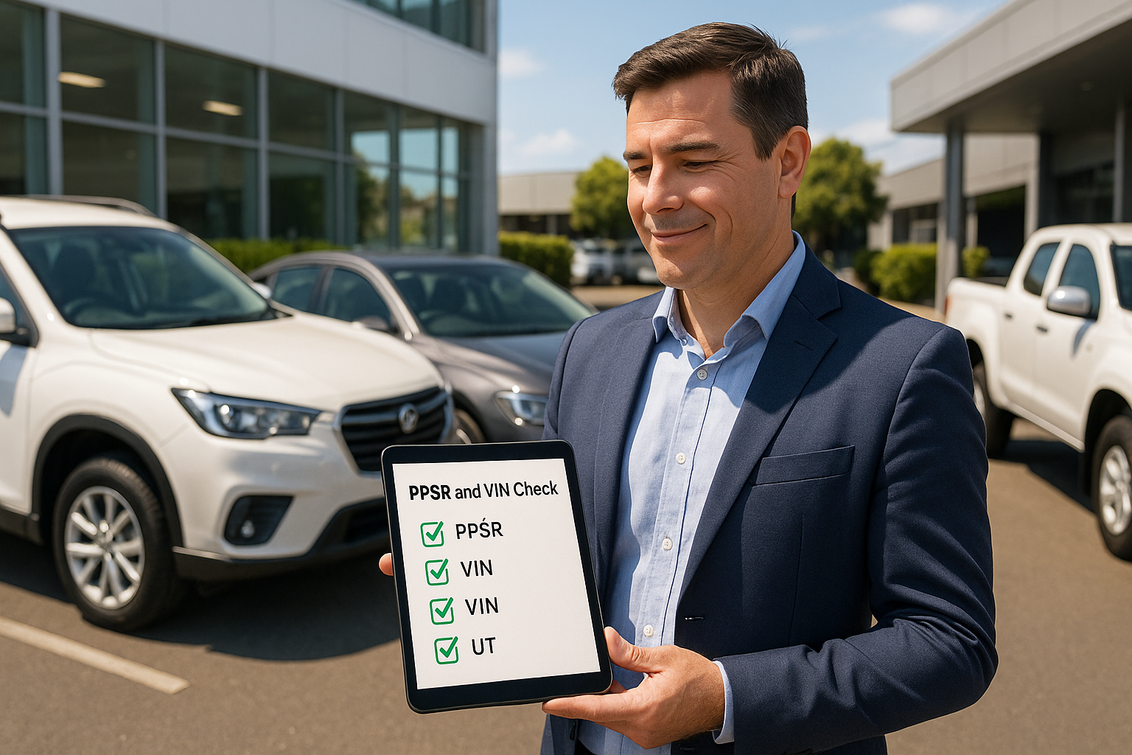
    • Always run a PPSR, test drive thoroughly and book an independent inspection.
    • Use today’s softer market to negotiate with confidence and be ready to walk away.

    Looking for a used vehicle on Carsales? This plain-English guide shows you how to shop smart for second-hand cars, vans, utes, minibuses and trucks in Australia, whether you’re buying via Carsales, other online platforms, a private seller, or a licensed dealer. We’ll cover budgeting, research, inspections, vehicle history checks, warranties, and negotiation, so you can buy with confidence.

    Carsales, online platforms, and how Aussies shop now

    Most buyers now start online. You’ll find huge choice on marketplace sites like Carsales, along with other platforms such as the review and listing site CarsGuide, the CarsGuide buying guide, Gumtree and Drive. These sites make it easy to filter by price, location, body type, transmission, fuel type and more.

    Dealers also list their stock online, so you can compare dealer-backed vehicles (with warranty and legal protections) against cheaper private-sale cars (usually sold “as-is”).

    Step 1: Set your budget and needs

    Before you browse, set your budget and be honest about how you’ll use the vehicle. Plan for the full cost of ownership: purchase price, finance, insurance, registration, fuel, tyres, servicing and repairs. Think about how long you’ll keep it.

    Match the car to your lifestyle:

    • City commuter? Look for a small, fuel-efficient hatch — try this Hyundai i30 buying guide — or a sedan.
    • Tradie or courier? A ute or van with the right payload and cargo space.
    • Family? A safe, comfortable SUV or people-mover.
    • Touring or off-road? A 4×4 with suitable clearance and towing capacity.

    If you’re a first-time buyer, a low‑kilometre used car often offers better value than new, because someone else has worn the initial depreciation.

    Step 2: Research models and market value

    Shortlist three to five likely models, then dig into reliability and running costs. Independent owner reviews and expert guides are helpful. Use respected sources like RACQ, RedBook and CarsGuide to compare reliability ratings, common faults and fair pricing bands.

    Popular, dependable choices for many Aussie buyers include Toyota Corolla, Mazda 3, Ford Ranger, plus a range of Nissan and Honda models. They’re known for durability, efficiency and reasonable maintenance costs.

    To assess fair value, check market prices for make, model, year, trim, kilometres and condition using RedBook estimates and current listings on CarsGuide. This gives you a target price range before you message a seller or step onto a yard.

    Pro tips:

    • Favour complete service history and fewer owners.
    • Cross-check recent timing belt/chain, transmission service, and common wear items.
    • Compare the same spec (engine, trim, drivetrain) to avoid apples-to-oranges pricing.

    Step 3: Where to buy — dealer, private seller, or online marketplace?

    You can buy from:

    • Licensed dealers: Expect cooling‑off periods (in some states), on-site finance, and legal protections. In Victoria, for example, licensed traders must provide a statutory warranty on many used cars (often 3 months/5,000 km for qualifying vehicles under 10 years old and under 160,000 km). Dealers may charge more, but you get stronger protections.
    • Private sellers: Usually cheaper, but higher risk. Sales are generally “as‑is,” with no warranty, so your checks and inspections matter even more.
    • Online platforms: Use sites like CarsGuide, Carsales, Gumtree and Drive to compare similar vehicles, gauge market value, and shortlist options near you.

    If you want legal backup and a minimum safety net, buying from a licensed dealer can be safer—especially if you’re not mechanically savvy. If you’re experienced and happy to organise inspections yourself, a private sale could save you money.

    Step 4: Pre-purchase checks and inspections

    A careful check is non-negotiable. Do the following before you commit.

    1. PPSR (Personal Property Securities Register) check
      Always run a PPSR check using the VIN or chassis number. It costs a few dollars and confirms if the vehicle is recorded as stolen, written-off, or has finance owing. This protects you from repossession or hidden history.
    2. Test drive and visual inspection
      Inspect in daylight. Check paint, panels and gaps for mismatched colours or repaired damage. Look over the interior, seats and controls. Inspect tyres (even wear), lights, wipers, and warning lights on start-up. Peek under the bonnet for leaks and uneven idling, and look underneath for rust or damage. Test drive at varied speeds and on different road surfaces if possible.
    3. Independent mechanical inspection
      For private sales, book an independent pre‑purchase inspection. Even with dealer cars, an external check can be worth it—especially on older or higher‑kilometre vehicles. Ask for a Roadworthy Certificate (RWC) where applicable and review the service logbook in detail.
    4. History and paperwork
      Confirm the recorded odometer, past ownership, accident history (if available), and registration expiry. Check any remaining warranty details and any cooling‑off terms. Keep copies of everything.

    Complete buying checklist (tick these off):

    • Run a PPSR search using the VIN.
    • Test drive on different roads and speeds.
    • Inspect interior, exterior, engine bay and underbody.
    • Get an independent mechanical inspection.
    • Review service history, RWC (where applicable) and registration status.
    • Confirm dealer warranty/cooling‑off period (if buying from a licensed dealer).
    • Ask the seller direct questions (reason for sale, issues, accidents, modifications).
    • Negotiate using market data (RedBook estimates and current listings) and walk away if it doesn’t add up.

    Tip: Bring a trusted friend or expert when you inspect and negotiate—an extra set of eyes helps spot red flags and keeps emotions in check. See our vehicle inspection checklist.

    Step 5: Financing and negotiation

    Finance

    • Car loans can offer lower rates than general personal loans, but compare total costs, fees and flexibility.
    • Consider how long you’ll keep the vehicle and your monthly budget before locking in a term. Explore your finance options.

    Negotiation

    • Use RedBook and active listings on CarsGuide to set your target price based on the exact model, year, trim and condition.
    • Since the used market has cooled from the 2023 peak—particularly in NSW and Victoria—be confident bargaining. Private sales are typically cheaper than dealer prices, but you trade off warranty and legal protections.
    • Bring a friend for support, and don’t be afraid to pause, think, or walk away.

    If you have a current vehicle, a trade‑in can simplify changeover and reduce your loan size. Bring your service records and be realistic about condition to get a fair trade value. trade-in valuation

    • Private sale risk: No statutory warranty and limited recourse if issues appear after purchase. You must rely on your own checks and an independent inspection.
    • Dealer protection: Licensed dealers must follow Fair Trading laws and, in some states, provide cooling-off periods and statutory warranties on qualifying used cars.
    • State-by-state rules: Protections vary—for example, rules in Victoria and NSW differ, and auctions or private sales may not include warranty. Always check your local state authority’s guidance before you buy.
    • WA: The PPSR search can be accessed via official channels; always use the VIN to avoid errors.

    Choosing a reliable used model (cars, utes, vans and more)

    If you’re not sure where to start, add these proven performers to your shortlist:

    • Toyota Corolla and Mazda 3 for dependable, efficient commuting.
    • Ford Ranger and popular Nissan or Honda models for robust drivetrains and broad parts availability.

    Think about your use case:

    • Utes: Payload for tools, ladder racks or canopies, and 4×4 for worksites if needed. used utes
    • Vans: Cargo volume, sliding doors, tie-down points and reversing aids. used vans
    • Trucks and minibuses: Check seating configuration, GVM/GCM and licencing requirements. used trucks for sale
    • SUVs and family cars: Rear-seat space, child-seat anchorage points, boot size and safety features.

    Across all body types, service history, careful ownership and a clean PPSR are strong signs of a good buy.

    Smart shopping on Carsales-style marketplaces

    • Filter by tight price and kilometre ranges to cut noise.
    • Prioritise listings with clear photos, service history, rego details and VIN for a PPSR check.
    • Compare at least three similar vehicles to confirm fair value using RedBook estimates and CarsGuide listings.
    • Be mindful of private versus dealer trade-offs: a cheaper price isn’t cheap if you inherit a hidden problem.

    Avoiding common pitfalls

    • Skipping the PPSR check: This can leave you exposed to stolen or encumbered vehicles. Always check the VIN.
    • Not booking a pre‑purchase inspection: It’s the best money you’ll spend on a used car, especially in private sales.
    • Ignoring state rules: Cooling‑off, warranty and RWC requirements vary. Check with your local authority and understand what your purchase includes.
    • Rushing the deal: Prices have eased since the 2023 peak in some states—use this to your advantage and negotiate calmly.

    First-time buyer tips

    • Look for a low‑kilometre, well‑maintained used car rather than new to get more car for your budget.
    • Shortlist easy-to-drive models with good visibility and safety features.
    • Avoid complex modifications; stick with vehicles in original condition where possible.
    • Bring a trusted friend or mechanic to the inspection and test drive.

    Practical scenarios and checklists

    1) Daily commuter

    • Shortlist: Toyota Corolla, Mazda 3 or a similar small hatch/sedan — see the Hyundai i30 buying guide.
    • Focus on low fuel use, easy parking, and up-to-date servicing.
    • Use CarsGuide to compare running costs and owner feedback.

    2) Tradie or delivery driver

    • Shortlist: Diesel ute or mid-size van with suitable payload and cargo layout.
    • Check service history for heavy use, suspension wear, and clutch condition.
    • Verify VIN and run PPSR; book a pre-purchase inspection.

    3) Family upgrade

    • Shortlist: SUV — try this Mitsubishi Outlander guide — or a people-mover with a solid safety record.
    • Check seat layout, child-seat points and boot space.
    • Confirm any dealer warranty and cooling-off terms if buying from a trader.

    4) Weekender and touring

    • Shortlist: 4×4 ute or SUV — see the Subaru Forester guide — with the features you need.
    • Inspect underbody, tyres and driveline carefully; look for signs of off-road abuse.
    • Verify any accessories are compliant and insured; ask for receipts and RWC where applicable.

    Conclusion

    Buying used through Carsales or any marketplace is easier when you have a plan. Set your budget and needs, shortlist reliable models, check market value, and complete every step of the inspection and PPSR process. Choose between dealer protections and private-sale savings based on your risk comfort, and use today’s softer market to negotiate a fair price.

    At GoCarzSales, we stock quality second-hand utes, vans, minibuses, trucks and passenger cars, all hand-picked for everyday reliability. Ready to take the next step? Explore our latest vehicles, book a test drive, or chat about finance and trade-ins today. used utes used vans used trucks for sale finance options trade-in valuation

    Important Disclaimer

    This article is general information only and is not financial, legal or mechanical advice. Always verify details yourself (including PPSR status, service history, registration, warranty, cooling‑off rights, RWC, and any towing or payload limits) and consult qualified professionals or your relevant state authority before buying.

    FAQs

    What is a PPSR check and why does it matter?

    It’s a national register that shows if a vehicle is stolen, written-off or has finance owing. Run it using the VIN before you pay any deposit. It only costs a few dollars and can save you from major headaches.

    Do I get a warranty with a used car?

    Private sales are usually “as-is” with no warranty. Licensed dealers offer stronger protections under Fair Trading laws, and some states require statutory warranties on qualifying vehicles. In Victoria, for example, buyers may get a 3‑month/5,000 km warranty on certain used cars meeting age and kilometre limits when purchased from licensed traders.

    Are used car prices dropping?

    Yes, the market has cooled since the 2023 peak in several areas, including NSW and Victoria. Use this shift, plus RedBook estimates and active listings, to negotiate.

    Should I buy from a private seller to save money?

    Private sales can be cheaper, but you miss warranty and formal protections. If you go private, be extra thorough: run a PPSR, book a pre‑purchase inspection, confirm full service history and test drive carefully.

    What paperwork should I ask for?

    Ask for the service logbook, RWC (where applicable), registration details, proof of ownership, and any warranty or cooling-off paperwork if buying from a dealer.
  • John Hughes Used Cars – Essential Checklist and Buying Guide

    John Hughes Used Cars – Essential Checklist and Buying Guide

    John Hughes Used Cars

    Estimated reading time: 12 minutes

    Key takeaways

    • Set a clear budget that includes total ownership costs.
    • Always run a PPSR and VIN history check before paying.
    • Book an independent pre‑purchase inspection and read the logbook.
    • Match payload, towing and safety features to your real needs.
    • Choose the buying channel (dealer/private/auction) that fits your risk tolerance.
    • Negotiate with evidence and use secure, traceable payment.

    Table of contents

    Looking for John Hughes used cars and want to make a smart choice? This guide will help you compare any dealer’s stock with confidence, and it applies just as well at GoCarzSales. We’ll walk through the key checks, how to set a budget, what to look for on a test drive, and the simple steps to protect your money.

    Our aim is simple: help you choose a safe, good‑value used car, ute, van, truck or people mover that suits your life and work. We use trusted Australian guidance throughout, and we explain why each step matters so you can move from shortlist to test drive with clarity.

    A clear budget makes the rest easy. Start by researching what similar vehicles are selling for by year, model and trim. Independent pricing guides can help you sense‑check asking prices and spot outliers. Next, look at the full cost of ownership. This includes rego, insurance, servicing, tyres, and fuel. Build in a small buffer for the first service and any fresh consumables.

    Rules and paperwork can vary across states and territories, so always check what your local authority requires for transfers, inspections and fees. If you’re buying interstate, confirm what you need at both ends before you commit.

    Tip: Make a short, focused wishlist.

    • Seating and cargo needs (kids, tools, wheelchair, pram, pets)
    • Fuel type (petrol, diesel, hybrid)
    • Transmission (auto/manual)
    • Towing or payload targets
    • Safety features you value
    • Budget ceiling

    This keeps you on track when you’re comparing cars at any dealer, including bigger yards like John Hughes, or a local independent.

    The essential used‑car checklist (do these before you buy)

    Work through these steps for every vehicle you’re serious about:

    1. Run a PPSR check
      Do a PPSR (Personal Property Securities Register) check before you hand over a cent. It costs about $2 and confirms if the car is free of finance, reported stolen, or written off. It’s fast, cheap, and protects you if the previous owner still owes money.

    2. Get a full history report using the VIN
      A history report (using the VIN) can show key past events and data, such as previous sales, safety ratings, finance owing, and odometer details. This helps you spot tampering and gives a clearer picture of how the car was treated across states and territories.

    3. Book a pre‑purchase inspection
      Use a qualified inspector or trusted mechanic to assess the car’s mechanical condition before you buy. A proper inspection can save you thousands by finding hidden faults or wear. If the seller resists a third‑party inspection, consider it a red flag.

    4. Check the logbook and service history
      Read the service logbook. Look for regular services at the right intervals, timing belt/chain changes when due, and any major repairs. Gaps or vague entries can mean extra risk and cost.

    5. Do a thorough test drive
      Drive at urban speeds and on a highway. Listen for knocks, rattles, or whining. Check:

      • Cold start behaviour and idle quality
      • Smooth gear shifts and clutch take‑up
      • Straight tracking and brake feel
      • Air‑con performance and all electrics
      • Tyre wear pattern (even wear is good)
      • Visibility, seating comfort, child‑seat anchor points
    6. Confirm the paperwork and ID
      Match the VIN on the car, on the compliance plate, in the logbook, and on the PPSR and history report. Confirm any factory recalls have been done. Ask for all keys, manuals, accessories and any receipts for recent work.

    7. Agree on any fixes in writing
      If the seller agrees to fix items, put the details in writing with clear dates. If it’s a dealer warranty, read what’s covered and for how long. Keep copies of everything.

    Where to buy: dealer vs private sale vs auction

    You can buy from a licensed dealer, a private seller, or via auction. Each has its pros and cons depending on your budget, risk tolerance and timing.

    • Licensed dealer
      Often offers statutory warranties where applicable, consumer protections, and trade‑in options. You may pay a little more, but you get convenience, choice and formal paperwork.
    • Private sale
      Can be cheaper. But you must handle all checks yourself and you’ll have fewer protections. Great if you’re experienced and patient.
    • Auction
      Access to a lot of cars fast. Inspections can be limited and cars are usually sold “as is”. Good for trade buyers who know exactly what they’re looking at.

    Whichever route you choose, the PPSR, history report, inspection, and logbook checks still apply.

    If you’re shortlisting everyday runabouts, small sedans and hatches, or family SUVs, these models are known for strong value and easy ownership:

    • Toyota Corolla — economical, practical, and well regarded for safety features
    • Mazda 3 — stylish cabin with good space and decent driving dynamics
    • Honda CR‑V — a solid, affordable family SUV choice
    • Toyota Prado — seven seats and strong resale for larger families or touring

    Always compare individual cars on condition, service history, and total cost to you. The right example of a less common model can still be a great buy.

    Budgeting: beyond the sticker price

    Plan for:

    • Purchase price (be clear on your walk‑away limit)
    • Stamp duty, rego transfer and plate fees (check your state)
    • Insurance (get sample quotes using the VIN)
    • Scheduled servicing and wear items (tyres, brakes, battery)
    • Any immediate fixes from your inspection
    • Fuel costs suited to your driving (city vs highway, towing)

    If you’re exploring lending, understand the full repayment amount and fees. Keep a buffer for surprises. If you’re comparing dealers, check whether they offer flexible finance options and how it affects the total you’ll pay.

    Work and family needs: utes, vans, trucks and people movers

    If you’re eyeing a ute, van, mini‑bus or truck, focus on the job it must do, then match the vehicle to the task:

    • Payload and GVM
      Confirm that the payload suits your real‑world load. Look at the compliance plate and manual. When in doubt, over‑spec rather than under‑spec. If you need more headroom, search our used vans.
    • Towing
      Check the rated braked towing capacity, towbar rating, and towball download limit. Make sure the engine, transmission and cooling setup can cope with your trailer or caravan, especially in hot Aussie summers. If heavy towing is regular, consider a diesel.
    • Cabin and storage
      For tradies, look for lockable storage, ladder racks, 12V outlets, and easy‑clean trims. For families, focus on ISOFIX points, sliding doors for easy access, and flexible seating. If you need an all‑rounder for work and weekends, see our used utes.
    • Test fit your gear
      Bring your pram, tools or sample cargo to a viewing. Check access heights, tie‑downs and loading angles. For larger fleets or specialist bodies, explore our range of used trucks for sale.

    Fuel type and running costs

    • Petrol
      Usually cheaper to buy and quieter around town. Great for short trips and low annual kilometres.
    • Diesel
      More torque for towing and loads. Often better fuel economy on long runs. Needs proper servicing and quality fuel. Short, cold trips can be harder on diesels.
    • Hybrid
      Lower fuel use in stop‑start traffic. Check battery health and service records. A test drive in your typical routes is essential.

    Pick what suits your driving pattern and total ownership costs, not just the cheapest bowser price.

    Safety and helpful tech to look for

    Aim for features that lower stress and protect your family:

    • Good braking and steering feel on the test drive
    • Airbags and active safety tech (like AEB and blind‑spot monitoring, where fitted)
    • Child‑seat anchor points that are easy to access
    • Clear, simple infotainment with Bluetooth for hands‑free calls
    • Headlights that give you strong night visibility
    • A history report may include safety ratings to help you compare choices

    If a feature is essential (for example, Apple CarPlay or a reversing camera), confirm it’s installed and working in the exact car you’re buying. Trims vary.

    Red flags: walk away if you find these

    • PPSR shows finance owing, written‑off or stolen status
    • VINs don’t match across the car, paperwork and PPSR
    • Fresh paint on one panel with misaligned gaps
    • Oil or coolant leaks, burning smells, or warning lights
    • Uneven tyre wear and vibrations at highway speeds
    • A seller who refuses a pre‑purchase inspection
    • A logbook with big gaps or inconsistent entries

    It’s better to miss out than inherit a headache.

    Smart negotiation and payment

    • Use your research to anchor your offer. Show comparable prices and inspection findings. Be fair but firm.
    • Separate the trade‑in
      Get your trade‑in valued independently so you know where you stand. Ask us for a quick trade‑in valuation.
    • Be clear on “drive‑away”
      Confirm what’s included in the final number: rego, transfer fees, stamp duty, and any accessories.
    • Use secure payment
      Avoid carrying cash. Use traceable, secure payment methods. Only pay once the PPSR check is clear and you have a signed contract.

    Registration, transfers and state rules

    Every state and territory has its own process and timelines for transfers, safety inspections and fees, so check the specific requirements where you live. If you’re buying interstate, verify what you need to do to get the car on the road at home before you commit. Keep copies of all IDs and receipts.

    Example step‑by‑step plan for your next viewing

    1. Shortlist two or three cars that fit your needs and budget.
    2. Call ahead. Ask for the VIN, service history details, and any known issues.
    3. Order a PPSR check and a VIN‑based history report.
    4. Inspect in daylight on a dry day. Test all electrics and do a long test drive.
    5. Book a pre‑purchase inspection if the car still looks good.
    6. Re‑do your sums, including on‑road costs and insurance.
    7. Negotiate, confirm fixes in writing, and pay via a secure method.
    8. Complete rego transfer and keep copies of everything.

    Searching for “John Hughes used cars” is a smart way to see a lot of vehicles fast. Use this checklist to compare any car, at any yard, on equal terms. Do your PPSR and VIN checks, book a pre‑purchase inspection, read the logbook, and compare models that suit your lifestyle and budget. If you’re weighing up a ute or van for work, match the payload and towing needs to the right platform, then test fit your gear. If family safety is top priority, look for strong service history and the safety features you value.

    Conclusion

    Buying a used car in Australia is straightforward when you follow a clear plan. Set a budget with a little buffer, verify the car’s background with PPSR and a history report, and always get an independent inspection. Whether you shop at a large dealer network or a local yard, the same checks protect your money and help you drive away happy.

    Ready to compare options now? Explore GoCarzSales stock across cars, SUVs, used utes, used vans, minibuses and trucks. Book a test drive, ask about finance options, or request a quick trade‑in valuation to get started today.

    FAQs about buying used cars in Australia

    Is a PPSR check really worth it?

    Yes. It’s an official check (about $2) that tells you if the car is under finance, stolen or written off, and it can save you from major loss.

    Can I get a full history with just the rego?

    Use the VIN for the most complete history data. A history report can include previous sales, safety ratings, finance owing and odometer information across all states and territories.

    Do I need a mechanic’s inspection if I’m buying from a dealer?

    A pre‑purchase inspection is wise for any used car. It helps reveal issues you might miss and supports your negotiation.

    I’m shopping for my first car. Any good, safe bets?

    Popular options include the Toyota Corolla, Mazda 3, Honda CR‑V, and Toyota Prado for larger families. Still compare individual examples on condition, history, and total cost to you.

    What’s better: dealer, private or auction?

    Each has trade‑offs. Dealers offer more protections and convenience, private sales can be cheaper with more buyer responsibility, and auctions are high‑volume and usually “as is”.

  • Used Car Sales Sydney: Step-by-Step Buyer’s Checklist

    Used Car Sales Sydney: Step-by-Step Buyer’s Checklist

    Used Car Sales Sydney

    Estimated reading time: 12 minutes

    Key takeaways

    • Set a firm budget, shortlist proven models, and compare market prices before you shop.
    • Choose the right buying channel: dealers offer protections; private sales can be cheaper but riskier.
    • Always run a PPSR check and confirm the VIN matches registration and seller details.
    • Inspect thoroughly, test‑drive at multiple speeds, and get an independent mechanical inspection.
    • Use trusted platforms and understand your NSW rights and warranties when buying from dealers.
    • Negotiate with inspection results and comparable listings; confirm all inclusions and any cooling‑off rules.

    Table of contents

    Looking for Used Car Sales in Sydney? This clear, step‑by‑step guide shows you how to pick the right car, where to buy, how to check a vehicle, and how to close the deal with confidence. We cover NSW specifics, buyer protections, and practical tips to help you avoid surprises and get great value.

    How to plan your used car search in Sydney

    Buying a used car in Australia works best when you follow a simple plan: research models, choose a sales channel (dealer, private seller, online, or auction), inspect and test‑drive the vehicle, and verify its history before you pay. This helps you find a reliable car and avoid scams; for extra tips, see this used car buying guide. NSW advice also stresses using trusted platforms and understanding your rights when buying a used vehicle, including “demo” cars that are classed as used and often cost less than new cars (NSW Government – Buying a used vehicle).

    Key early steps include setting a budget, shortlisting proven models, test‑driving several options, and negotiating using fair market values from respected pricing guides. Many buyers check guide prices by make, model, year, and condition to avoid overpaying; a quick overview is available in this price guide explainer.

    Choose the right model for Sydney life

    Start with your needs. Think about your daily commute, family size, fuel use, parking, and any weekend trips or off‑road driving. This simple needs check makes it easy to narrow your shortlist.

    • Toyota Corolla, Mazda 3 (great for city driving and commuting)
    • Ford Ranger (popular for tradies and towing)
    • Brands with a strong rep: Toyota, Nissan, Mazda, Honda

    Tip: If you need load space for work or recreation, consider a ute or van. For city parking and fuel savings, look for a small hatch or compact SUV. If you’re unsure, test‑drive a few shapes to see what feels comfortable.

    Where to buy a used car in Sydney

    There’s no single “best” place to buy. Each channel has trade‑offs. Here’s what to expect.

    Dealerships

    • What you get: warranties, consumer protections, easier paperwork, trade‑ins, and often in‑house finance options. NSW buyers have specific rights and statutory guarantees when buying from licensed dealers (NSW Government – Buying a used vehicle).
    • What to watch: prices can be higher than private sales.

    Demo cars (ex‑dealer display or test‑drive vehicles) are considered used and can be cheaper than new, often with very low kilometres (NSW Government – Buying a used vehicle).

    Private sellers

    • What you get: usually lower prices.
    • What to watch: most private sales are “as‑is,” with no guarantees, and higher scam risk. Stick to verified listings and do thorough checks. NSW guidance also urges caution with unverified online sellers (NSW Government – Buying a used vehicle).

    Online marketplaces

    Carsales, Gumtree, Drive, and Facebook Marketplace offer a wide selection and good filters to search by model, price, and location. Use trusted sites and be careful with unverified sellers. NSW advice again emphasises trusted platforms for safety (NSW Government – Buying a used vehicle).

    Auctions

    Public auctions (for example, Manheim or Pickles) can offer bargains but come with higher risks, limited inspections, and often no warranties. If you bid, set a hard limit and factor in fees and any repairs.

    Budget and value: set limits, then shop with confidence

    • Set a clear budget. Consider vehicle size, must‑have features, likely resale value, and any finance costs.
    • Research fair prices by make, model, year, kilometres, and condition. Use well‑known price guides to avoid paying above market.
    • Shortlist cars that fit your needs and budget. Then compare running costs (fuel, tyres, servicing) and insurance quotes.

    Tip: Keep a small buffer for fresh tyres, a service, or minor fixes after purchase.

    Pre-purchase checks every Sydney buyer should do

    A careful check‑up now can save big money later. Use this simple list.

    1) Vehicle history and PPSR

    • Do a PPSR check with the VIN to confirm there’s no finance owing, write‑off record, or theft flag.
    • Confirm the VIN matches rego and seller details. Any mismatch is a red flag.

    2) Visual inspection

    • Exterior: panels, paint, dents, rust, overspray (may hint at repairs), windscreen, tyres (even wear), lights.
    • Underbody and engine bay: look for fresh leaks, burnt oil smell, damaged mounts, or rough wiring.
    • Interior: seats, belts, switches, air‑con, infotainment, warning lights, odometer alignment with condition.

    3) Test drive

    • Start from cold if possible. Listen for knocks, rattles, or belt squeal.
    • Check steering feel (no pulling), braking (no vibration), gearbox shifts, engine power, idle smoothness, and exhaust smoke.
    • Try at parking speed, city speed, and on a faster road if safe.

    4) Independent mechanical inspection

    A professional inspection is vital—especially for private sales—to uncover hidden issues before you buy.

    Many buyers use an accredited inspection centre or a mobile mechanic.

    5) Documents to sight

    • Service history logbook and receipts
    • Roadworthy certificate (where applicable), registration details
    • Any warranty paperwork (dealer or third‑party)

    NSW consumers have rights if problems arise after purchase from a dealer. Check the NSW guidance on protections and what to do if something goes wrong (NSW Government – Buying a used vehicle).

    6) Seller verification and safe payment

    • Verify seller identity, read reviews or profile history (for platforms), ask for VIN photos and clear car photos, and check odometer readings.
    • Meet in a public place if buying privately, and use secure payment methods.

    RACV also recommends history reports and inspections at accredited centres for extra peace of mind.

    Negotiating and finalising the sale

    • Use your research (guide prices and comparable listings) to set a fair offer. Bring your inspection results to justify any discount for worn tyres, overdue servicing, or minor faults.
    • With dealers, ask what’s included (registration, stamp duty, a fresh service, or added accessories). Dealers often package extras like registration or servicing into the deal.
    • Understand cooling‑off rules. Private sales may not have a cooling‑off period in some states—check your local laws before handing over money. If you’re buying in NSW, review the NSW guidance for your rights and obligations (NSW Government – Buying a used vehicle).

    Pros and cons at a glance

    • Dealerships
      • Pros: warranties, consumer protections, trade‑ins, easier paperwork; NSW statutory protections apply when buying from licensed dealers (NSW Government – Buying a used vehicle).
      • Cons: higher prices.
    • Private sellers
      • Pros: often cheaper.
      • Cons: “as‑is,” no guarantees, higher scam risk.
    • Online platforms
      • Pros: big selection, search filters, quick comparisons.
      • Cons: verify the seller to avoid scams; prefer trusted platforms. NSW advises caution with unverified sellers (NSW Government – Buying a used vehicle).
    • Auctions
      • Pros: potential bargains.
      • Cons: higher risk, limited inspection, usually no warranty.

    Extra tips for Sydney driving and ownership

    • City use: Small hatches and compact SUVs are easy to park and sip less fuel. If you mostly do short trips, favour reliable petrol engines with solid service history.
    • Work and towing: If you carry gear or tow, check the vehicle’s rated towing and payload limits in the handbook. Make sure your licence and towbar are suitable. Budget for higher fuel and tyre costs.
    • Ongoing costs: Plan for rego, insurance, servicing, and tyres. Keep a service log and fix small issues early.

    These models often balance value, reliability, and low running costs:

    • Toyota Corolla and Mazda 3 for city driving and commuting
    • Ford Ranger for tradies, towing, and weekend trips
    • Strong‑reputation brands: Toyota, Nissan, Mazda, Honda

    If you need space for tools or stock, consider a ute or van. Explore options like used utes and used vans. For payload or towing needs, ask for the vehicle’s compliance plate details and check the handbook.

    Simple step-by-step checklist

    1) Set budget and shortlist

    • Set a firm budget including on‑road costs.
    • List 3–5 models that meet your needs (size, fuel, parking, towing).
    • Research guide prices to understand fair value.

    2) Search and shortlist cars

    • Choose channel: dealer (more protections), private (lower price), online, or auction (NSW Government guidance).
    • Prefer trusted platforms and verified sellers in NSW.
    • Save ads with VIN, rego, and full photos.

    3) Inspect and test‑drive

    • Visual checks: panels, paint, tyres, lights, underbody, leaks, interior wear.
    • Test‑drive at different speeds; listen and feel for issues.
    • Review documents: service history, rego, roadworthy, any warranty.
    • Order a PPSR check and a professional inspection (especially for private sales).

    4) Negotiate and buy

    • Use your inspection results to adjust the price.
    • Confirm what’s included (rego, stamp duty, service, accessories).
    • Understand cooling‑off rules before you pay and your NSW rights if buying from a dealer (NSW Government – Buying a used vehicle).

    5) Take delivery

    • Ensure all keys and books are supplied.
    • Confirm change of ownership and insurance cover start date.
    • Book a baseline service and keep all receipts.

    For a printable list, see vehicle inspection checklist.

    Conclusion

    Used Car Sales in Sydney can be straightforward when you follow a plan: set a budget, shortlist reliable models, choose the right buying channel, and complete proper checks before you pay. NSW buyers benefit from clear protections when buying through dealers, and everyone can shop smarter with PPSR checks, inspections, and fair‑price research.

    Ready to find your next car, ute, van, or workhorse? Explore our range, book a test drive, or ask about trade‑in and finance with GoCarzSales. We’re here to help you compare options and buy with confidence.

    • Browse stock: used trucks for sale, used utes, used vans
    • Ask about finance options and trade-in valuation

    Important Disclaimer

    This article is general information only. It is not financial, legal, or mechanical advice. Always verify vehicle details yourself, including service history, PPSR, warranty, registration, and any towing or payload limits. Consider a professional inspection and consult qualified advisors or relevant state authorities (e.g., NSW Government) before purchasing.

    FAQs

    Are demo cars considered used in NSW?

    Yes. Demo cars are sold as used and can be cheaper than new, often with low kilometres (NSW Government – Buying a used vehicle).

    What checks should I do before buying a used car?

    Run a PPSR check using the VIN to spot finance owing, write‑offs, or theft; review service history; inspect and test‑drive; and get a professional mechanical inspection—especially for private sales.

    How do I avoid scams with private sellers?

    Verify the seller, ask for VIN and detailed photos, check odometer readings, meet in public places, and use secure payment methods. Prefer trusted platforms and follow NSW guidance for safer buying (NSW Government – Buying a used vehicle).

    How do I know if the price is fair?

    Compare guide prices by make, model, year, condition, and kilometres, then use your inspection results and comparable listings to negotiate.

    What paperwork do I need to see?

    Service history, registration details, roadworthy certificate (where applicable), and any warranty documents. Always ensure the VIN matches rego and seller details.

  • Used Utes Sydney: Expert Guide to Buying with Confidence

    Used Utes Sydney: Expert Guide to Buying with Confidence

    Used Utes Sydney

    Estimated reading time: 11 minutes

    Key takeaways

    • Define your needs early and shortlist reliable models with strong resale.
    • Compare dealers, private sellers, online platforms, and auctions—and verify history every time.
    • Set a total budget including on‑road costs and know fair market value before you negotiate.
    • Inspect in daylight, test drive on mixed roads, and book a qualified pre‑purchase inspection.
    • Use factual findings to negotiate; walk away if price or paperwork doesn’t stack up.
    • Keep records from day one to protect value and simplify future resale.

    Table of contents

    Hunting for used utes in Sydney? This guide walks you through how to choose well, where to shop, what to check, and how to buy with confidence. Whether you’re after a workhorse or a weekend explorer, Used Utes Sydney is your starting point.

    Why Sydney buyers love used utes

    Utes are tough, practical, and ready for city jobs or bush trips. Buying used also helps your budget stretch further, so you can get more features for the money. Popular choices in Australia often focus on longevity and strong resale value, especially from brands known for durability. Models widely praised for reliability include long‑running nameplates like Toyota and Mazda, and dual-cabs like the Ford Ranger are often favoured by buyers who need a capable load-hauler.

    Where to find used utes in Sydney

    You’ve got four main buying paths. Each has pros and cons.

    • Dealerships
      • Pros: Warranty options, statutory protections, trade‑ins, help with paperwork, test drives.
      • Cons: Usually higher prices than private sale.
    • Private sellers
      • Pros: Often sharper prices.
      • Cons: Sold “as‑is”, fewer protections; you must do all checks yourself.
    • Online platforms
    • Auctions
      • Manheim and Pickles can deliver bargains, but test drives are often limited, and risk is higher.

    Tip: No matter where you shop, always inspect in person and confirm the vehicle’s history before you pay.

    How to choose the right ute for Sydney life

    Start with your needs. A clear brief makes every choice easier.

    • Daily drive vs. site work:
      • Mostly city driving? Look for good fuel economy and parking tech.
      • Towing or heavy loads? Focus on payload and towing capacity (check the owner’s manual and compliance plate).
    • Lifestyle:
      • Family and weekend trips? A dual‑cab with safety tech and rear legroom helps.
      • Off‑road getaways? Shortlist 4×4 models with low range and suitable clearance.
    • Research reputation:
      • Read owner reviews and reliability ratings. Many Aussie buyers check places like RACQ or RedBook before they shortlist.
    • Think resale:
      • Popular models with a reputation for long life usually hold value better, which can reduce whole‑of‑life cost.

    If you’re unsure, create a short list of 3–4 models, then compare real‑world running costs, servicing intervals, and known issues from owner feedback.

    Budget and value: set a smart ceiling

    A clear budget stops you paying too much and keeps finance simple.

    • Set your spending limit:
      • Include stamp duty, insurance, rego transfer, and a buffer for the first service.
    • Know market value:
      • Check fair pricing for the year, trim, and condition on tools like RedBook or the pricing guides often used by buyers, and match that with current listings.
      • CarsGuide is commonly used by shoppers to browse and compare prices by make, model, and year.
    • Finance or cash:
      • Decide early. Pre‑approval can speed things up and help you negotiate.
    • Resale matters:
      • Utes with strong demand and solid service records usually keep value better over time.

    Pro tip: Keep a firm “walk‑away” price. If a ute fails key checks or the seller won’t negotiate to a fair market figure, move on.

    Checks that protect you (before you shake hands)

    These steps lower risk and help you spot hidden issues before they cost you.

    • Vehicle history
      • Get a full report from services like CarHistory or the REVS/PPSR check to confirm no finance is owing, and that it isn’t stolen or a write‑off.
      • Verify the VIN and chassis number match the paperwork and compliance plate.
      • Read the service book for regular maintenance and note any gaps.
    • Visual inspection (daylight)
      • Look for mismatched paint, dents, rust, fluid leaks, uneven tyre wear, and damage to lights or glass.
      • Check all doors, windows, locks, air‑con, infotainment, and 4×4 selector (if fitted).
    • Test drive
      • Start from cold if you can; listen for rough idle or smoke.
      • Drive at city speeds and on a faster road. Check braking, steering feel, gearbox shifts, and suspension noises.
    • Professional inspection
      • Always arrange a pre‑purchase inspection by a qualified mechanic. They can spot leaks, worn bushes, accident repairs, and engine or gearbox issues that are easy to miss.
    • Safety when meeting sellers
      • Ask for extra photos, odometer shots, and service pages before you travel. Meet in a public place if it’s a private sale, and bring a mate.

    If anything seems off—odometer and service dates don’t add up; VIN doesn’t match; seller is vague—walk away.

    Test-driving a ute in Sydney: a simple route plan

    A 20–30 minute loop is usually enough if you cover mixed roads.

    • Start-up and idle
      • Cold start; watch for warning lights and listen for ticks or rattles.
    • Slow streets
      • Low‑speed steering, tight turns, parking. Try reverse parking to test cameras and sensors.
    • Stop–go traffic
      • Check for smooth take‑off, gearbox shift quality, and auto stop/start (if fitted).
    • Faster road
      • Take a short run at 80–100 km/h. Check for wheel vibration, tracking straight, and wind noise.
    • Braking and bumps
      • A few firm brakes should feel straight and strong. Over speed humps, listen for knocks.
    • 4×4 and load checks (if relevant)
      • Engage 4H/4L in a safe spot to test selector. Confirm any aftermarket gear (towbar, canopy, suspension) is secure and legal.

    Write notes straight away. Small issues can add up. Use them in your negotiation.

    Where you buy: a quick pros and cons refresher

    • Buying from a dealer
      • You often get warranty options, statutory protections, trade‑ins, and help with paperwork, which many buyers value for peace of mind.
      • Expect to pay a bit more than a private sale.
    • Buying from a private seller
      • You may find a lower price, but the car is sold “as‑is”, and all checks are on you.
    • Buying online
      • Platforms like Carsales, Gumtree, Drive, and Facebook Marketplace make shortlisting easier, but always verify in person.
      • You can also browse on CarsGuide to compare used listings from sellers and dealers.
    • Buying at auction
      • Manheim and Pickles can be bargains, but inspections and test drives are limited, and risk is higher.

    How to negotiate like a pro

    • Do your homework
      • Bring printed examples of similar utes for sale and fair‑value estimates for that year, engine, and trim.
    • Use your inspection
      • Quote service gaps, worn tyres, brake rotors, or a timing belt due as reasons to adjust the price.
    • Be clear and polite
      • Make a firm, fair offer and be willing to walk. Don’t rush.
    • Payments
      • Use secure payment methods. Avoid large cash or wire transfers to strangers.
    • Paperwork
      • Ensure the seller’s name matches ID, VIN matches, and you receive the signed transfer and any receipts. Dealers usually handle the admin for you.

    After the sale: your first 90 days

    • Service and fluids
      • Book a service if the next one is near. Change engine oil and filters if in doubt, and check coolant, brake fluid, and tyres.
    • Warranty and guarantees
      • If you bought from a dealer, ask about any statutory warranty or guarantees that apply and what they cover.
    • Maintenance plan
      • Set reminders for servicing, tyre rotations, and inspections. Good records help future resale.

    A quick buying checklist for used utes

    • Confirm budget, insurance, and finance pre‑approval.
    • Shortlist 3–4 models based on needs and reliability research (use owner reviews and ratings from sources Aussie buyers trust).
    • Compare prices and condition across dealers, private sellers, and online listings. Check fair market value.
    • Order a full vehicle history check (PPSR/REVS or similar) and verify VIN/chassis.
    • Inspect in daylight; test drive on mixed roads; book a pre‑purchase mechanic inspection.
    • Negotiate using facts. Use secure payment and complete all paperwork.

    The GoCarzSales approach

    At GoCarzSales, our team lives and breathes utes. If you’re comparing dual‑cab 4x4s for work, a tidy single‑cab for the farm, or your first family ute for weekends away, we’ll help you match the right tray, tow setup, and features to your needs. We can walk you through inspection steps, set up a proper test drive, and discuss fair value, trade‑ins, and simple finance options in plain English. Explore our latest arrivals, book a test drive, or ask for a trade-in valuation on your current car. If you’re still early in research, save this guide and use our in‑store vehicle inspection checklist when you visit.

    • Start browsing: used utes
    • Also popular: used trucks for sale and used vans
    • Need help paying? Ask about finance options

    Conclusion

    Buying a used ute in Sydney is easier when you slow down, do your homework, and follow a clear process. Set your budget, shortlist the right models, confirm market value, check history, book a professional inspection, and negotiate using facts. When you’re ready, our team at GoCarzSales can help you compare options, arrange test drives, and move forward with confidence.

    Call to Action

    Ready to find your next ute? Explore our range, book a test drive, or ask for a trade‑in valuation with GoCarzSales today. We’re here to help you make a smart, safe choice.

    Important Disclaimer

    This article is general information only. It is not financial, legal, or mechanical advice. Always verify details yourself, including roadworthy status, PPSR/REVS checks, warranty terms, and any towing and payload limits for your vehicle. Consult qualified professionals (mechanics, finance advisors) and relevant state authorities before you buy.

    FAQs: Used utes Sydney

    What’s better for city driving: petrol or diesel?

    It depends on your use. Petrol can be smoother and quieter for short trips. Diesel suits regular towing and longer runs. Consider your weekly driving mix and test drive both to see what feels right.

    How many kilometres are “too many” on a used ute?

    KMs are only one clue. A well‑serviced high‑km ute may be a safer buy than a low‑km one with patchy history. Focus on service records, ownership history, and a clean inspection and test drive.

    Is it safer to buy from a dealer than a private seller?

    Dealers usually offer warranty options, statutory protections, trade‑ins, and help with admin, though prices can be higher. Private sales can be cheaper but come with more risk, so history checks and inspections are vital.

    Which platforms should I use to compare prices?

    Many buyers scan multiple sites like Carsales, Gumtree, Drive, and Facebook Marketplace to gauge the market. You can also search and compare listings on CarsGuide.

    Do I really need a pre‑purchase inspection?

    Yes. A qualified mechanic can find hidden issues and save you from expensive surprises.

  • Arrow Car Sales: Used Car Buying Guide and Risks

    Arrow Car Sales: Used Car Buying Guide and Risks

    Arrow Car Sales

    Estimated reading time: 10 minutes

    Key takeaways

      – Set your budget first, then shortlist 3–5 models that fit your needs and price.
      – Always run a PPSR check, inspect in daylight, and book an independent pre-purchase inspection.
      – Dealers offer added legal protections; private sales can be cheaper but carry more risk.
      – Verify service history, rego, roadworthy, and warranty terms before paying.
      – Negotiate with facts, use secure payments, and avoid pressure tactics or suspicious links.

    Table of contents

    Looking up Arrow Car Sales? If you’re comparing used-car options in Australia, this clear guide from GoCarzSales will help you shop with confidence and avoid common traps.

    We’ll walk through what to check, where to buy, your rights under Australian Consumer Law, and how to seal the deal safely. You’ll also find simple tips for choosing a used truck, ute, van, minibus or car that fits your needs and budget.

    Why buy used in Australia

    A used car can save you money and still be reliable. Popular choices with a strong reputation include the Toyota Camry, Toyota Corolla, Mazda CX-5 and Mazda 3. But buying used means you need to look out for hidden faults, any money owing on the car, and scams. A calm, step-by-step approach protects your savings and helps you get the right vehicle the first time.

    Your pre-purchase checklist (step by step)

    1) Set a clear budget

    Think about:

    • How long you plan to keep the vehicle.
    • Size and features you need.
    • How well the model keeps its value.
    • Finance options, such as used car loans.

    Locking in a budget first keeps you focused and saves time when you inspect and negotiate.

    2) Research shortlists (3–5 models)

    Match the vehicle to your needs and lifestyle. Make a shortlist of three to five models that fit your budget and space needs. Compare prices and listings on well-known platforms like Carsales, Gumtree and Facebook Marketplace. You can also read motoring reviews on sites such as CarsGuide to help with model research.

    Some services connect you to dealer stock nationwide, which can be handy if you need a specific make or model.

    3) Check the vehicle history (PPSR)

    Use the VIN (or chassis number) to run a PPSR check. This helps confirm the vehicle is not reported stolen, written-off, or still under finance, and it can show if it has been in a serious accident. This step can stop expensive mistakes before you set foot on a lot or meet a seller.

    4) Inspect and test drive (in daylight)

    See the car in bright daylight and take your time. Look over:

    • Paint and panel condition; check for dents or mismatched paint.
    • Underbody for leaks or damage.
    • Interior wear, seatbelts, dashboard warning lights.
    • Tyres (even wear), lights, indicators.
    • Features like air con and central locking.

    Test the car on different roads and speeds to check engine, brakes, steering and gear shifts. Trust your gut. If something feels off, pause and investigate.

    5) Get a professional inspection

    An independent pre-purchase inspection can reveal issues you might miss, especially for private sales. This can save thousands by identifying problems before you buy. It’s extra important if you’re a first-time buyer or shopping on a tight budget.

    6) Review the paperwork

    Before you agree on a price, confirm:

    • Full service history and receipts.
    • Current roadworthy certificate.
    • Registration expiry.
    • Owner’s manual and spare keys (if available).
    • Any dealer or extended warranties.

    This paperwork paints a picture of how the car has been cared for, and what’s covered after you pay.

    Where to buy: pros and cons

    Licensed dealers

    • Pros:
      • Statutory protections under Australian Consumer Law. Vehicles must be of acceptable quality, fit for purpose and match the description. If faults appear, remedies can include repair, replacement or refund. In NSW, dealer guarantees apply to certain used cars (for example, vehicles under 10 years old and under 160,000 km) and other buyer protections may include a cooling-off period and help with paperwork and trade-ins (see NSW Government guidance).
    • Cons:
      • Usually higher prices than private sales.

    Buying from a licensed dealer also means you’re protected by law if the car isn’t as described or isn’t fit for purpose (NSW Government overview).

    Private sellers

    • Pros:
      • Often lower prices.
    • Cons:
      • No dealer warranties or statutory protections; higher risk of scams. You’ll need to do all checks yourself. Use trusted platforms and meet in public places. In NSW, private sales don’t come with the same guarantees, so caution is key (NSW Government advice).

    Online marketplaces

    • Pros:
      • Huge choice with filters to narrow your search.
    • Cons:
      • Scams can occur if sellers aren’t verified. Stay alert and never click strange links. The NSW Government suggests using trusted websites and avoiding unverified sellers (NSW Government advice).

    Auctions

    • Pros:
      • Possible bargains if you know what you’re doing.
    • Cons:
      • Higher risk, limited chance to inspect, and typically no warranties.

    Your rights and protections (Australian Consumer Law)

    When you buy from a licensed dealer, the car must be of acceptable quality, fit for its purpose, and match the description or advertising. If not, you may be entitled to a repair, replacement or refund. In NSW, there are clear guidelines on dealer guarantees for used vehicles under certain age and kilometre thresholds, plus advice on your rights and the added risks of private sales (NSW Government guidance).

    Private-sale cars don’t have the same protections, so rely on thorough checks, a proper inspection, a PPSR report, and a careful review of the seller’s paperwork (NSW Government advice).

    Essential paperwork for the sale and transfer

    Put the key details in writing. A simple sale agreement should include:

    • Seller’s full name, address and date of birth.
    • Buyer’s full name and address.
    • VIN, registration (plate) and engine number.
    • Price paid and date of sale.
    • Signatures from both sides.

    Also gather the service records and any guarantees or warranties that apply. Keeping a tidy paper trail helps with rego transfer and future resale.

    Negotiation and payment tips

    • Negotiate using facts. Bring your inspection notes, PPSR report and comparable listings. If the seller won’t move on price, ask for extras like extended registration or new tyres.
    • Pay safely. Avoid cash, wire transfers or odd payment links. Use secure methods and meet in public places.
    • Check listing details. Compare the odometer reading with service records, ask for recent photos, and review seller ratings if available.
    • Use trusted sites and be wary of unrealistic prices or pressure tactics. Independent checks help you avoid costly mistakes.

    Choosing the right used truck, ute, van, minibus or car

    Think about how you’ll use the vehicle week to week. Keep it simple and practical.

    • Daily driving: For commuting and school runs, popular reliable choices like the Toyota Camry, Toyota Corolla, Mazda CX-5 and Mazda 3 are worth shortlisting.
    • Work and tools: A used ute with a good service history can be a smart, budget-friendly buy. Check the tray, towbar and any accessories for condition and safe operation.
    • Payload and towing: Make sure the vehicle’s ratings suit your work or travel needs. Confirm any towing or payload limits in the owner’s manual and with your state authority if unsure.
    • Vans and minibuses: For cargo or people movers, inspect sliding doors, seats, air con and interior wear.
    • Long trips and touring: Look for comfortable seats, cruise control, and good fuel economy for your trips.
    • City vs country: Consider ground clearance, tyre condition and spare-tyre setup if you travel on rough roads.

    If you’re a backpacker or first-time buyer on a tight budget, reduce risk by choosing a vehicle with a clear service history and arranging a pre-purchase inspection.

    Practical test-drive checklist you can use today

    Bring this with you on your phone. If anything doesn’t feel right, pause the deal.

    • Before you go:
      • Ask for the VIN and run a PPSR check.
      • Request photos of service history and the odometer.
    • On arrival:
      • Inspect panels for dents, overspray or mismatched paint.
      • Check tyres for even wear; test all lights and indicators.
      • Look under the car for leaks or damage.
    • Inside:
      • Start the car from cold, listen for odd noises.
      • Check warning lights, windows, air con, and central locking.
    • On the road:
      • Test at city and highway speeds.
      • Check straight braking, smooth gear changes, and steady steering.
    • After the drive:
      • Book a professional inspection if you’re serious about buying.
      • Confirm registration expiry, roadworthy certificate, and warranty terms.

    For more peace of mind, use trusted platforms, meet in public, and stick to secure payment methods.

    Dealer vs private: which is better for you?

    • Choose a licensed dealer if you want added protections, help with paperwork, and options like trade-ins. In NSW, there are specific dealer guarantees for certain used vehicles and guidance on cooling-off periods and legal protections (NSW Government guidance).
    • Choose a private seller if price is your top priority and you’re confident with checks, inspections and paperwork yourself. Remember, private sales don’t come with the same protections, so be extra careful (NSW Government advice).

    If you need a rare model or specific spec, cast a wider net. Some services list dealer stock Australia-wide, which can help match a set budget and feature list.

    Conclusion

    Whether you started by searching Arrow Car Sales or you’re just beginning your used-car journey, the best buys come from a calm plan: set your budget, verify the car’s history, inspect in daylight, book an independent check, and confirm every document. Know your rights with dealers, and be extra cautious with private sales. When you’re ready, take your shortlist for a test drive and choose the one that feels right.

    At GoCarzSales, we stock a wide range of second-hand trucks, vans, utes, minibuses and cars. Explore our range, book a test drive, or ask us about trade-ins and finance. We’re here to help you buy with confidence. used trucks for sale, used utes, used vans, trade-in valuation, finance options, vehicle inspection checklist

    Call to Action

    Ready to compare models and take the next step? Explore our stock, book a test drive, or request a trade-in valuation with GoCarzSales today.

    Important Disclaimer

    This article is general information only. It is not financial, legal or mechanical advice. Always verify details yourself (including PPSR, roadworthy, registration, warranty terms, towing and payload limits) and consult a qualified mechanic, your finance adviser, or your relevant state authority before buying.

    FAQ

    Which used cars are known for reliability?

    Models like the Toyota Camry, Toyota Corolla, Mazda CX-5 and Mazda 3 have a strong reputation for reliability and value.

    Do I get a warranty with a used car?

    From a licensed dealer, you have protections under Australian Consumer Law. In NSW, certain used cars are covered by dealer guarantees with age and kilometre limits, and you may have a cooling-off period. Private sales don’t offer these guarantees.

    Is a pre-purchase inspection worth it?

    Yes. An independent inspection often finds issues you can’t see and is especially important for private sales or when you’re buying on a tight budget.

    What paperwork do I need to transfer ownership?

    A written sale agreement with buyer/seller details, VIN, rego, engine number, price, date of sale and signatures. Keep the service history and any warranty information too.

    How can I avoid scams when buying a used car?

    Use trusted platforms, meet in public, avoid cash or wire transfers, and don’t click strange links. Cross-check the odometer with service records and ask for recent photos.

  • Used Car Sales Gold Coast: Smart Buying Guide and Inspection Tips

    Used Car Sales Gold Coast: Smart Buying Guide and Inspection Tips

    Used Car Sales Gold Coast

    Estimated reading time: 12 minutes

    Key takeaways

    • Set a total budget that includes on-road costs, insurance, servicing, tyres, and finance.
    • Shortlist reliable models and verify history with a VIN check and service records.
    • Always arrange an independent pre‑purchase inspection before paying.
    • Choose where to buy based on risk tolerance: dealers offer more protections; private sales can be cheaper.
    • Negotiate using comparable listings and the inspection report; complete all paperwork carefully.
    • Know your ACL rights for dealer purchases and the limited protections for private sales.

    Table of contents

    Why buy used on the Gold Coast?

    Looking for used car sales on the Gold Coast? This guide shows you how to buy a reliable second-hand car, ute, van or SUV with confidence. We cover budgeting, where to buy, inspections, paperwork, and your rights, so you can shop smart and avoid costly mistakes.

    Buying used can save you thousands, especially if you focus on proven models like the Toyota Corolla, Toyota Camry, Mazda 3, Mazda CX-5, and Ford Ranger, which are known in Australia for durability, fuel efficiency, and strong resale value. A clear process—budgeting, research, verification, inspection, then purchase—reduces the risk of hidden issues that are more common with used vehicles than new ones.

    • You get more car for your money, with plenty of choice in popular, reliable models.
    • You can pick a vehicle that suits Coast life—city driving during the week, beach trips on weekends, and towing or carrying gear when needed.
    • Buying from a licensed dealer adds legal protections, simpler paperwork, and trade-in options.

    Still, used cars can hide faults. That’s why careful checks, an independent inspection, and the right paperwork are essential.

    Step 1: Set your budget and research models

    A smart budget looks beyond the sticker price. Include:

    • Purchase price and on-road costs
    • Fuel and insurance
    • Regular servicing, repairs, and tyres
    • Finance costs (if needed)
    • Any trade-in value you’ll use

    Shortlist three to five models that match your needs and have a good reliability record. Brands like Toyota, Mazda, Nissan, Honda (used Honda buying guide), and Ford are often recommended for low maintenance and longevity. For everyday value and dependability, the Toyota Corolla, Toyota Camry, Mazda 3, Mazda CX-5, and Ford Ranger are strong picks in Australia.

    Research is easier when you use filters. Search by make, model, year, price, kilometres, and location on Carsales (Carsales buying guide), Gumtree, Drive, or Facebook Marketplace (Facebook Marketplace used car guide). Read listings carefully, compare similar cars, and note service history, features, and any recent work.

    Tip: Write a shortlist with three columns—“Must-have”, “Nice-to-have”, and “Deal-breakers”. Stick to it when you inspect and negotiate.

    Step 2: Choose where to buy

    Each buying option has pros and cons. Pick the path that suits your risk tolerance and budget.

    • Licensed dealers

      Pros: Australian Consumer Law (ACL) protections, statutory warranties in many cases, no finance owing guarantee, trade-ins, test drives, and help with paperwork.
      Cons: Prices are often higher than private sales.
    • Private sellers
      Pros: Lower prices and potential bargains via classifieds or auctions (including Manheim and Pickles).
      Cons: Fewer protections and a higher risk of undisclosed faults—so inspections are critical.
    • Online marketplaces (Carsales, Gumtree, Facebook Marketplace, Drive) — see the used cars near me guide
      Pros: Wide selection, filters, and sometimes seller reviews.
      Cons: Verify the seller’s identity. Meet in public and stay safe.
    • Auctions
      Pros: Potential deals.
      Cons: Higher risk and usually no warranty.

    Under the ACL, cars sold by dealers must be of acceptable quality, fit for purpose, and match the description; if a major fault emerges, you may be entitled to a repair, replacement, or refund. Private sales have minimal coverage, so due diligence is key.

    Step 3: Verify and inspect the vehicle

    Follow this checklist before you put money down. It’s your best defence against hidden issues.

    • Request a VIN/chassis check
      • Make sure the VIN matches the rego and paperwork.
      • Run a vehicle history report to check for accidents, theft, finance owing, write-offs, and odometer tampering.
    • Confirm service history
      • Ask for stamped logbooks and receipts for regular maintenance. A solid history suggests better care and fewer surprises.
    • Do a daylight walk-around and test drive
      • Inspect paint, panel gaps, dents, rust, tyres, lights, glass, and the interior.
      • Check all features: air con, infotainment, windows, locks, indicators, and safety systems.
      • On the drive, test cold start, idle, braking, acceleration, steering, suspension, and transmission shifts.
    • Get an independent pre‑purchase inspection — see this cars guide to buying used
      • A qualified mechanic can uncover hidden faults. Services like RACV vehicle inspections are examples of what to look for.
      • This step is essential—don’t skip it.
    • Ask key questions
      • Has it been in any accidents?
      • How many owners?
      • Real-world fuel use?
      • What safety features does it have?
      • Is the rego current? Are there any known issues?
    • Stay safe with private sellers
      • Get recent photos and a current odometer reading.
      • Meet in a public place, preferably in daylight.
      • If something feels off, walk away.

    Step 4: Negotiate and complete the purchase

    • Use your research and the inspection report
      • Compare similar listings and use any faults or upcoming maintenance to justify your offer.
      • A helpful tip is to keep a “detached” mindset—act like you’re buying for someone else so emotions don’t take over.
    • Handle payment securely
      • Avoid large cash amounts and wire transfers.
      • Use secure payment and confirm there is no finance owing before you pay.
    • Paperwork checklist
      • Full names and addresses of buyer and seller
      • Date of birth for both
      • VIN, engine number, and registration (licence plate)
      • Sale price, sale date, and signatures
      • Get the title (where applicable), service records, owner’s manual, and any warranty documents

    Keep copies of everything. Make sure the vehicle details match the car in front of you.

    Buyer rights under Australian Consumer Law

    When you buy from a licensed dealer, your purchase is covered by consumer guarantees. The car must be of acceptable quality, fit for purpose, and as described. If a major problem appears, you may be entitled to a repair, replacement, or refund. With private sales, protections are limited—so rely on checks, inspections, and careful paperwork.

    For state-specific rules and steps (including NSW), refer to the NSW Government’s guide to buying a used vehicle: NSW Government — Buying a used vehicle.

    Matching the car to your Gold Coast life

    Choose based on how you drive, not just what looks good.

    • Daily commuting and city runs
      Consider compact, efficient cars like Toyota Corolla and Mazda 3. They’re easy to park and economical.
    • Family and holiday trips
      Medium SUVs like Mazda CX‑5 balance space, comfort, and fuel use. Check for safety features important to you.
    • Work and weekend projects
      Utes like Ford Ranger offer load space and towing capability. Verify the exact payload and towing figures for the model you’re considering, and make sure they meet your needs. If you carry people or gear for work, a used van or minibus may suit. Consider barn doors, seat layout, and cargo flooring.
    • Coastal lifestyle
      Look for corrosion signs under the car and in door jambs if it’s been used near the beach. Check tyre tread and age—salt and sun can speed up wear.

    If you need a specific body type, we can help you compare options: used trucks for sale, used utes, used vans.

    Ownership costs to plan for

    Budgeting early prevents stress later.

    • Fuel and insurance
    • Registration and compulsory insurance
    • Servicing and wear items (tyres, brakes)
    • Unexpected repairs—an inspection lowers risk, but parts still wear over time
    • Finance costs if you’re using a loan finance options

    Tip: Keep a small reserve for the first service after you buy. It’s a good time to get fresh fluids and filters so you know where the car stands.

    Common traps to avoid

    • Skipping the history check and independent inspection (these are non‑negotiable).
    • Buying without seeing the car in daylight.
    • Paying before you verify there’s no finance owing.
    • Ignoring incomplete or patchy service records.
    • Rushing paperwork—missing details can cause headaches at transfer time.

    How GoCarzSales helps Gold Coast buyers

    As a licensed dealer, we aim to make used car buying simple and safe:

    • Clear listings and on‑site test drives
    • Trade‑in options to lower your changeover cost trade-in valuation
    • Help with paperwork and transfer
    • Independent inspections welcome before you buy
    • Options across cars, utes, vans, trucks, and minibuses to suit work and family life

    This fits the advice above: dealer purchases include ACL protections, and you get support with the process.

    Quick vehicle inspection checklist

    Use this when you view the car: vehicle inspection checklist — see this guide for practical tips.

    • Outside: panels straight, even paint, no rust, no mismatched colours, good tyres (even wear), clean glass, working lights.
    • Inside: seats, belts, air con, infotainment, all switches, warning lights off when running.
    • Engine bay: no obvious leaks or burnt smells; fluid levels correct.
    • Test drive: smooth start, no smoke, steady idle, straight tracking, stable braking, smooth gear changes, no clunks over bumps.
    • Paperwork: VIN matches car and rego; service history present; history check clear; no finance owing.

    Conclusion

    Buying a used car on the Gold Coast is easier when you follow a plan. Set your budget, research reliable models, choose the right buying path, verify the vehicle, get an independent inspection, and complete correct paperwork. Stick to these steps and you’ll cut risk and find the right car, ute, van, or SUV for your life.

    Call to Action

    Ready to find a great used vehicle on the Coast? Explore our range, book a test drive, or ask us about a trade‑in valuation today. We’re here to help you compare options and buy with confidence.

    Important Disclaimer

    This article is general information only. It is not financial, legal, or mechanical advice. Always verify details yourself, including roadworthy status, ownership and encumbrance (e.g., PPSR), warranty coverage, and towing/payload limits for your specific vehicle. Get a professional pre‑purchase inspection and consult qualified advisors or your relevant state authority for current rules and processes.

    FAQs

    What’s a “good” kilometre reading for a used car?

    There’s no single number. Condition and service history matter more. Always get a history check and a pre‑purchase inspection to understand wear and upcoming maintenance.

    Is it safe to buy from a private seller?

    Yes—if you do your checks. Verify the VIN, run a history report, confirm service records, meet in public, and get a mechanic’s inspection before paying. Avoid cash or wire transfers and confirm there’s no finance owing.

    How do I know if money is still owing on the car?

    Run a vehicle history check and ensure the report shows no finance owing before you transfer funds.

    Are auctions a good idea for cheap cars?

    They can be, but risk is higher and warranty is uncommon. Inspect carefully and know you may have limited recourse if problems appear later.

    What documents do I need to finalise the sale?

    You’ll need buyer and seller full names and addresses, dates of birth, VIN, engine number, registration (plate), the sale price, date, and signatures. Also get the title (if applicable), service records, owner’s manual, and any warranty documents.

  • Subaru Forester Used Buying Guide and Inspection Checklist

    Subaru Forester Used Buying Guide and Inspection Checklist

    Subaru Forester

    Estimated reading time: 12 minutes

    Key takeaways

    • Focus on condition and documented service history over badge or kilometres alone.
    • Arrive with a clear budget, must-have features, and weekly-use checklist.
    • Test drive on mixed roads; consider an independent inspection for confidence.
    • Verify VIN, PPSR, rego, and logbooks before paying a deposit.
    • Factor running costs: tyres, servicing, insurance, and fuel use.
    • Know towing and roof-load limits for the exact Forester model you’re buying.

    Table of contents

    Quick note on sources and research

    The research results available to us did not include the specific websites requested (gowiththegecko.com.au, carsguide.com.au, gecko-live, or gocarzsales.com.au). They covered general Australian used-car buying advice, such as where to buy used cars, how to inspect vehicles, consumer rights, popular models, and paperwork steps. We summarise those common best practices in the sections below for your convenience.

    Why the Subaru Forester is on so many Aussie shortlists

    • Balanced size: Easy to park in town, yet roomy enough for kids, pets, sport gear, or a weekly shop.
    • Everyday comfort: Good driving position, simple controls, and a relaxed ride on long drives.
    • All-weather confidence: Many Foresters are known for sure-footed grip, which helps in wet weather and on country roads.
    • Practical touches: Big boot opening, split-fold rear seats, and useful cabin storage.
    • Confidence on rough roads: Forester is often chosen by Aussies who visit gravel tracks, campsites, and beaches (within local laws and the vehicle’s limits).

    Note: Features vary by year, trim, and previous owner choices, so always check the exact car in front of you.

    Who a used Subaru Forester suits best

    • Families who want space without going too big.
    • New drivers who want solid visibility and a calm driving feel.
    • Regional and rural owners who need a stable, planted SUV for mixed roads.
    • Pet owners who want easy load-in height and a tailgate that makes sense.
    • Weekend adventurers who need room for boards, bikes, or camping gear.

    Set your budget and checklist first

    Before you step onto a lot or call a seller, write down three things:

    1. Your must-haves
      • Safety tech you want.
      • Enough seats and cargo space.
      • Apple CarPlay/Android Auto (if important to you).
      • Automatic or manual (if available in the year you’re considering).
    2. Your budget and running costs
      • Purchase price range.
      • Fuel use that makes sense for your drive pattern.
      • Insurance and rego.
      • Tyres and servicing.
    3. Your weekly use
      • Mainly city trips, or longer highway runs?
      • Occasional gravel roads?
      • Need to tow? If yes, check the owner’s manual of the exact vehicle for maximum braked tow rating and towball download limits. Never exceed them.

    It helps to bring this list when you view cars. It keeps you focused.

    Buying from a dealer vs a private seller

    • Dealers
      • Pros: You may get statutory warranty (depending on your state and the car’s age and kilometres), a cleaner buying process, and often a PPSR check and roadworthy supplied.
      • Cons: Price can be higher than private.
    • Private sellers
      • Pros: Often lower prices and more room to negotiate.
      • Cons: You do the paperwork, risk is higher, and inspections are on you. Some private cars are excellent; some are not. Take your time.

    Wherever you buy, do your checks. Ask for a service history, logbooks, and receipts. Match the VIN on the car to the paperwork. Ask for proof of ownership. If anything feels off, walk away.

    What to look for in a used Subaru Forester

    Every used car is unique. Focus on the exact vehicle, not just the badge. Use this checklist as a guide.

    Service history and ownership

    • Logbook stamps, dates, and kilometres lined up in order.
    • Receipts for major services.
    • Any recall work shown as completed.
    • Ask who serviced the car (dealer or reputable independent).
    • Look for well-cared-for signs: clean engine bay, original owner’s manual, spare keys included.

    Exterior and bodywork

    • Paint finish even on all panels.
    • Panel gaps consistent (look at bonnet, doors, tailgate).
    • Signs of prior repairs: overspray, mis-matched paint, ripples in reflections.
    • Underbody check for scrapes if it has seen gravel tracks.
    • Windscreen chips or cracks (can lead to replacement costs).
    • All lights working.

    Tyres, wheels, and suspension

    • Tyre tread even across all tyres (inner-edge wear can hint at alignment issues).
    • No bulges or cracks on sidewalls.
    • Wheels straight, no big gouges.
    • On a short bounce test at each corner, the car should settle quickly (indicative only).
    • Listen for clunks over speed bumps on the test drive.

    Engine bay and fluids

    • No obvious oil leaks around the engine, transmission, or diffs.
    • No burnt oil smell after a drive.
    • Fluids at proper levels: engine oil, coolant (never open a hot system), brake fluid, and power steering (if applicable).
    • Belts and hoses in good condition (not frayed or brittle).

    Interior and tech

    • Seats, trims, and roof lining tidy and secure.
    • All power windows, mirrors, locks, and central locking operate.
    • Air con cold; heater hot.
    • Infotainment screen responsive; Bluetooth connects.
    • Reverse camera (if fitted) clear.
    • No warning lights after the engine starts and settles.

    Safety checks

    • Test that all seatbelts latch and retract.
    • Child-seat points present and undamaged.
    • Headlights, brake lights, and indicators working.
    • If the vehicle advertises driver-assist features, confirm they are present and functional (refer to owner’s manual and observe in a safe, legal way).

    Towing and load checks

    • If it has a towbar, look for wiring quality and a rated towbar plate.
    • Check for a trailer brake controller if you plan to tow over the legal threshold.
    • Roof racks should be rated; check dynamic load limits in the manual.

    How to test drive a Subaru Forester

    A good test drive answers three questions: Does it suit your life? Is it sound? Is the price fair?

    • Start cold. Does it fire up smoothly? Any rough idle?
    • Let it warm up. Listen for odd ticks or knocks.
    • Drive on mixed roads. A short loop with a mix of city streets, a bit of 80–100 km/h road if safe and legal, and some bumps is ideal.
    • Steering feel. The car should track straight with a light grip on the wheel.
    • Brakes. Firm and even, no high-pitched squeals or vibrations under moderate braking.
    • Transmission behaviour. Smooth shifts or response, no slipping feel.
    • Suspension. Comfortable over bumps, no harsh bangs.
    • Cabin noise. Wind and road noise should be sensible for an SUV.
    • Park it. Check for any coolant or oil smells after the drive.

    If you are unsure, book an independent pre-purchase inspection. It’s cheap insurance.

    Paperwork you should confirm every time

    • PPSR check (to confirm no debt owing and not written off or stolen).
    • Roadworthy/safety certificate (as required in your state).
    • Registration details match the VIN and engine number on the vehicle.
    • Service records, logbook, and receipts.
    • Owner’s manual, spare key, and any code cards (if applicable).
    • If buying privately, a clear bill of sale with date, price, and both parties’ details.

    Tip: Keep photos of paperwork and send them to your insurer when getting quotes.

    Running costs and ownership tips

    Every Forester is different, but you can plan for these common costs:

    • Servicing
      • Routine services vary with age and kilometres. A regular, on-time schedule is more important than a cheap one done late.
      • Use the grade of oil and fluids listed in the owner’s manual.
      • If you’re buying a higher‑kilometre car, ask what major items have been done.
    • Tyres
      • SUV tyres can cost more than small-car tyres. Get a quote for the size fitted to the car you’re viewing.
      • If the vehicle is AWD, replacing tyres in sets of four can be recommended to keep rolling diameters consistent. Ask your tyre shop for advice.
    • Fuel use
      • Fuel economy depends on driving style, traffic, terrain, and how loaded the car is.
      • Keep tyres at the correct pressures and service the car on time to help efficiency.
    • Insurance
      • Compare a few quotes with the correct VIN and your exact address.
      • Check windscreen cover if you do lots of highway driving.
    • Registration
      • Check remaining rego and transfer fees in your state. Budget for stamp duty if applicable.

    Safety, comfort, and family-friendly features to check

    • Seating
      • Try fitting your child seats (with the seller’s permission).
      • Check headroom and legroom with all seats in place.
      • Make sure rear doors open wide enough for easy loading.
    • Boot
      • Test if your pram or sports gear fits with the parcel shelf in place.
      • Fold the seatbacks and see if you can load longer items.
    • Visibility
      • Sit at your normal driving position and check the view around pillars and mirrors.
      • Confirm the rear camera and parking sensors work (if fitted).
    • Lighting and climate
      • Night-time driving? Check the headlight performance and fog lights (if fitted).
      • Air con should cool quickly, especially important in Aussie summers.

    Off-bitumen and regional use

    Many Forester owners spend time on gravel roads and country tracks. If that’s you:

    • Tyres: Consider all-terrain options rated for your size if you do regular gravel (get tyre shop advice).
    • Spares: Make sure the spare tyre is in good condition and properly inflated.
    • Underbody: Ask for a look underneath for scrapes or loose shields.
    • Recovery points: If you plan to travel in remote areas, get advice on correct, rated recovery points and gear.
    • Loads: Obey roof rack and tow limits. Dynamic load is the key number when driving.

    Towing with a Subaru Forester

    Foresters can often tow small trailers, campers, and bikes, but only within the limits of the exact model you buy. Always:

    • Read the owner’s manual for braked and unbraked tow limits and towball download limits.
    • Fit a quality, rated towbar and wiring by a professional.
    • If your trailer is heavy, install a compatible electric brake controller.
    • Pack so heavier items are low and centred over the axle.
    • Reduce speed and leave extra braking distance.

    If you have never towed, do a short, quiet practice run and get advice from a towing specialist.

    How to compare two Foresters fairly

    • Condition first
      • Walk both cars side-by-side in good light.
      • Check service records, tyres, and interior wear.
      • Note any warning lights or recent repairs.
    • Total cost to get on the road
      • Price + transfer + stamp duty (if applicable) + immediate repairs + tyres + servicing due soon.
      • The cheaper sticker price is not always the cheaper car.
    • Fit to your life
      • Does Car A have features you’ll use every week?
      • Does Car B feel better to drive on your roads?
    • Trust your notes
      • Take photos and notes of both cars during your visits.
      • Sleep on it if you’re unsure.

    Negotiation tips for a used Subaru Forester

    • Be polite and fair. Sellers respond better to respectful buyers.
    • Bring evidence. Quotes for tyres, a list of minor fixes, or the date of the next service help you justify your offer.
    • Make a firm, realistic offer with a deadline.
    • If you’re close, ask for an included service or a fresh roadworthy.
    • Be ready to walk away if it doesn’t feel right.

    How GoCarzSales can help

    At GoCarzSales, we specialise in quality second-hand vehicles, including family SUVs like the Subaru Forester. We focus on well-presented cars with clear histories, and we keep the buying process simple.

    • We can arrange independent inspections if you’d like extra peace of mind.
    • We’ll run the right checks and give you the details.
    • We can chat about funding options and repayments finance options.
    • Have a current car? We can appraise it and give you a fair figure trade-in valuation.
    • Want to check a car yourself? Ask us for a simple list to bring with you vehicle inspection checklist.

    A simple step-by-step plan on the day

    1. Check the VIN and rego papers match.
    2. Scan the body and interior in daylight.
    3. Cold start, then a full test drive.
    4. Confirm service history and any recent major work.
    5. Get an independent inspection if you want extra confidence.
    6. Do a PPSR check and confirm roadworthy/safety certificate requirements in your state.
    7. Agree on price, sign paperwork, and arrange insurance before you drive away.

    Conclusion

    A used Subaru Forester can be a smart, stress-free choice for Aussie families and adventurers. Focus on condition, service history, and how the car feels on your roads. Take your time, follow a checklist, and do the right paperwork. When you find the right Forester, it’s a great partner for school runs, seaside weekends, and long country drives.

    Ready to compare options, book a test drive, or get help with funding? Our team at GoCarzSales is here to help. Ask us about flexible repayments finance options, a fair offer on your current car trade-in valuation, or a simple checklist for your viewing vehicle inspection checklist. We’d love to help you find the right Forester for your budget and lifestyle.

    Important Disclaimer

    This article is general information only. It is not financial, legal, or mechanical advice. Always verify details for the exact vehicle you are considering, including roadworthy status, PPSR results, service history, recall status, warranty coverage, and towing and payload limits in the owner’s manual. Check state and territory rules and consult qualified professionals (mechanic, finance adviser, towing specialist) before you buy or tow.

    Common questions about buying a used Subaru Forester

    Is the Subaru Forester a good family car?

    Many Aussie families pick the Forester for its space, easy driving feel, and everyday comfort. Always test the exact car with your child seats and pram to be sure it fits your life.

    How many kilometres is too many for a used Forester?

    Kilometres matter, but condition and service history matter more. A well-serviced, higher‑kilometre car can be a better buy than a low‑kilometre one that was neglected. Check the logbook, receipts, and how the car drives.

    Can a Forester tow a camper or small boat?

    Many models can tow a light camper or small boat within their legal limits. Check the owner’s manual for the exact towing and towball download limits for that vehicle. If in doubt, ask a licensed towbar and trailer specialist.

    What should I look for on the test drive?

    Smooth engine start, no warning lights, straight tracking, even braking, tidy gear shifts, and a quiet cabin. Try a mix of speeds and road surfaces if safe and legal.

    Are used Foresters expensive to maintain?

    Routine servicing is manageable if done on schedule, and many parts are widely available. Budget for tyres, fluids, and any wear-and-tear items due by time or kilometres.

  • Subaru Outback: Step-By-Step Guide to Buying Used Safely

    Subaru Outback: Step-By-Step Guide to Buying Used Safely

    Subaru Outback

    Estimated reading time: 10 minutes

    Key takeaways

    • Do the basics: confirm ownership, run a PPSR check, and verify rego before you agree to buy.
    • Shortlist model years and trims, track real listings, and compare prices to market ranges.
    • Inspect carefully, test drive methodically, and book an independent pre‑purchase inspection.
    • Service history is king; complete, consistent logbook entries add confidence and resale value.
    • Use defects and upcoming costs to negotiate, and be ready to walk away.
    • If you only need extra load space occasionally, hiring a van or ute can be cheaper than owning.

    Table of contents

    Thinking about a used Subaru Outback? This guide walks you through how to research, inspect, value and buy a second‑hand Outback in Australia, with a focus on simple steps that protect you and your money. If you only need extra load space now and then, we also show when hiring a van or ute can make more sense.

    The Subaru Outback is a roomy, all‑wheel‑drive wagon that suits Aussie families, weekend adventurers and regional drivers. It blends car‑like comfort with added ground clearance and a big boot. That makes it a smart option if you want one vehicle for city life during the week and gravel roads or camping trips on the weekend.

    In the used market, the Outback is common, so you can compare many cars and negotiate. With any used Outback, your best value comes from doing your homework on price, checking the history, and getting a quality pre‑purchase inspection.

    In NSW, you have a few must‑do checks to reduce risk and avoid surprises.

    • Confirm the seller’s identity and ownership. Make sure the name on the registration matches the person selling the car, and avoid sellers who won’t show ID or rego papers.
    • Check whether money is owing, or if the vehicle is stolen or written off. Use the PPSR (Personal Property Securities Register) with the VIN to see if the vehicle is under finance or has a write‑off record.
    • Verify registration status and details. Confirm the car is currently registered and that the rego details match the vehicle you’re inspecting. For NSW‑specific guidance, see the NSW Government’s guide to buying a used vehicle.
    • Check for a current safety inspection or roadworthy (where required) and look over tyres, lights, seatbelts and general condition. If unsure, get an independent inspection.

    If you’re outside NSW, your state will have similar checks and timeframes, but the paperwork and terms can differ.

    Buying from a dealer vs a private seller (NSW)

    • Licensed dealer
      • You may get a statutory warranty on certain used cars and stronger protections under NSW law.
      • Dealers must display a Form 5 (car details including odometer and encumbrances) and provide a proper contract with itemised charges.
    • Private seller
      • Often cheaper, but there’s no statutory warranty and fewer protections. You must do all checks yourself (PPSR, inspection, history).

    Cooling‑off periods and contracts

    • Used cars bought from a dealer with dealer‑arranged finance may include a cooling‑off period. You can cancel within the period but may pay a small fee.
    • Private sales in NSW do not have a cooling‑off period.

    Researching Subaru Outback models and prices

    Before you inspect any car, build a shortlist of suitable Outback years and trims, and learn the fair price range.

    • Use major listing sites, price guides, and expert/owner reviews to gauge market value and running costs. This helps you compare asking prices to realistic values and negotiate with confidence.
    • Track a few live Outback listings over one to two weeks. Note the year, kilometres, service history, and options. See which cars sell fast and which are discounted. This gives you a sense of what’s hot and what’s overpriced.

    Tip: When you contact a seller, ask for the VIN, rego, odometer reading, and clear logbook photos. If they’re reluctant to provide this, walk away.

    Inspecting a used Subaru Outback: what to look for

    You can do a lot with a careful DIY inspection and test drive. If you’re not highly confident, arrange a paid pre‑purchase inspection by an independent mechanic before you commit.

    First impressions

    • Exterior:
      • Look for mismatched paint, overspray, uneven panel gaps, rust bubbles, or ripples that could indicate past accidents.
      • Check all lights, indicators and high beam.
    • Tyres and wheels:
      • Tyres should show even wear across the tread. Uneven wear can signal poor alignment or suspension issues.
    • Interior:
      • Compare interior wear (steering wheel, seats, pedals) with the odometer. Excess wear on a low‑km car is a red flag.
    • Engine bay:
      • Look and sniff for oil or coolant leaks, burnt smells, or recent heavy cleaning (could hide leaks).

    Test drive checklist

    Try to start the car cold. Turn off the radio and listen.

    • Start‑up and idle: The engine should start easily from cold and settle to a steady idle. Watch the dash for warning lights.
    • Acceleration and cruising: The car should pull smoothly through the revs without flat spots or surging.
    • Transmission: Gear shifts should be smooth and consistent. Any slipping, flaring, shuddering or harsh engagement needs investigation.
    • Steering and suspension: The car should track straight with no pulling. Over bumps, listen for clunks or rattles that may indicate worn components.
    • Brakes: Braking should be firm and consistent, with no vibration through the pedal or steering wheel.
    • Noises and vibrations: Pay attention to drivetrain hums, bearing noises, or vibrations at certain speeds.

    Because the Outback is all‑wheel drive, check all four tyres are the same brand, model and size, and that tread depths are similar. Mixed tyres or uneven tread can stress AWD systems. If in doubt, let a mechanic assess it.

    Service history matters

    A complete, documented service history strongly supports reliability and resale value. Prefer Outbacks with:

    • Logbook entries stamped by time and kilometres.
    • Evidence of major services completed on schedule (e.g., fluids, belts where applicable, spark plugs).
    • Receipts for recent work like tyres, brakes, or battery.

    Missing, patchy or inconsistent records are a risk flag.

    Arrange a pre‑purchase inspection

    If the car looks promising, invest in an independent inspection. A good mechanic will check underbody, suspension, brakes, cooling, leaks, electrics and scan for codes. They can estimate near‑term costs (tyres, brakes, servicing), which you can use to negotiate.

    Valuing a used Outback and negotiating

    • Shortlist three to five Outbacks that fit your needs. Record their specs, kilometres, service history and asking prices. Compare to market ranges from valuation guides and listings.
    • During the inspection, jot down any faults or upcoming costs (e.g., tyres near the wear bars, brake shudder, fluid leaks). Use these to justify your offer.
    • Be ready to walk away. There are usually many Outbacks on the market, and another clean example will come up.

    Budgeting: the real cost to get on the road

    Set an all‑in budget before you shop. Include:

    • Purchase price.
    • Stamp duty and transfer fees.
    • Insurance.
    • First service and immediate maintenance (e.g., tyres, battery, wipers).

    If you’re using dealer finance, compare their rate with bank or credit‑union loans. Don’t focus only on the weekly repayment—check the total cost over the term and fees. In NSW, if you use dealer‑arranged finance for a used car, a cooling‑off period may apply, though a small fee may be payable if you cancel within that window.

    A simple step‑by‑step: buying a used Outback in NSW

    Follow this workflow to keep things clear and low stress.

    1. Define your needs and all‑in budget
      How many seats do you need? Mostly city use or long highway runs? Do you tow? Decide your maximum total spend including on‑road costs and the first service.
    2. Shortlist Outback model years and trims
      Use market research and reviews to pick reliable, common models with good parts availability, then shortlist suitable years/specs within budget.
    3. Search listings
      Look at both dealer stock and private ads. For each car, note the asking price vs your market range.
    4. Screen the seller
      Ask for the VIN, current rego, odometer, and clear photos of the service logbook. If the seller won’t provide them, move on.
    5. Run history and legal checks
      Use the VIN for PPSR (to check encumbrances or write‑off status) and confirm the registration details. NSW buyers can find official advice here: Buying and selling vehicles – buying a used vehicle.
    6. Inspect and test drive
      Work through the checklist above. If you’re not 100% confident, book a paid pre‑purchase inspection with an independent mechanic.
    7. Negotiate
      Base your offer on market value and the cost of any defects or upcoming maintenance (tyres, brakes, servicing).
    8. Paperwork and payment
      Dealer purchase: check the contract itemisation, warranty terms (if any), and whether a cooling‑off period applies with dealer‑arranged finance.
      Private purchase: get a signed receipt with buyer/seller names and addresses, VIN, price and date, then lodge the transfer and duty within the timeframe set by your state authority.

    Dealer vs private: which is right for your Outback?

    • Dealer pros:
      • Potential statutory warranty on eligible used cars, plus clearer paperwork and protections.
      • Cars are often prepared for sale (detailed, basic repairs done).
    • Dealer cons:
      • Higher prices than private sales.
      • Finance can be convenient but sometimes costlier overall—compare carefully.
    • Private pros:
      • Lower prices and room to negotiate.
    • Private cons:
      • No statutory warranty, and you must do all checks yourself (PPSR, rego, inspection, history).

    When hiring makes more sense than buying

    If you only occasionally need a larger vehicle to move furniture, whitegoods or bulky gear, hiring a van, ute or small truck for a few hours or a day can be cheaper and easier than owning one. Some providers offer easy local pick‑up and on‑demand booking via a mobile interface, designed for people who only need a bigger vehicle now and then. This can help you avoid the ongoing costs of ownership like depreciation, rego, insurance and maintenance on a second vehicle.

    That way, your Outback can serve as your daily car, and you can simply hire a bigger load‑carrier for the few times a year you need extra capacity.

    After you buy: simple steps to protect your Outback’s value

    • Book a baseline service. Even if the seller says it’s “just been serviced,” start fresh so you know where things stand. Keep receipts.
    • Maintain the logbook. Regular, on‑time servicing is the best way to protect reliability and future resale value.
    • Fix small issues early. Don’t let small leaks or noises turn into big repairs.
    • Keep tyres matched and rotated. On an AWD wagon, consistent tyre brand, size and tread depth helps keep the system happy.
    • Store all paperwork together: purchase receipt, PPSR search, rego and insurance documents, and service invoices.

    Conclusion

    A used Subaru Outback can be a brilliant all‑rounder for Australian roads and family life. Pick your shortlist, run your PPSR and rego checks, inspect and test drive with care, and invest in a pre‑purchase inspection before you sign. If a seller won’t provide the VIN or service history, trust your gut and move on—another clean Outback is always out there.

    Ready to find yours? Explore our range, book a test drive, or ask us about finance and trade‑ins today: IL: vehicle inspection checklist, IL: finance options, IL: trade-in valuation, IL: used utes, IL: used vans.

    Important Disclaimer

    This article is general information only. It is not financial, legal or mechanical advice. Always verify details yourself (e.g., PPSR status, registration, warranty coverage, roadworthy, towing and payload limits) and consult qualified professionals (mechanic, lender, insurer) or your relevant state authority before purchasing.

    Quick FAQs: used Subaru Outback

    Is the Subaru Outback a good family car?

    Yes. It’s spacious, comfortable and all‑wheel drive, which helps on wet roads and groomed gravel. As with any used family car, focus on service history and a proper inspection.

    What paperwork do I need to buy in NSW?

    Confirm identity and ownership, run a PPSR check with the VIN to spot finance owing or write‑off status, verify rego status, and make sure you get a proper receipt with all details. For official guidance, see the NSW Government’s page.

    Should I buy from a dealer or a private seller?

    Dealers may offer a statutory warranty on eligible cars and must provide clear contract details, but often charge more. Private sales are usually cheaper but offer fewer protections; you must do all checks yourself.

    Do I really need a pre‑purchase inspection?

    It’s one of the best investments you can make on an older or high‑km car. An independent inspection can uncover hidden issues and help you negotiate or walk away.

    I only need to move bulky items a couple of times a year. What should I do?

    Hire a van, ute or small truck for those days. On‑demand options let you book and use a vehicle only when needed, saving you ongoing ownership costs.

  • Kia Picanto Used Car Buying Guide and Key Inspection Checklist

    Kia Picanto Used Car Buying Guide and Key Inspection Checklist

    Kia Picanto

    Estimated reading time: 9 minutes

    • Compact, easy-to-park city hatch that’s simple and affordable to run.
    • Always complete PPSR and history checks before you pay.
    • Test drive on mixed roads and inspect body, underbody, tyres, and electrics.
    • Dealers add protections and convenience; private sales can be cheaper.
    • Use market value tools and written agreements to negotiate confidently.
    • NSW buyers: follow the government’s process for transfers and consumer rights.

    Table of contents

    Thinking about a used Kia Picanto? This guide explains what to check, how to buy wisely in Australia, and how to get great value from a small city hatch. The Kia Picanto is a compact runabout, easy to park and simple to own, which makes it popular for city trips, first cars, and downsizers.

    Below, you’ll find a clear checklist, test drive tips, where to shop, and how to budget and negotiate. We also explain the difference between buying from a private seller and an authorised dealer, and what to expect in NSW.

    At GoCarzSales, we’ve helped many Aussies choose the right small hatch for their needs. Use this guide as your roadmap, then come in to compare options and book a test drive.

    Why a used Kia Picanto makes sense

    • Easy to park and thread through traffic.
    • Simple to run and live with.
    • A friendly size for new drivers and city owners.
    • Often cheaper to insure and fuel than larger cars.

    If you need more space for tools or family gear, consider looking at other options in our range too, such as used vans, used utes, and used trucks for sale. But if a compact car suits your daily drive, a Kia Picanto is a smart shortlist pick.

    The essentials: buying any used car in Australia

    Buying any used car in Australia means checking history, condition, and paperwork before you pay. Always confirm there’s no money owing, it’s not stolen, and it’s roadworthy. Get a Personal Property Securities Register (PPSR) check using the VIN, review service records, and match VIN/engine numbers to the registration details. Inspect the body for rust or damage, test the brakes and transmission on a drive, and make sure the vehicle has current registration and, where required, a Roadworthy Certificate (RWC).

    If you buy through a dealer, you have consumer protections and may have statutory warranty rights, depending on the vehicle’s age and mileage. See the NSW Government’s guidance on buying a used vehicle for the key steps and your rights.

    What to look for on a used Kia Picanto

    Because many Picantos live in the city, check for signs of short-trip wear:

    • Exterior and wheels: Look for scuffs on bumper corners and kerb rash on wheels. Inspect panel gaps and paint tone for signs of repairs.
    • Brakes and clutch: In stop-start traffic, brakes and clutch can wear faster. Make sure the pedal feel is smooth and consistent on your test drive.
    • Tyres and alignment: Uneven tyre wear can hint at alignment issues or past impacts. Check that tyres match in brand/size and have safe tread depth.
    • Interior: Switches, seat bolsters, and steering wheel condition reveal how the car has been used. Make sure all lights, windows, and the air con work.
    • Underbody: Look underneath for leaks, rust, or scrapes from speed humps.
    • Paperwork: A full service history is gold. Confirm servicing intervals and any timing-belt/chain notes, recalls, or major repairs.

    If you’re buying privately, consider getting an independent pre-purchase inspection to protect your spend.

    Mandatory pre‑purchase checklist (simple version)

    Use this list to review any used Kia Picanto before you decide:

    1. Vehicle history and stolen/finance checks
      • PPSR using the VIN to confirm no finance owing and not stolen.
      • A full vehicle history report (e.g., CarHistory) to see any accident records, ownership changes, or repairs.
    2. Ownership and documentation
      • Verify registration details, RWC (where required), and service history.
      • Complete title transfer with your state or territory authority. In NSW, follow the government’s steps and timeframes in the NSW Government guide to buying a used vehicle.
      • Confirm the VIN and engine numbers match the rego papers.
    3. Mechanical and safety inspection
      • Test drive for smooth acceleration, straight tracking, steady braking, and clean gear changes (automatic or manual).
      • Check lights, indicators, glass, mirrors, seats, seatbelts, horn, wipers, and air con.
      • Arrange an independent mechanic inspection, especially for private sales.
    4. Body and underbody condition
      • Inspect for dents, scratches, rust, overspray, or misaligned panels.
      • Check tyre age/condition and for any signs of accident damage underneath.
    5. Final checks and paperwork
      • Confirm current rego, fees due, and any remaining warranty or recalls.
      • Agree on price and any promised repairs in writing before payment.

    Test drive route: keep it simple, but thorough

    • Start from cold: Listen for unusual noises.
    • City loop: Low-speed turns, speed humps, and stop/start to test steering, suspension, and brakes.
    • Open road: Brief highway stretch to check stability and wind noise.
    • Parking: Try reverse-parking to assess visibility and steering weight.
    • Electronics: Test every switch, window, and function while parked.

    Take your time. A careful drive is your best free inspection tool.

    Buying from a private seller vs an authorised dealer

    Both options can work. Know the differences so you can choose what suits you.

    • Private sellers
      • Pros: Often cheaper prices.
      • Cons/risks: Fewer protections and a higher risk of scams if the seller is not verified. NSW strongly advises using trusted processes and understanding your rights if problems arise — see the NSW Government guide to buying a used vehicle.
      • Key checks: Do a full VIN history, meet in a safe public place, use secure payments, and consider a professional inspection.
    • Authorised dealers
      • Pros: Consumer law protections, statutory warranty on eligible vehicles, easier paperwork, trade-in options, and some Certified Pre‑Owned (CPO) programs with inspections and roadside assistance. NSW outlines what to expect when buying through a dealer in the government guide.
      • Extras: Dealers may offer benefits such as longer registration or other add-ons.
      • Consider: Check dealer reputation. Many buyers trust accredited dealers more (industry research notes that 88% trust accredited dealers more).
      • Cons: Usually higher prices than private sales.

    At GoCarzSales, we can also help with trade-ins and simple paperwork — and we’re happy to walk you through your consumer rights before you buy.

    Where to shop and how to research

    • Online platforms: Carsales, Gumtree, and Facebook Marketplace offer a wide range and strong search filters.
    • Auctions: Manheim and Pickles can have bargains, but risk can be higher, and inspections may be limited.
    • Dealerships near you and classifieds: Offer in-person checks, test drives, and clearer paperwork. NSW also mentions demo cars (ex-showroom) as value options for some buyers — see the NSW Government guide to buying a used vehicle.
    • Market value tools: Use guides like RedBook or CarsGuide to understand fair pricing and support your negotiation.
    • Popular alternatives: If you’re still comparing small cars, popular picks include models like the Toyota Corolla and Mazda 3 (for broader context on reliability and safety).

    If you’d like help comparing small hatches on the lot, ask our team. We can line up a few options and talk through your daily drive and budget.

    Budgeting and negotiation tips

    • Set a clear budget: Factor in purchase price, stamp duty, rego, insurance, and a small fund for first-service items or tyres.
    • Research first: Shortlist 3–5 models and study the market before you view cars in person.
    • Inspect in daylight: You’ll spot paint defects and interior wear more easily.
    • Use market values: Check pricing guides to know what is fair for the year, kilometres, and condition.
    • Negotiate with evidence: Use inspection findings and market pricing to support your offer.
    • Put it in writing: Get the final price and any agreed repairs or inclusions written on the contract or receipt before you pay.
    • Understand warranties: Dealer purchases may include statutory warranties under Australian Consumer Law (depending on the age and mileage). For NSW, see what applies to your situation in the government guide.

    NSW-specific notes

    • Private sales: Be cautious with unverified sellers and online listings. NSW advises using safe practices and knowing your options if issues arise after purchase — see the NSW Government guide to buying a used vehicle.
    • Transfer and rego: Check the steps and timeframes for transfer and registration in NSW. Late transfers can cost fees. The government page outlines exactly what to do.
    • Buying from a dealer: Review your consumer rights and any warranty/return policies on eligible used vehicles. NSW provides a clear overview in its guide.

    If you’re buying outside NSW, check your state or territory’s authority for the equivalent guidance.

    Extra tips for first-time or backpacker buyers

    • Service history first: A complete logbook reduces risk and helps resale.
    • Pre-purchase inspection: Paying a mechanic can save you from expensive problems.
    • Safe payments and meetups: Use secure transfers and meet in public places with CCTV where possible.
    • Paper trail: Keep copies of the listing, the seller’s ID (as appropriate), PPSR, rego papers, and a written receipt with date, price, VIN, and both parties’ details.

    How GoCarzSales can help

    • Choose with confidence: We’re happy to set up back‑to‑back test drives so you can compare a Kia Picanto with similar small cars.
    • Clear history: Ask us for the VIN so you can run your own PPSR and history checks for peace of mind.
    • Trade-in made easy: Bring your current vehicle for a fair appraisal — trade-in valuation.
    • Finance support: If you want to spread the cost, talk to us about flexible options — finance options.
    • Inspection friendly: Bring your mechanic, or ask us about inspection support — vehicle inspection checklist.

    Conclusion

    A used Kia Picanto can be a smart, budget‑friendly city car if you choose carefully. Follow the history and PPSR checks, inspect the body and underbody, drive it on mixed roads, and confirm the paperwork. Decide between private and dealer based on the balance of price, protection, and convenience that suits you.

    When you’re ready, our team at GoCarzSales can help you compare small hatches, check history, and organise a relaxed test drive. Bring your shortlist, your questions, and your budget—and let’s find the right fit together.

    Call to Action

    • Explore our current stock and book a Kia Picanto test drive today.
    • Have a vehicle to swap? Get a quick trade-in valuation.
    • Want to spread the cost? Ask about finance options and drive away with confidence.

    Important Disclaimer

    This article is general information only. It is not financial, legal, or mechanical advice. Always verify details for any vehicle you intend to buy, including roadworthy status, PPSR/finance owing, registration transfer, warranty eligibility, and towing/payload limits where relevant. Seek advice from qualified mechanics, legal/financial professionals, and your state or territory authority (for example, NSW’s buying a used vehicle guidance) before making a purchase.

    Quick FAQs: Used Kia Picanto buyers

    What are the most important checks on a used Picanto?

    PPSR and a full history report, service records, matching VIN/engine to rego, a careful test drive, and a body/underbody check for rust or accident signs.

    Is it safer to buy a Picanto from a dealer?

    Dealers offer consumer protections, possible statutory warranties on eligible vehicles, and easier paperwork. In NSW, you can review these protections on the government site.

    Are private sellers cheaper?

    Often yes, but there’s less protection and more scam risk if the seller is not verified. Always run your checks and meet safely.

    How do I know a Picanto is fairly priced?

    Compare similar cars and use market value tools to set your target range. Then negotiate using inspection findings and your research.

    What if I find issues after buying in NSW?

    Your options depend on where you bought (dealer vs private), the vehicle’s age/mileage, and consumer law. Start with the NSW Government’s guidance.

  • Used Car Sales in Brisbane: Step-by-Step Buying Guide

    Used Car Sales in Brisbane: Step-by-Step Buying Guide

    Used Car Sales in Brisbane

    Estimated reading time: 10 minutes

    Key takeaways

      – Set a clear budget that includes fuel, servicing, insurance, tyres, and rego.
      – Shortlist reliable models and compare prices across trusted platforms and dealers.
      – Inspect in daylight, verify VIN and service history, and get a pre‑purchase inspection.
      – Run a VIN history check for write‑off, theft, and finance owing before paying.
      – Prefer licensed dealers or trusted platforms for better protections and less risk.
      – Know your rights under Australian Consumer Law when buying from a dealer.

    Table of contents

    Why buy used in Brisbane?

    Thinking about used car sales in Brisbane? You’re in the right place. This guide explains how to choose, check, and buy a second‑hand vehicle with confidence, whether you’re after a small car, a family SUV, a ute, a van, or a workhorse truck.

    Buying used can save money while still getting a reliable vehicle. Popular choices like the Toyota Corolla, Toyota Camry, Mazda 3, Mazda CX‑5, and Ford Ranger are known for durability, fuel efficiency, and strong resale value. Follow a simple, step‑by‑step process—set a budget, research models, inspect carefully, verify history, and understand your rights—to reduce risk and make a smart buy. Government guidance also recommends sticking to trusted platforms and being alert to scams, with clear notes that demo vehicles are classed as “used” and that dealers have legal duties to consumers under Australian Consumer Law (see the NSW Government’s guidance on buying a used vehicle, which is a useful example even if you’re in Queensland).

    • You can get more car for your budget, including higher trim levels or newer tech, compared with buying new.
    • Many used models are proven in the real world, with known strengths, servicing costs, and common issues.
    • Buying from a licensed dealer comes with consumer protections and support with paperwork (see the NSW Government’s guidance on buying a used vehicle).

    Every suburb is different. Some buyers need a city hatch for daily commuting. Others need a ute or van for work, towing, or weekend trips. The key is to match your budget and needs to a short list of models, then do careful checks.

    Step 1: Set your budget and research smart

    Start with a clear budget. Look beyond the drive‑away price and include ongoing costs like fuel, servicing, tyres, insurance, and rego. If you’re financing, consider repayments, interest, and how long you plan to keep the car.

    Shortlist three to five models that suit your needs. Prioritise reliability to lower maintenance costs. Brands like Toyota, Mazda, Honda, and Nissan are commonly praised for fewer surprises as they age. If you want ideas, many buyers look at the Toyota Corolla, Toyota Camry, Mazda 3, Mazda CX‑5, and Ford Ranger for value and dependability.

    Use filters for make, model, price, body type, fuel type, and location to narrow your search. Compare prices of similar vehicles to learn the market and spot good deals. Prices move with demand and supply, so research is your friend.

    Step 2: Where to buy—compare your options

    Different buying channels offer different protections, prices, and convenience. Here’s what to expect.

    Licensed dealers

    • Pros: Statutory protections apply under consumer law, plus trade‑in help, paperwork handled, test drives, and extras like extended rego. State guidance highlights the benefits of using trusted, licensed sellers and platforms (see the NSW Government’s guidance on buying a used vehicle).
    • Cons: You may pay more than a private sale.

    Tip: If you want less hassle and more protection, a dealer is often the best path. Dealers must ensure vehicles are of acceptable quality, match their description, and are fit for purpose under consumer law (see the NSW Government’s guidance on buying a used vehicle).

    Private sellers

    • Pros: Usually cheaper than dealers.
    • Cons: Fewer protections, and higher scam risk. Always verify the seller’s name, address, and date of birth, and make sure these match the paperwork. Government advice stresses using trusted platforms and avoiding unverified sellers (see the NSW Government’s guidance on buying a used vehicle).

    Online marketplaces

    Auctions and demos

    • Pros: Can be bargains. Showroom demos are often cheaper than brand‑new cars.
    • Cons: Higher risk and often no warranty. Know exactly what you’re bidding on. State guidance notes that demonstrators are classed as “used” vehicles (see the NSW Government’s guidance on buying a used vehicle).

    Overall: Favour reputable dealers or trusted platforms to avoid scams (see the NSW Government’s guidance on buying a used vehicle).

    Step 3: Inspect and verify the vehicle

    Always inspect in daylight and don’t rush. Bring a friend if you can. A careful check now can save thousands later.

    Visual and hands‑on checks

    • Body: Look for mismatched paint, overspray, dents, rust, or uneven panel gaps.
    • Tyres: Check tread depth and even wear. Uneven wear may mean alignment problems.
    • Lights and electrics: Test headlights, indicators, brake lights, windows, mirrors, infotainment, and air‑con.
    • Interior: Look for excess wear, damp smells, seat and belt condition. Make sure warning lights go out after start‑up.
    • Underbody/engine bay: Look for leaks, corrosion, or signs of flood damage. Check fluid levels and their condition.

    Document checks

    Ask for and review:

    • Full service history. Regular servicing supports reliability and resale value.
    • VIN/chassis and engine numbers. Ensure they match the rego papers and the plates on the car.
    • Odometer reading. Cross‑check against service stamps and past records.
    • Owner’s manual, spare keys, and any accessory paperwork.

    Vehicle history report

    Run a VIN history check to confirm:

    • No recorded write‑offs or serious accident history.
    • No theft record.
    • No finance owing on the vehicle.

    A history report, plus a mechanic’s inspection, gives strong protection against hidden issues.

    Pre‑purchase inspection

    Hire a qualified mechanic. This is essential for private buys and still wise with dealers. A pro can spot leaks, wear, past repairs, and upcoming costs you may miss. Independent inspections are one of the best ways to avoid surprises later.

    Test drive

    Drive on local roads you know. Listen for knocks, rattles, or whines. Check braking, steering feel, gearbox smoothness, and engine performance at different speeds. Test all features, including driver‑assistance and infotainment.

    Safety and seller checks

    • Meet in a safe, public place and take someone with you if possible.
    • Never send money before inspecting the car. Avoid cash or wire transfers with unknown sellers.
    • Confirm the seller’s ID and that they’re the legal owner.

    Step 4: Negotiate and complete the purchase

    Negotiation

    Use your research and inspection results to set your offer. Note any faults, missing service history, tyres near the limit, or upcoming maintenance to justify a fair discount. Compare with similar cars on the market so you know the going rate.

    Paperwork for private sales

    A basic sale receipt should include:

    • Buyer and seller full names, addresses, and dates of birth.
    • VIN, rego, and engine number.
    • Sale price and date.
    • Both signatures.

    Transfer rego within the required timeframe for your state. Follow the correct process for roadworthy certificates and stamp duty in your jurisdiction.

    Payment and collection

    • Use secure payment methods. Confirm bank transfer clearance before taking the car.
    • Dealers simplify payments and transfers, which reduces risk.
    • Confirm you have all keys, books, receipts, and accessories before you drive away.

    Dealer purchases and your rights

    When buying from a dealer, vehicles must meet Australian Consumer Law guarantees—acceptable quality, fit for purpose, and match the description. State guidance also explains dealer obligations and the importance of using trusted, licensed sellers (see the NSW Government’s guidance on buying a used vehicle).

    Buyer rights and protections

    • Dealer purchases: You’re covered by consumer guarantees; if a serious fault appears, you may be entitled to repair, replacement, or refund. Government advice reinforces these protections and the value of buying through trusted channels (see the NSW Government’s guidance on buying a used vehicle).
    • Private purchases: Fewer protections. Your checks—inspection, history report, and paperwork—are critical. Government guidance stresses extra caution with private sales and unverified marketplaces (see the NSW Government’s guidance on buying a used vehicle).

    Post‑purchase tips: keep costs predictable

    • Review the service book to plan upcoming work (e.g., timing belt, brakes, tyres). This helps you budget and avoid surprises.
    • Keep records of all services and repairs to support future resale value.
    • Consider a professional inspection report for an unbiased condition snapshot, which can guide maintenance intervals.
    • Prices change with market conditions, but good maintenance is the single best way to protect your investment.

    For state‑specific rules (roadworthy, rego transfer, stamp duty, and cooling‑off where applicable), check the relevant authority’s website. Useful examples include NSW guidance (see the NSW Government’s guidance on buying a used vehicle).

    Practical checklist for Brisbane buyers

    Use this quick list as you search local used car sales in Brisbane.

    Before you browse

    • Set a budget including running costs and finance.
    • Shortlist 3–5 models that suit your needs and are known for reliability (e.g., popular Toyota and Mazda models).
    • Use filters for price, location, and features to save time.

    When you find a candidate

    At inspection

    • Check body, tyres, lights, interior, and underbody.
    • Confirm VIN/engine numbers match the paperwork.
    • Run a VIN history check for write‑off, theft, accident, and finance owing.
    • Book a pre‑purchase inspection with a mechanic.

    On the test drive

    • Start cold if possible. Listen for unusual noises.
    • Check braking, steering, transmission, and acceleration.
    • Test all electrics, infotainment, and driver‑assist features.

    Closing the deal

    • Negotiate based on condition, history, and market price.
    • For private sales, complete a signed receipt with full details (buyer/seller names, addresses, DOBs; VIN; rego; engine number; price; date).
    • Use secure payment. Collect all keys, books, and accessories.
    • Transfer rego and settle any state requirements promptly.

    Choosing the right type of vehicle

    • City runabout: A small hatch like a Corolla or Mazda 3 offers low fuel use and easy parking.
    • Family SUV: A medium SUV such as a Mazda CX‑5 balances space, comfort, and economy.
    • Work and towing: Consider a ute like a Ford Ranger if you need payload and towing. Check the spec sheet and tow ratings on the exact vehicle before you buy.
    • Business needs: Vans and minibuses should be assessed for cargo space, seating layout, access, and service history.

    If you need help matching a vehicle to your needs, our team can guide you on model options, used trucks for sale, used utes, and used vans, plus finance options and trade-in valuation.

    Common pitfalls to avoid

    • Skipping the history check. You must ensure there’s no finance owing and no write‑off record.
    • Ignoring service history. Missing services can mean bigger bills later.
    • Paying before inspection. Always see the vehicle and verify the seller.
    • Rushing the test drive. Take your time and try different roads.
    • Not getting an independent inspection. A mechanic’s report is cheap insurance.

    Use a simple vehicle inspection checklist to stay organised.

    FAQs

    What’s the safest way to buy a used car in Brisbane?

    Buy through a licensed dealer or a trusted platform, test drive in person, run a VIN history check, and get an independent pre‑purchase inspection. These steps reduce risk and support a fair price (see the NSW Government’s guidance on buying a used vehicle).

    Which used car models hold value well?

    Models like Toyota Corolla, Toyota Camry, Mazda 3, Mazda CX‑5, and Ford Ranger are popular for durability, fuel efficiency, and strong resale value. Still, check service history and condition on each vehicle.

    What paperwork do I need for a private sale?

    A signed receipt with buyer and seller names, addresses, dates of birth, VIN, rego, engine number, price, and date. Ensure all numbers match the vehicle and documents.

    Do I get a warranty?

    Dealers must meet consumer guarantees and you may have rights to repair, replacement, or refund for faults (see the NSW Government’s guidance on buying a used vehicle). Private sales offer far fewer protections, so rely on checks and inspections.

    Should I pay a mechanic for a pre‑purchase inspection?

    Yes. A professional inspection can uncover hidden faults and upcoming costs, and is strongly recommended—essential for private sales.

    Conclusion

    Used car sales in Brisbane can be simple and safe when you follow a plan. Set a firm budget, shortlist reliable models, inspect in daylight, verify the VIN and service history, and always get a pre‑purchase inspection. Understand your rights, and choose dealers or trusted platforms for extra protection.

    At GoCarzSales, we make it easy. Explore our range, book a test drive, and ask us about trade‑ins and finance to fit your budget.

    Call to Action

    • Browse our latest stock and book a test drive today.
    • Ask about finance options tailored to your needs.
    • Get a fast trade-in valuation on your current vehicle.

    Important Disclaimer

    This article is general information only. It is not financial, legal, or mechanical advice. Always verify details yourself, including roadworthy, PPSR/history checks, warranty terms, towing and payload limits, and transfer rules. For state‑specific requirements, check the relevant authority. Consult a qualified mechanic or advisor before purchasing any vehicle.