David Grant Car Sales
Estimated reading time: 12 minutes
Key takeaways
- Follow a simple plan: budget, shortlist, history check, inspect, test drive, negotiate, and finalise paperwork.
- Reliable choices in Australia include Toyota Corolla/Camry, Mazda 3/CX-5, Ford Ranger, plus solid options from Nissan and Honda.
- Dealers offer stronger protections; private sales can be cheaper but require more checks.
- Always run a PPSR using the VIN and consider an independent pre-purchase inspection.
- Use findings to negotiate fairly and pay securely only after documents are verified.
Table of contents
- David Grant Car Sales
- Why buying used is smart (but only with the right checks)
- Popular and reliable used models in Australia
- Where to buy: dealer, private, online or auction?
- The essential pre-purchase checklist (don’t skip this)
- Dealer vs private: protections and trade-offs
- Budgeting like a pro
- Step-by-step buying plan
- State-by-state notes that catch many buyers out
- Choosing the right vehicle type (work and family)
- Market trends and timing
- Negotiation tips that work
- After you buy: simple care plan
- How GoCarzSales can help
- Conclusion
- Important Disclaimer
- Quick FAQs
Why buying used is smart (but only with the right checks)
Searching for David Grant Car Sales? Whether you’re comparing dealers or just starting your hunt for a second-hand truck, van, ute, minibus or car, this clear Australian guide will help you buy with confidence. At GoCarzSales, we’ve pulled the best research into one simple plan so you can find the right vehicle, avoid costly mistakes, and get a fair deal.
A good used vehicle can save you thousands compared with new. But you need to check it properly to avoid hidden faults, outstanding finance, or even a stolen or written-off history. The safest path is to follow a simple process: set a budget, shortlist models, verify the vehicle’s history, inspect it, take a proper test drive, negotiate based on facts, and finish the paperwork correctly. Your protections and options can also change depending on whether you buy from a dealer or a private seller.
Popular and reliable used models in Australia
If you’re new to the market, start with models known for reliability, safety, and low running costs. In Australia, proven picks include the Toyota Corolla, Toyota Camry, Mazda 3, Mazda CX-5, Ford Ranger, and many choices from Nissan and Honda; see our Honda buying guide for brand-specific tips. These cars and utes have strong reputations for longevity, good safety tech (depending on year and spec), and solid resale value.
Tip: Match the model to your job and lifestyle. For example:
- City commuting or P-platers: small hatch or sedan (easier parking, better fuel use).
- Family trips: medium SUV or wagon (space, safety features).
- Worksite and towing: ute or light truck (payload, tow rating).
- People mover needs: minibus or 7-seat SUV.
Where to buy: dealer, private, online or auction?
There’s no single “best” place to buy. Each option has pros and cons.
- Dealers (licensed motor dealers):
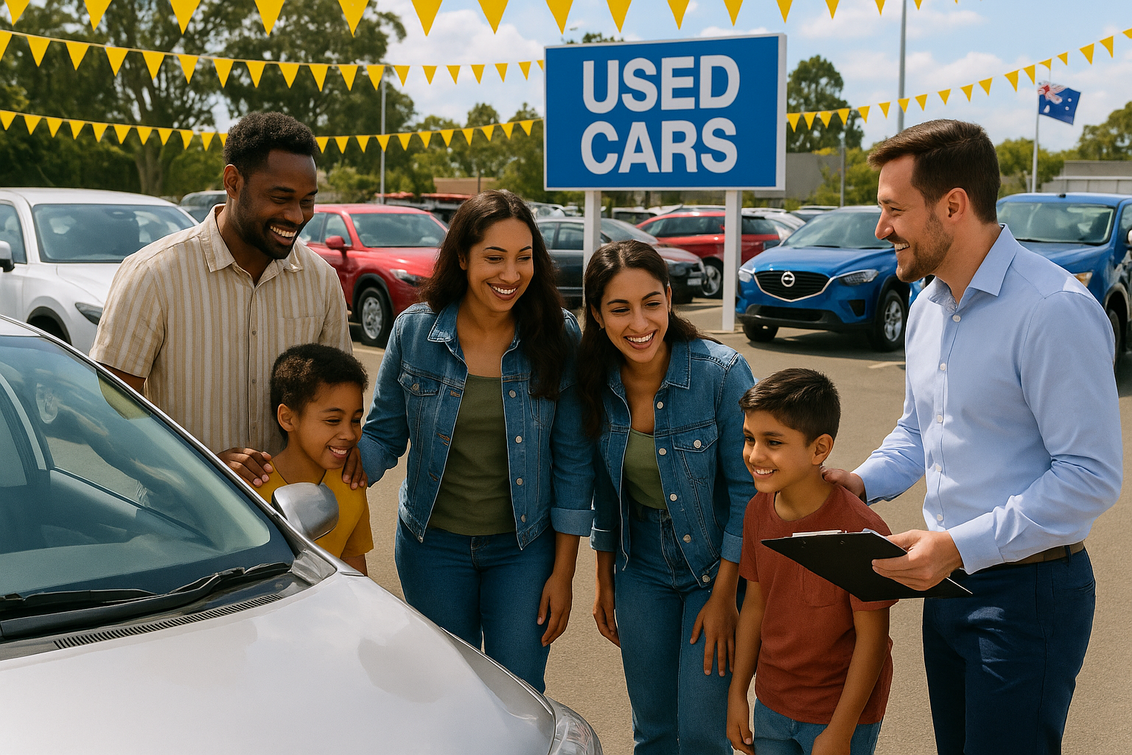
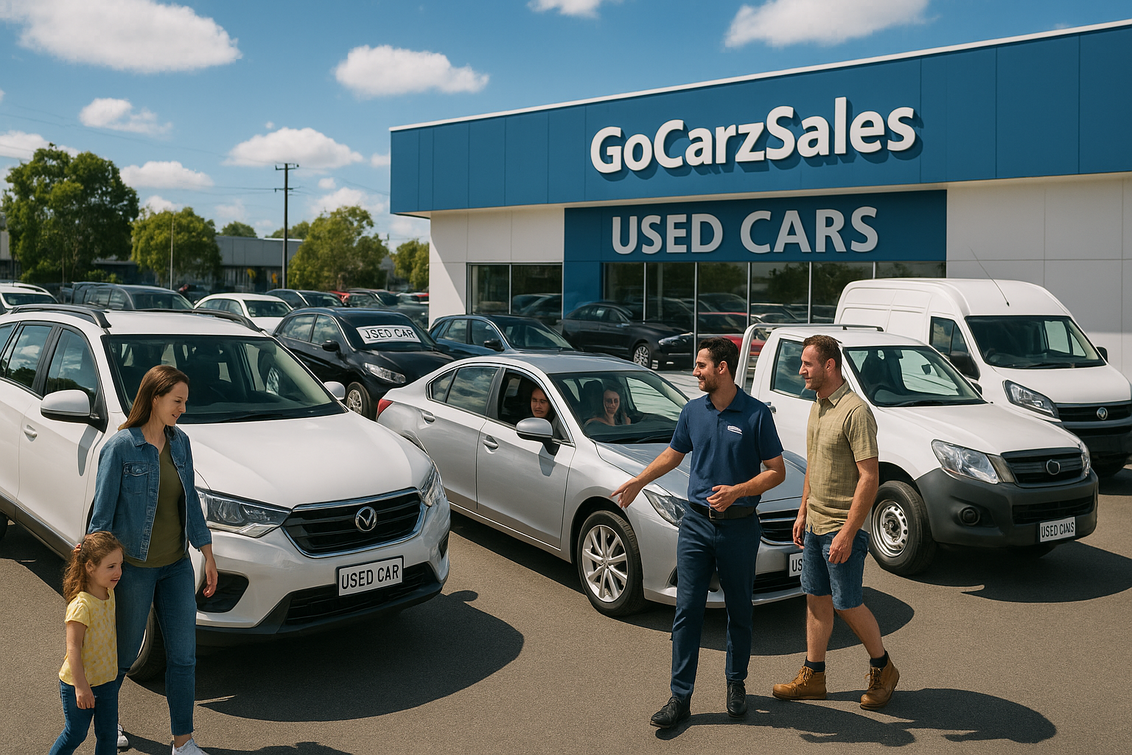
Pros: statutory warranties on eligible cars, help with trade-ins, paperwork handled, and sometimes certified pre-owned with guarantees. Consumer law protections are stronger with dealers than private sellers. Many Aussies prefer this path; a large majority say they trust accredited dealers in industry surveys.
Cons: usually higher prices than private sales. - Private sellers:
Pros: often cheaper up front.
Cons: no dealer warranty, fewer protections, and more legwork to verify condition and history. Extra care is needed to check the VIN, arrange a pre-purchase inspection, and handle safe payment. Backpackers and first-timers often use private and online channels, but should inspect even more carefully. - Online marketplaces (Carsales, Gumtree, Facebook Marketplace, Drive):
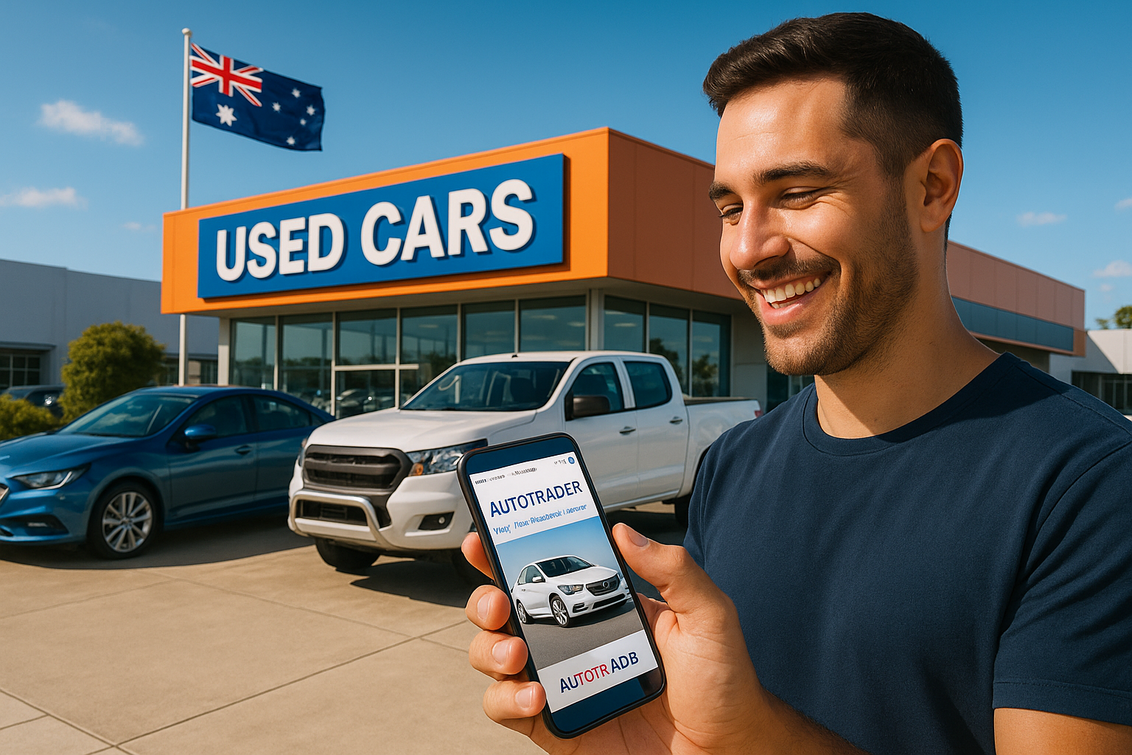
Pros: wide selection and filters to find what you need. For platform-specific tips, see our Carsales guide and Facebook Marketplace guide.
Cons: you must verify the seller and request the VIN to run history checks. - Auctions (e.g., Manheim, Pickles):
Pros: sometimes bargains.
Cons: higher risk, minimal or no warranties, and limited time to inspect. - Other sources:
Local newspapers, community boards, or nearby dealerships can also turn up solid buys. Explore our used cars near me guide for local search tips.
The essential pre-purchase checklist (don’t skip this)
Use this simple, must-do checklist before you put money down. It helps protect your safety and your wallet.
- Run a vehicle history check
Use the VIN to check the PPSR (Personal Property Securities Register). This can reveal if the vehicle has finance owing, is stolen, has a write-off record, or has other red flags. You can also use services like CarHistory to get more detail.
If anything doesn’t match (e.g., build date, ownership), walk away. - Confirm ownership and rego
Make sure the VIN and engine number match the rego papers.
Confirm current registration and whether a roadworthy certificate (RWC) applies for your state; see our Victoria guide for examples. - Read the service history
Look for regular servicing at sensible intervals. Gaps, missing stamps, or incomplete logbooks can be warning signs. - Inspect the vehicle (body, interior, underbody, mechanical)
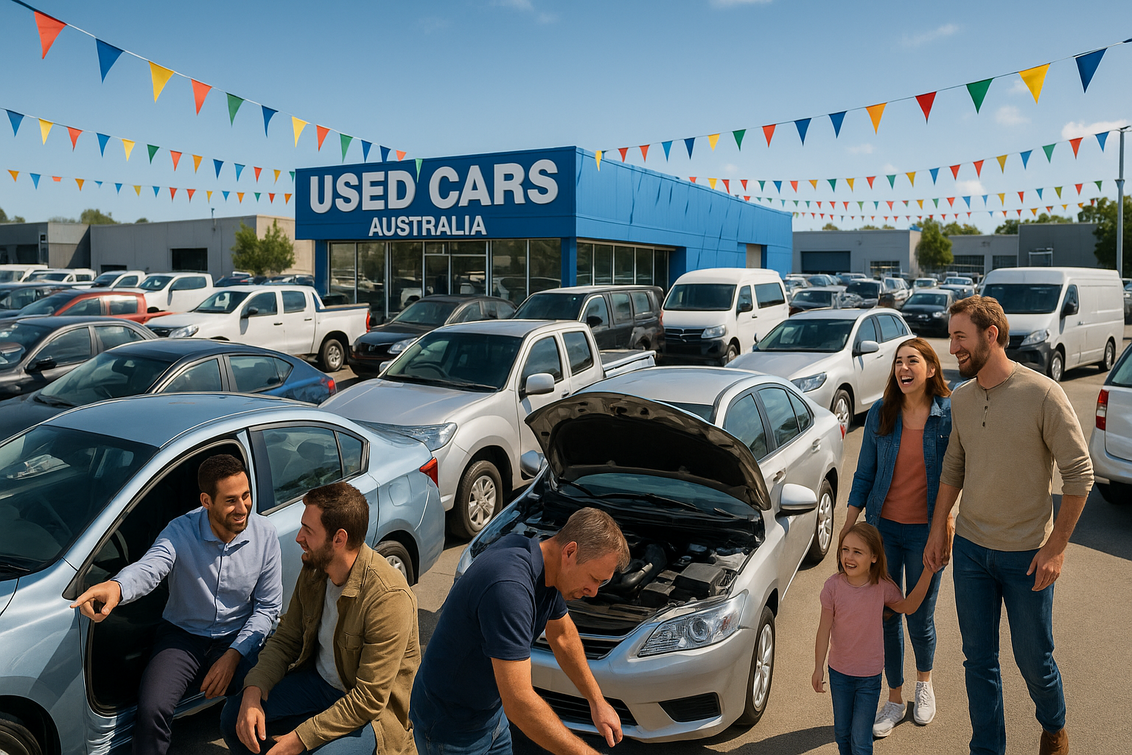
Check for rust, mismatched paint, panel gaps, dents, water damage, worn tyres, leaks, and warning lights.
Inspect lights, windows, air con, infotainment, seat belts, and airbags where possible.
Look under the car for oil leaks, damage, or corrosion.
Arrange an independent pre-purchase inspection by a qualified mechanic if you’re not 100% sure. It’s one of the best ways to avoid buying a lemon.
Daylight helps you see paint and panel issues clearly; many video guides also show what to look for on bodywork and trim. - Odometer and test drive
Check the odometer reading makes sense for the age and service history.
Test drive in daylight. Check cold start, idle, acceleration, braking, steering, suspension, transmission shifts, parking manoeuvres, and any 4×4 systems (if fitted). - Verify the seller
For dealers, look for accreditation and reviews.
For private sales, meet in a safe public place, bring a friend, and avoid carrying cash. Be wary of pressure tactics or requests for wire transfers.
Dealer vs private: protections and trade-offs
- Dealer (licensed motor dealer):
Pros: statutory warranty on eligible vehicles, consumer law protections, help with trade-ins and paperwork. Many buyers report higher trust in accredited dealers.
Cons: often a higher purchase price than private.
Best for: buyers who want more protection, help with the process, or to bundle trade-ins and finance in one place. - Private sale:
Pros: lower price potential.
Cons: no dealer warranty, you manage all checks and paperwork, higher risk if you skip steps.
Best for: savvy buyers willing to verify everything and accept more risk.
Budgeting like a pro
A clear budget prevents overspending and stress. Consider:
- Purchase price plus on-road costs (stamp duty, rego transfer, RWC if required).
- Running costs: fuel, insurance, tyres, servicing, potential repairs.
- Fit-for-purpose: size, features, safety tech, towing needs, and resale value.
- Finance options if needed, and how they affect total cost of ownership.
Research market prices for the model, year, and condition you’re targeting. Use your inspection findings to negotiate—firm but fair—and ask for extras like a fresh service, a tank of fuel, or extended rego to sweeten the deal. When you’re ready to buy, use secure payment methods and get every document: title, rego/RWC details, service books, receipts, manuals, and any warranty papers.
If you have a current vehicle, getting a fair trade-in price can bring your cost down. Ask for a trade-in valuation during your quote.
Step-by-step buying plan
Follow this simple plan to keep control at every step.
- Set your budget and your “must haves”
Think about space, payload, towing, urban vs rural use, fuel type (petrol/diesel/hybrid), and 2WD vs 4WD.
Include running costs, not just the sale price. - Shortlist models and years
Start with reliable, high-demand models like Corolla, Camry, Mazda 3, CX-5, Ford Ranger, and good options from Nissan and Honda. They tend to be safer buys if serviced well.
For work vehicles, compare tray or cargo dimensions, payload and tow ratings, and safety tech like AEB and stability control. - Check live listings
Compare dealers, private sellers, and online marketplaces. Ask for the VIN early so you can run checks. - Inspect and test drive
Use the checklist above and consider a professional pre-purchase inspection before you commit.
Test every feature you care about: Apple CarPlay/Android Auto, reversing camera, parking sensors, tow wiring, and 4×4 engagement if relevant. - Negotiate with evidence
Use any issues found (tyres, brakes, service needs) to seek a fair price or ask for fixes before delivery. - Complete paperwork and payment
Confirm PPSR is clean and rego/RWC is in order for your state. Keep copies of all documentation.
Use secure payment methods and avoid handing over money until everything checks out. - Plan first service and running costs
Book a service if due, and plan tyres or fluids sooner rather than later. Reliable brands and regular maintenance can lower ownership costs.
If you want a hand with budgeting or monthly repayments, ask us about finance options. We can walk you through total cost, not just the sticker price.
State-by-state notes that catch many buyers out
Rules differ by state, including whether an RWC is required before transfer, cooling-off periods when buying from a dealer, and certain transfer fees. Always check your state’s guidance before you pay or sign.
Choosing the right vehicle type (work and family)
Go beyond brand and badge. Focus on what the vehicle must do for you.
- Utes (single/dual cab):
Good for mixed work and family duties.
Check payload, tow capacity, 4×2 vs 4×4, tray setup, and GVM/GCM.
For towing, look at engine torque and cooling, and verify the towbar and wiring are up to spec. - Vans (mid/large):
Great for tradies and deliveries.
Check cargo length, roof height, door access, tie-down points, and service history for urban stop-start wear. - Trucks (light-duty):
Focus on payload, body type (tray, tipper, pantech), licensing needs, and recent maintenance on brakes, suspension, and drivetrain. - Minibuses/people movers:
Check seat configuration, seatbelt condition, air con strength through all rows, and emergency exits (where relevant). - Cars and SUVs:
Match boot space and safety features to your family needs.
Confirm child-seat anchor points, spare tyre type, and visibility.
For any vehicle, test drive loaded if possible, check reversing and parking ease, and confirm you’re happy with visibility and ride comfort. If in doubt, we can help you set up a tailored vehicle inspection checklist for your short list.
Market trends and timing
Used vehicle prices can shift with supply and demand, and the best-maintained cars attract competition. Trade-in values have also been strong in many periods, which can help upgrade math if you’re swapping out of your current car. If you find the right vehicle at the right price with clean history and a solid inspection, moving quickly can save you missing out.
Negotiation tips that work
- Know the going rate for the year, kilometres, and condition you’re viewing.
- Bring printed evidence (recent sales listings, inspection notes).
- Be polite and clear about what you need fixed or included (e.g., new tyres, fresh service, longer rego).
- Be ready to walk away if the PPSR or inspection shows something you can’t accept.
- Finalise the deal only when all documents and conditions are secured.
After you buy: simple care plan
- Start a log of services and repairs.
- Keep receipts for tyres, batteries, and fluids.
- Fix small issues early to save bigger bills later.
- Reliable models and a good maintenance routine reduce long-term costs and stress.
How GoCarzSales can help
If you’re looking at David Grant Car Sales and want to compare options, we welcome you to see how we do things at GoCarzSales. Our team specialises in second-hand trucks, vans, utes, minibuses and cars, with clear histories and careful checks. We can help you:
- Shortlist the right models for your budget and needs.
- Arrange pre-purchase inspections and PPSR checks.
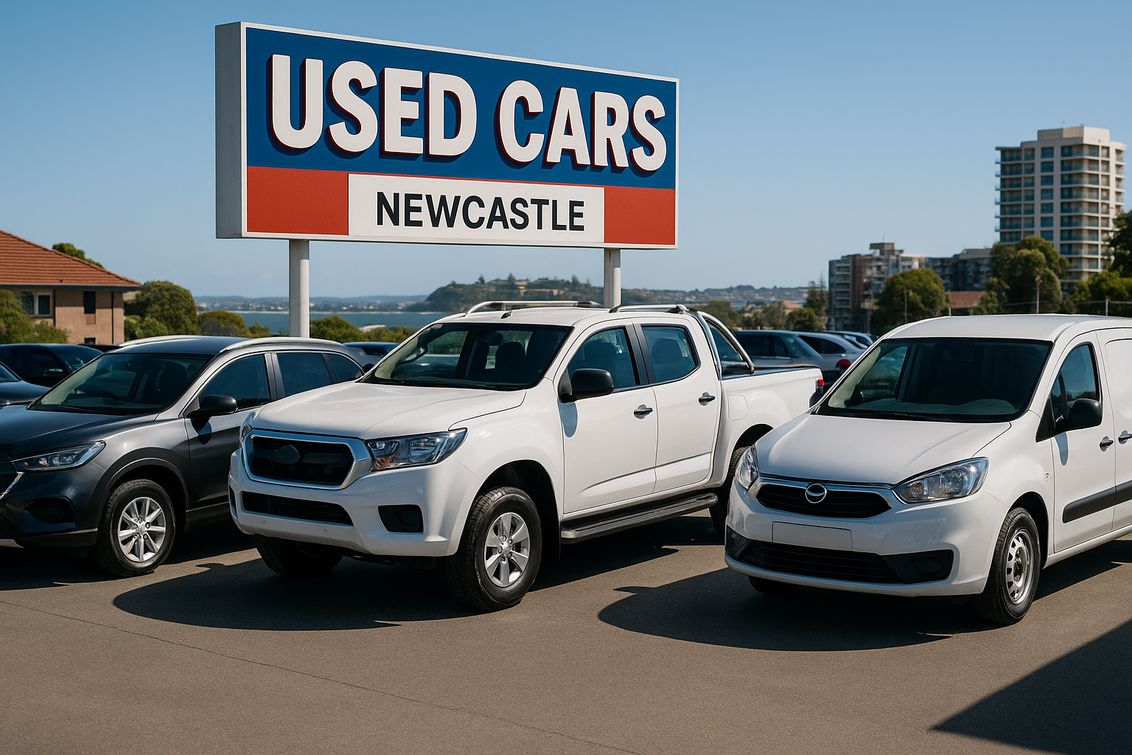
- Explore used trucks for sale, used utes, and used vans that match your work or family life.
- Consider finance options and get a fair trade-in valuation.
Conclusion
Buying used in Australia is a smart move when you follow a proven plan. Start with reliable models, run a PPSR check, confirm rego and service history, get an independent inspection, test drive in daylight, and negotiate using facts. Whether you choose a dealer or a private seller, these steps protect your safety and your money.
Ready to compare options beyond David Grant Car Sales? Explore our stock or book a test drive with GoCarzSales today. We’re here to make your next purchase simple, safe and great value.
Important Disclaimer
This article is general information only. It is not financial, legal, or mechanical advice. Always verify details yourself, including PPSR, registration, roadworthy requirements, warranty coverage, and any towing/payload limits for your vehicle. Consult a qualified mechanic and the relevant state authority for up-to-date rules, fees and obligations.
Quick FAQs
What is a PPSR check and why does it matter?
PPSR is a national register that shows if a vehicle has finance owing, is stolen, or has been written off. Use the VIN to run the check before you buy.
Is buying from a dealer safer than private?
Dealers generally offer more protection, including statutory warranties on eligible cars and consumer law rights. Many buyers report higher trust in accredited dealers, though you’ll often pay more than private sales.
Which used models are safe bets for reliability?
Popular picks include the Toyota Corolla and Camry, Mazda 3 and CX-5, Ford Ranger, and various Nissan and Honda models, provided they’ve been well maintained.
Are auctions good value?
They can be, but auctions are higher risk with limited warranty and less time for inspection. Be very prepared and set a strict budget.
What paperwork should I collect at purchase?
Title/transfer documents, rego and any RWC, PPSR result, service books and receipts, manuals, spare keys, and any warranty info. Use secure payment methods only.