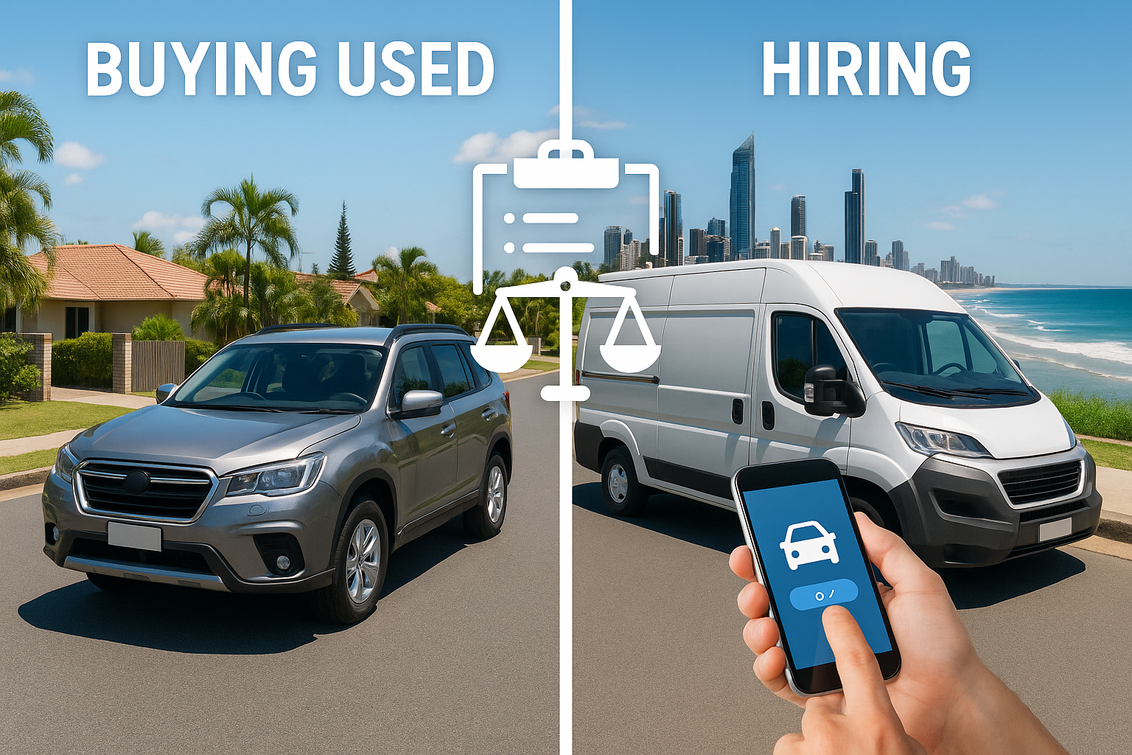
Car Sales Gold Coast
Estimated reading time: 13 minutes
Key takeaways
- Match the vehicle to your daily use; hire for rare big jobs to save money.
- Budget using total cost of ownership (TCO): rego, insurance, servicing and tyres matter.
- Follow a proven checklist: PPSR, rego/identity match and a pre‑purchase inspection.
- Test drive with purpose and compare private vs dealer protections.
- Self‑move hire via Go With The Gecko is a simple option for one‑off moves.
- For frequent work use, a reliable used ute or van can pay for itself over time.
Table of contents
- Car Sales Gold Coast
- Buying used on the Gold Coast: quick overview
- Hire or buy? The smart way to decide
- How Go With The Gecko hire works (if you choose to hire)
- NSW used‑vehicle checklist you can adapt anywhere
- CarsGuide insights: ownership costs and choosing the right vehicle
- Dealer insight from the GoCarz Sales blog
- Practical steps to buy a used car, ute, van or truck on the Gold Coast
- Quick tips: payload, towing, fuel type and body style
- Conclusion
- Call to Action
- Important Disclaimer
- FAQs
Searching for car sales on the Gold Coast? This Gold Coast used‑car guide brings together trusted advice so you can buy with confidence, and decide when hiring a van, ute or truck might be smarter than owning. We cover used‑vehicle checklists, total cost of ownership, hire vs buy, and simple steps to get on the road faster in the Gold Coast area.
Whether you’re after a second‑hand car, a work‑ready ute, a family SUV like our Mitsubishi Outlander guide, or a delivery van, the goal is the same: find a reliable vehicle, at a fair price, with no nasty surprises. We’ll keep it clear and practical, using plain language throughout.
Buying used on the Gold Coast: quick overview
The Gold Coast lifestyle is active. Many buyers want cars and utes that handle weekend trips, work gear and family life. If you shop smart, a well‑kept used vehicle can do all that without breaking the bank. See our broader Australia‑wide used‑car guide for extra context.
Think about how you’ll really use the vehicle most days. Don’t buy a big van or truck for a once‑a‑year job. If you only need extra load space sometimes, hiring can save you money. If you need it often for work, owning can be better value in the long run. This guide will help you choose either way.
Hire or buy? The smart way to decide
When hiring makes sense
Hiring a van, ute or truck works well if you only need it sometimes. A self‑move hire service like Go With The Gecko lets you book short‑term, unlock the vehicle with an app, and return it when you’re done, with no membership needed. Their fleet covers vans, utes and trucks for local or one‑way interstate moves, and they offer convenient pickup points across major cities, including coverage for the Gold Coast region via Brisbane locations (Go With The Gecko).
Their content hub, Gecko Live, shares simple tips on choosing between a van, ute or truck, packing and loading safely, and saving money by moving on off‑peak days. If you’re weighing up a one‑off move or a few DIY runs, hiring often beats buying for cost and simplicity.
When buying makes sense
Buying is usually better if you’ll use the vehicle every week. Ownership gives you 24/7 access and control. But it also comes with costs: rego, insurance, servicing, tyres and repairs. Car experts often say to match the vehicle to your main use, and to think in terms of total cost of ownership (TCO), not just the sticker price (CarsGuide).
If you’re a tradie or run regular deliveries, a used ute or van can pay for itself over time. Choose a reliable model, keep up with servicing, and budget for wear items. That way, you avoid repeated hire fees and booking limits.
A quick rule of thumb
- Hire if you need a bigger vehicle a few times a year, want low hassle, and don’t want to deal with rego or maintenance (Go With The Gecko; CarsGuide).
- Buy if you need it most weeks, value on‑demand access, and you’re happy to manage running costs and upkeep (CarsGuide).
How Go With The Gecko hire works (if you choose to hire)
Go With The Gecko is designed for simple, short‑term self‑move hire. You download their app, book a vehicle near you, and unlock it with your phone. No membership and keyless access are part of their pitch to “move more for less yourself” (Go With The Gecko).
- Vehicles: vans for bulky items and small moves, utes for DIY and tip runs, and trucks for larger home or stock moves (Go With The Gecko).
- Locations: multiple pickup points across major cities and selected regions, including Brisbane with coverage for nearby areas like the Gold Coast, typically at service stations and shopping centres for easy access (Go With The Gecko).
- Booking flow:
- Download the app and register your licence;
- Choose your vehicle, location and time;
- Unlock via the app, inspect, and drive away (Go With The Gecko).
- Pricing and terms: low hourly or daily rates with kilometre limits, per‑km charges after that, and a bond/security. Check fuel, toll, excess and cleaning terms before you go (Go With The Gecko).
- One‑way interstate hires and planning tips are covered in their blog to help with longer moves and safe loading practices (Gecko Live).
If a one‑off move is the only reason you’re considering buying a van or truck, these short‑term hires can be a cheaper and simpler option.
NSW used‑vehicle checklist you can adapt anywhere
Even though you’re shopping on the Gold Coast, the NSW Government’s used‑car guide lists checks that make sense in any state. The steps below are based on the NSW process; always confirm exact rules and timing with your state authority. The NSW page explains the difference between buying from a licensed dealer and buying privately, and outlines buyer checks like PPSR, rego status and mechanical inspections (NSW Government – Buying a used vehicle).
- Dealer vs private
- Dealers usually cost a bit more, but you may get statutory warranty (depending on age/km) and a cooling‑off period when buying on finance, plus stricter disclosure obligations (NSW Government – Buying a used vehicle).
- Private buys can be cheaper but come with fewer protections and higher risk if you skip proper checks (NSW Government – Buying a used vehicle). See our Facebook Marketplace used‑car guide.
- Do a PPSR history check
- Use the VIN to check for money owing, written‑off status or if it’s reported stolen. This helps avoid buying a car with debt or hidden damage (NSW Government – Buying a used vehicle).
- Verify rego and inspection status
- Confirm that registration details match the vehicle (VIN, engine number, plates) and that any required safety inspection is current (NSW Government – Buying a used vehicle).
- Get a pre‑purchase inspection
- Have a qualified mechanic inspect the vehicle before you buy, even if it looks neat. This can save you from big repair bills later (NSW Government – Buying a used vehicle).
- Confirm written‑off and stolen status
- Double‑check whether the car has been written off, or is listed as stolen or under police interest, using official databases and your PPSR report (NSW Government – Buying a used vehicle).
- Watch for odometer and identity issues
- Look for mismatches between the odometer, logbooks, and wear and tear. Be careful with missing service history (NSW Government – Buying a used vehicle).
- Paperwork and transfer
- Get a proper receipt (with VIN, price and date), rego papers (if sold registered), and any service records. Transfer registration in your name within the required time and pay the fees and duty to avoid penalties (NSW Government – Buying a used vehicle).
- Consumer rights
- If you buy from a licensed dealer, you may have statutory protections under state law and Australian Consumer Law. Private buyers rely more on their own checks and the PPSR (NSW Government – Buying a used vehicle).
Use this list as your backbone, then confirm the exact rules where you live. It’s a simple, safe way to buy a second‑hand car, ute or van.
CarsGuide insights: ownership costs and choosing the right vehicle
CarsGuide covers used‑car buying, ownership and comparisons across the Aussie market. Their advice often focuses on real‑world costs, not just the price on the windscreen (CarsGuide).
- Depreciation vs usage
- Vehicles lose value fastest in the first few years. If you only need a van or ute occasionally, ownership often costs more than hire once you add rego, insurance, servicing, tyres and repairs (CarsGuide).
- Pick the right vehicle for your main use
- Choose a car, ute or van that suits what you do most days, not the rare job you might do once a year. If you only move house occasionally, hiring a truck is more sensible than buying one to sit idle (CarsGuide).
- Known model issues and running costs
- Look into typical faults, service schedules, and parts prices for your short‑list models. This helps you compare a used Toyota HiAce vs a cheaper alternative based on lifetime costs, not just the buy‑in price (CarsGuide).
- Private vs dealer
- Dealers usually cost a bit more but provide more structure and support. Private sales demand more due diligence and carry more risk if you skip checks (CarsGuide).
- Finance and budgeting
- Avoid over‑borrowing for a depreciating asset. Budget for the full TCO, not just repayments. Sometimes, pay‑per‑use hire for the odd big job is the most cost‑effective route (CarsGuide).
These principles will keep you grounded as you compare vehicles and options on the Gold Coast.
Dealer insight from the GoCarz Sales blog
From a dealership perspective, the basics matter. Set a clear budget including on‑road costs and initial maintenance. Check vehicle history and service records. Always test drive and listen for engine, transmission and brake issues. Dealers also explain the trade‑off between private price and dealer support, and share tips on preparing your trade‑in for the best result (GoCarz Sales Blog).
If you’re replacing a vehicle, ask about bundling a pre‑delivery service, tyres or accessories into the deal. It can be a cost‑effective way to hit the road with confidence after delivery (GoCarz Sales Blog).
Practical steps to buy a used car, ute, van or truck on the Gold Coast
Follow this simple path to a safer purchase.
- Define your use
- Daily driver, family hauler, site work, deliveries, weekend trips, or a bit of everything?
- Short‑list body styles and sizes that fit your life: hatch, SUV, dual‑cab ute, mid‑roof van, or light truck.
- If you only need extra space rarely, plan to hire instead and save your cash (Go With The Gecko; CarsGuide).
- Set a real budget
- Include rego, insurance, stamp duty, and a safety buffer for tyres or servicing.
- Consider finance only if the repayments fit comfortably with your other costs (CarsGuide).
- Ready to explore options? See what’s available:
used utes,
used vans,
and used trucks for sale.
- Run the key checks
- PPSR search using the VIN to rule out debt, write‑offs or stolen status (NSW Government – Buying a used vehicle).
- Confirm rego and that the VIN/engine number match the papers (NSW Government – Buying a used vehicle).
- Book a pre‑purchase mechanical inspection before you commit (NSW Government – Buying a used vehicle; vehicle inspection checklist).
- Test drive with purpose
- Start cold. Check for smoke, warning lights, rough idle.
- Drive at city and highway speeds. Test brakes, steering, and gearbox.
- Try full‑lock turns and a few gentle hard stops to reveal noises.
- Compare ownership vs hire for edge cases
- If a van or truck is only for a move or two, price a self‑move hire day vs the added TCO of owning. Many buyers find hire wins for rare jobs (Go With The Gecko; CarsGuide).
- For frequent use, reliable ownership usually wins over repeated rentals (CarsGuide).
- Finalise the deal
- Get a signed receipt with VIN, price and date. Collect service history and manuals.
- Transfer rego in the required timeframe and pay the fees/duty to avoid penalties (NSW Government – Buying a used vehicle).
- Considering repayments or a trade‑in? Ask about finance options and trade‑in valuation.
Quick tips: payload, towing, fuel type and body style
- Payload and towing
- Check the vehicle’s rated payload and tow limits suit your real loads. Don’t exceed them. It’s a safety and insurance issue. For occasional heavy loads, hiring the right truck may be simpler and safer (Go With The Gecko).
- Fuel type
- Diesel utes and vans often suit regular towing or heavy loads. Petrol can be better for short trips and lighter use. Compare your weekly driving pattern before you decide (CarsGuide).
- Body style fit
- Dual‑cab utes hit a sweet spot for work and family. Vans are great for protected cargo and business use. Light trucks handle bigger moves but can be overkill for daily life—hire one when you need it (Gecko Live; CarsGuide).
- Ownership basics
- Keep up with servicing, tyres and brakes. Plan for registration and insurance each year. This is all part of your TCO and should be budgeted from day one (CarsGuide).
Conclusion
Buying used on the Gold Coast is easier when you match the vehicle to your daily needs, stick to a clear budget, and follow a proven checklist. If you only need extra load space sometimes, self‑move hire can save you money and hassle. If you need it most weeks, a well‑chosen used car, ute, van or truck can be a smart, long‑term asset.
Call to Action
Ready to find the right fit for work or weekends? Explore our range of quality used cars, utes, vans and trucks, book a test drive, or ask our team about finance and trade‑in options today. We’re here to make Car Sales Gold Coast simple, transparent and stress‑free.
Important Disclaimer
This article is general information only and is not financial, legal or mechanical advice. Always verify details like roadworthy status, PPSR history, warranty coverage, towing and payload limits, and state‑based registration and transfer rules with qualified professionals and the relevant authorities before you buy or hire.
FAQs
Is it cheaper to hire a van for a move or buy one?
If it’s a one‑off or rare job, short‑term hire is usually cheaper and simpler because you avoid rego, insurance and servicing costs. Buying can be better value only if you use the van often each week (Go With The Gecko; CarsGuide).
What documents and checks do I need when buying used?
Do a PPSR history check with the VIN, confirm rego details match the car, book a mechanical inspection, and get a receipt with the VIN, price and date. If buying from a dealer, you may have statutory protections; private sales rely more on your checks (NSW Government – Buying a used vehicle).
Can I hire a truck for an interstate move?
Yes. Go With The Gecko offers one‑way interstate hires and planning tips for longer trips via their content hub, so you can move yourself without buying a truck you don’t really need (Gecko Live; Go With The Gecko).
Should I buy from a dealer or a private seller?
Dealers usually cost more but may offer statutory warranties (based on age/km) and clearer disclosure. Private sales can be cheaper but need more due diligence, including PPSR and inspections (NSW Government – Buying a used vehicle; CarsGuide).
How do I budget for a used car or ute?
Plan for the purchase price plus on‑road costs, insurance, servicing, tyres and unexpected repairs. Avoid over‑borrowing for a depreciating asset. Consider pay‑per‑use hire for rare big jobs (CarsGuide).