Used 7 Seater Cars Sydney
Estimated reading time: 10 minutes
Key takeaways
- Price the whole purchase: duty, rego, insurance, inspections and likely repairs.
- Always do three checks before paying a deposit: NSW rego check, PPSR search and an independent inspection.
- Use reputable platforms to compare prices; then verify with official NSW resources and a mechanic.
- Dealers can offer consumer guarantees; auctions and private sales usually have fewer protections.
- If registered in NSW, transfer into your name within 14 days to avoid a surcharge.
- Test third-row comfort, boot space with seats up, and child-seat access with your family onboard.
Table of contents
- Used 7 Seater Cars Sydney
- Why a used 7 seater suits Sydney life
- Where to buy a used 7 seater: dealers, online, private or auctions
- How to build a real-world budget (not just the sticker price)
- Essential checks before you pay a deposit
- Thinking of bidding? Know the auction trade-offs
- Dealer and finance protections (and limits)
- Compare prices wisely with CarsGuide and other platforms
- A safe step‑by‑step buying plan for used 7 seaters
- What to look for in a 7 seater (simple checklist)
- Buying at auction vs from a dealer: which suits you?
- Ownership costs to plan for
- Quick market sense‑check for Sydney buyers
- Conclusion
- Call to Action
- Important Disclaimer
- FAQs: Used 7 Seater Cars Sydney
Why a used 7 seater suits Sydney life
Hunting for used 7 seater cars in Sydney? This guide walks you through how to choose, check and buy a family-size people mover or SUV in NSW, with practical steps to keep you safe and on budget.
Whether you’re moving a big family, car‑pooling to sport, or running rideshare, a 7 seater can make life easier. But buying used needs care. The safest approach is to use commercial sites for discovery and price comparisons, and rely on NSW Government advice for checks, legal steps and your rights. That way you don’t get caught out by hidden finance, missing rego, or unexpected fees NSW Government overview.
- Space for kids, grandparents, pets and gear.
- Flexible seating for school runs and weekend trips.
- People movers and large SUVs often have flat‑fold seats for cargo.
- Buying used can stretch your budget further than buying new.
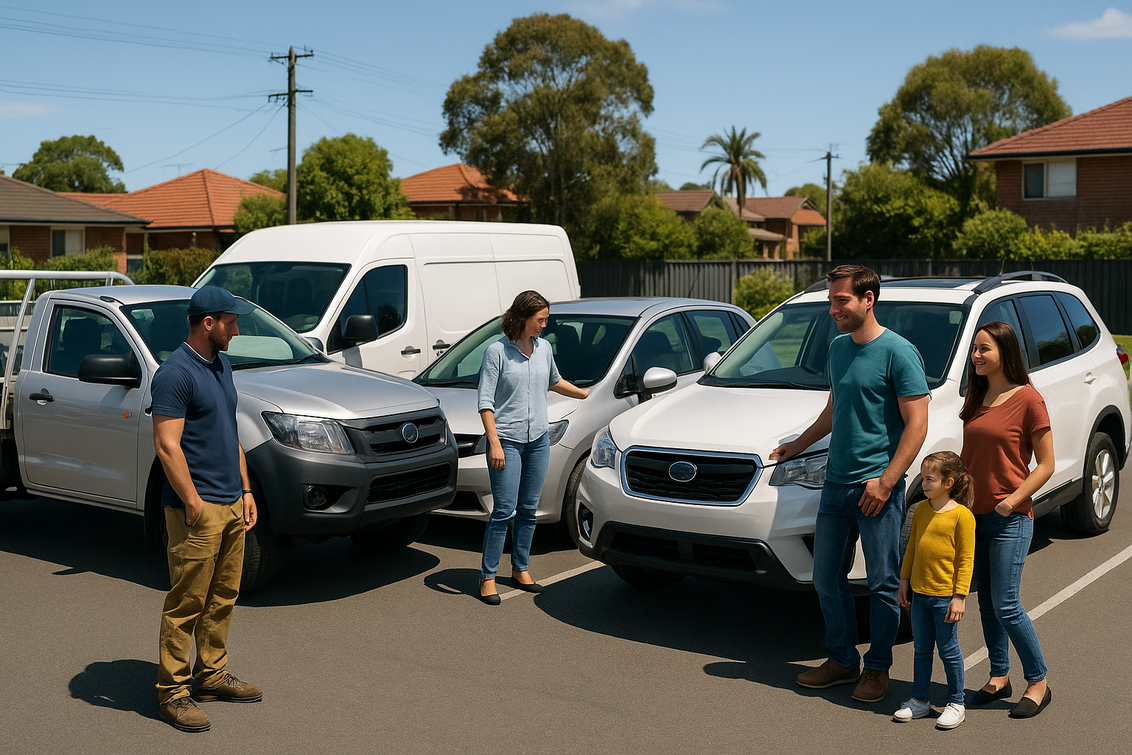
Focus on comfort in row two and row three, boot space with the third row up, and easy access for child seats or boosters. Bring the family on the test drive to see how it feels in real life.
Where to buy a used 7 seater: dealers, online, private or auctions
In NSW you can buy from licensed dealerships, online platforms such as Autotrader and Carsales, private sellers or auctions. The NSW Government warns that scams are more common on online marketplaces where sellers are not verified, so use trusted platforms and be cautious of offers that look far cheaper than similar cars NSW Government guidance and see this Facebook Marketplace used car guide.
Private sales usually come with fewer protections than dealership purchases. You’ll likely organise your own inspections, check for outstanding finance and chase the seller yourself if problems come up.
Licensed dealers can provide consumer guarantees that you won’t get in many private or auction sales NSW consumer guarantees note.
How to build a real-world budget (not just the sticker price)
The advertised price is only the start. Your total cost can include:
- Registration transfer and renewal
- Motor vehicle duty (stamp duty)
- Insurance
- Servicing and maintenance
- Repairs
- Inspection and report fees
- Auction or administration charges (if relevant)
In NSW, motor vehicle duty is generally calculated using the higher of the vehicle’s market value or the agreed purchase price. Make sure you run your numbers with this in mind before you commit.
Essential checks before you pay a deposit
1) Do a free NSW rego check
Get the registration number and VIN. A free NSW registration check shows rego expiry, whether registration is suspended or cancelled, restrictions or concessions, and the CTP insurer and policy expiry NSW rego check details.
Compare the rego record with the car’s make, model, year, VIN and odometer. If the details don’t match, walk away and investigate—discrepancies can signal a serious problem NSW rego check advice.
If the vehicle is registered in NSW (or its rego expired less than three months ago), you generally need to transfer it into your name within 14 days to avoid a surcharge.
2) Run a PPSR search
Before handing over money, run a PPSR check. It can show:
- If money is owing on the vehicle
- If the car is security for a loan
- If the person selling it owns it
- If it’s recorded as written‑off or stolen
This is critical in private and online sales NSW PPSR guidance.
3) Inspect the vehicle independently
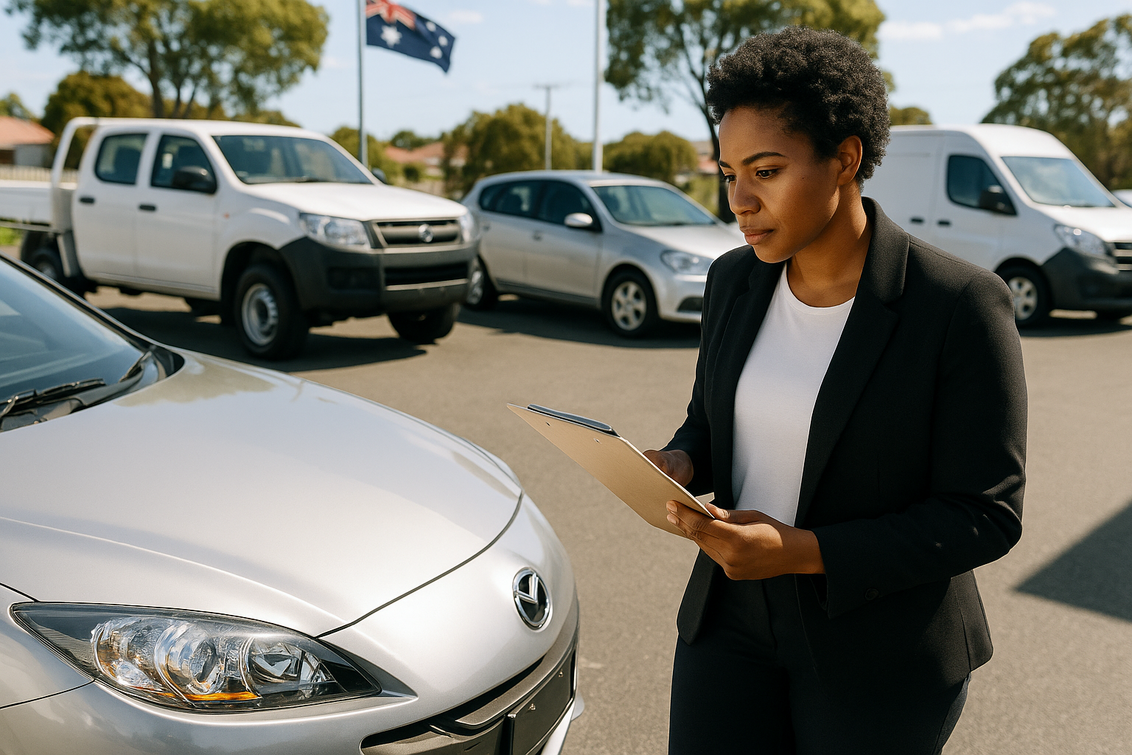
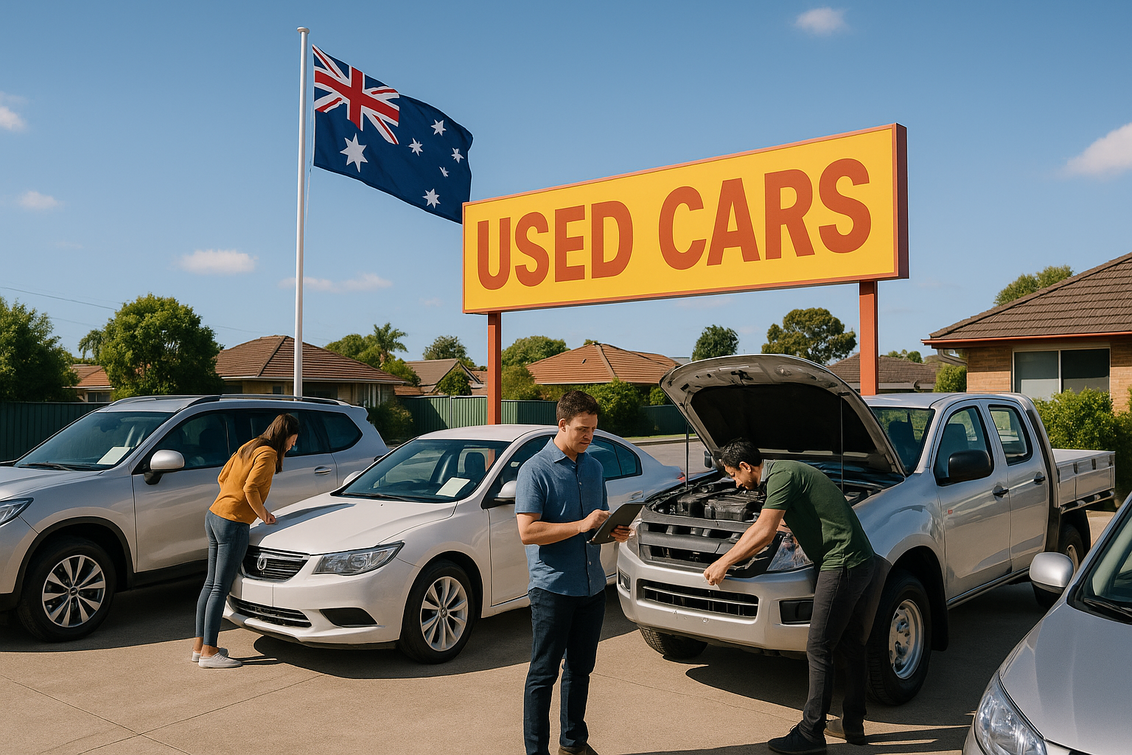
Follow a simple inspection checklist:
- Look for even panel gaps and consistent paint colour
- Check for dents, rust and general wear
- Watch for overspray on rubber seals or plastic trim
- Lift mats and check under the spare wheel for water or rust
- Check tyres, lights, controls and safety equipment
- Confirm the spare tyre, jack and tools are present
- Review service history and any inspection reports
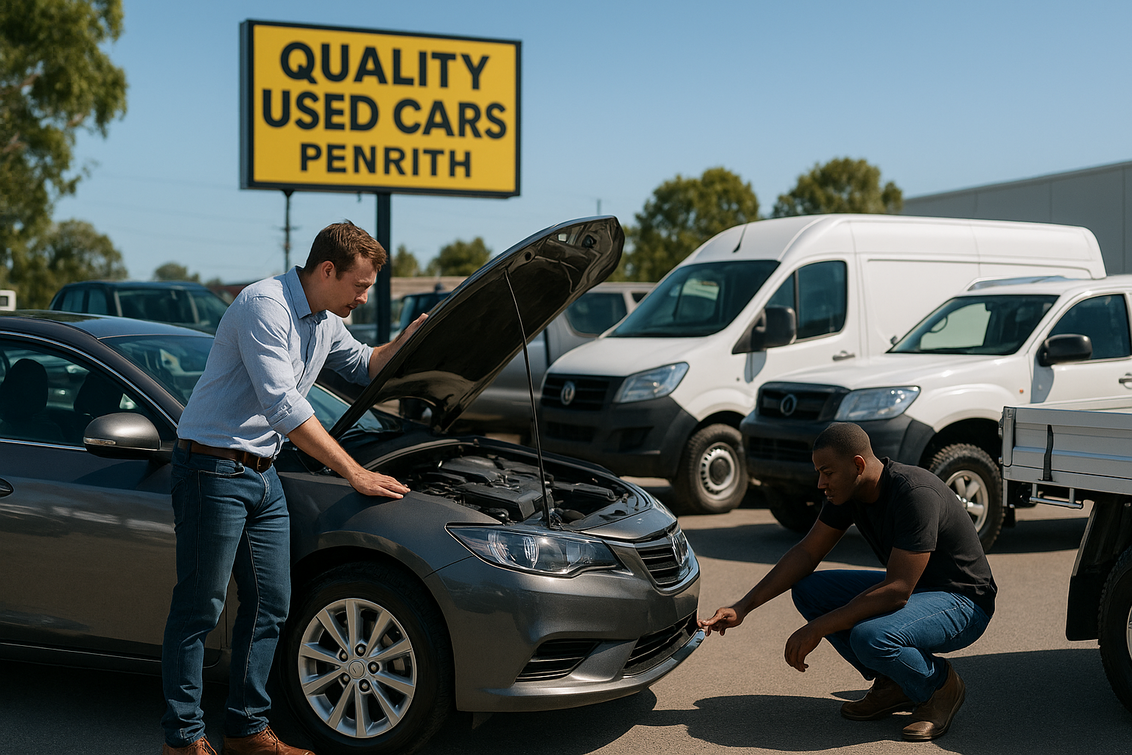
Uneven gaps, mismatched paint or overspray may point to past crash repairs. Book an independent pre‑purchase inspection with a qualified mechanic before you sign anything NSW vehicle inspection checklist.
Arrange a test drive where possible, and confirm the seller’s insurance covers you for the drive NSW test drive note.
Thinking of bidding? Know the auction trade-offs
Auctions can offer a wide choice and sometimes lower prices than typical listings. But there are trade‑offs:
- Test drives may not be available, and inspection time can be short
- Mechanical information can be limited
- Vehicles sold for private owners may not have a dealer guarantee
- Many auction houses require an immediate deposit (often 10% or a minimum amount)
- Auction purchases usually don’t include the same cooling‑off protections as some dealer‑financed sales
Auction houses in NSW are responsible for ensuring vehicles sold through them have no money owing, but you should still read the conditions, inspect the vehicle, and confirm protections before you bid.
Platforms like Go With the Gecko can help you access auction or disposal stock and understand processes such as bidding rules, deposits, collection and fees. Always check who the seller is, whether the car is registered, inspection options, what fees apply, and if it’s sold “as is”. If you plan to bid live or online, review the platform’s registration and bidding terms carefully, including buyer’s premiums, reserves, and late‑payment or storage fees Gecko Live.
Dealer and finance protections (and limits)
Licensed dealers can provide consumer guarantees that are not usually available in private or auction sales NSW consumer guarantees note. A one‑business‑day cooling‑off period may apply if your purchase is financed through a dealer‑arranged linked‑credit facility. This protection does not generally apply to legitimate auction sales. Never assume there’s a cooling‑off period—check your contract, seller type, finance terms and any auction conditions.
Compare prices wisely with CarsGuide and other platforms
Use established platforms to compare asking prices for similar 7 seaters by make, model, year, kilometres, body type and location. A great place to start is this CarsGuide market comparison guide, alongside Autotrader tips and Carsales tips. For live listings, see CarsGuide, but remember it does not replace a PPSR search, rego check or a mechanical inspection.
When comparing listings, try to “normalise” your shortlist:
- Odometer reading and overall condition
- Service history
- Registration duration
- Number of previous owners
- Any accident or written‑off history
- Dealer versus private seller status
- Included warranty
- Location and delivery/transport costs
An auction price that looks cheaper than CarsGuide listings may still be less attractive after you add buyer fees, repairs, registration, transport and stamp duty.
A safe step‑by‑step buying plan for used 7 seaters
- Set an all‑in budget (not just a max purchase price). Include stamp duty, transfer, rego, inspection, insurance and likely repairs.
- Compare similar vehicles on established platforms to sense‑check the price: CarsGuide comparison tips and Carsales comparison tips and browse CarsGuide.
- Get the rego number and VIN.
- Do a free NSW rego check and confirm all details match NSW rego check.
- Run a PPSR search before you hand over any money NSW PPSR guidance.
- Verify the seller’s identity and that they own the vehicle NSW purchase safety.
- Check the service book and any independent inspection records NSW inspection checklist.
- Arrange a pre‑purchase inspection by a qualified mechanic NSW inspection guidance.
- Inspect in daylight for signs of crash repair, rust or water damage NSW inspection tips.
- Test drive it and confirm the seller’s insurance covers you NSW test drive note.
- Read the full dealer or auction terms; don’t assume a cooling‑off period applies.
- Re‑check your all‑up costs: stamp duty, rego, insurance, repairs and transport.
- Avoid paying a deposit until the vehicle, documents and contract are checked NSW buyer caution.
- After purchase, transfer the rego within 14 days to avoid a surcharge (if eligible).
What to look for in a 7 seater (simple checklist)
- Space and seating: Can adults fit in row three? Can kids buckle in easily? Try all seats up and down.
- Boot room with all seats up: Will a pram, sports bags or groceries fit?
- Access and comfort: Sliding doors (people movers) vs wide‑opening doors (SUVs). Check step‑in height and visibility.
- Child‑seat practicality: Test anchor access and how belts route when seats fold.
- Ride and noise: Drive on smooth roads and bumps to test comfort.
- Fuel type and range: Pick what suits your daily driving (city vs highway).
- Towing and payload: If you tow or load up, check limits in the handbook and have a professional confirm what’s safe for your setup.
- Safety tech: Test basic functions like lights, indicators, wipers and parking sensors. Confirm warning lights go out after start‑up.
- Service history: Regular services build confidence. Gaps can signal risk.
- Tyres and brakes: Uneven tyre wear or vibration may point to alignment or suspension issues—have your mechanic check.
Tip: Bring a printed checklist and take photos. If you’re buying through GoCarzSales, ask for our pre‑sale reports and book a test drive. vehicle inspection checklist
Buying at auction vs from a dealer: which suits you?
- Choose auction if you’re an experienced buyer, happy with limited test options, and ready to act fast with a deposit and strict pick‑up times. Check buyer’s premiums, storage fees, whether the car is sold “as is,” and that you can inspect first. Review live bidding terms at Gecko Live.
- Choose a licensed dealer if you want clearer consumer guarantees, easier finance, and often better after‑sales support NSW dealer protections. A one‑business‑day cooling‑off period may apply only when finance is through a dealer‑arranged linked‑credit facility, and generally not for auction sales.
Ownership costs to plan for
- Servicing: Budget for a catch‑up service soon after purchase.
- Tyres and brakes: 7 seaters are heavier; check wear and plan replacements if needed.
- Insurance: Get quotes before you buy.
- Fuel and tolls: If you commute daily, factor in consumption and toll routes.
- Registration renewal: Set reminders so you’re never late.
A careful plan keeps surprises out of your wallet. If you need help building a budget, our team can step you through likely costs on the vehicles you’re considering. finance options
Quick market sense‑check for Sydney buyers
When you’ve found a few contenders:
- Compare prices and features on established platforms: CarsGuide comparison tips and browse CarsGuide.
- Call the seller for the rego number and VIN.
- Do your rego check and PPSR search.
- Book an inspection and test drive.
- Re‑run your total cost with stamp duty, rego, transport and repairs.
If anything feels off—walk away. Sydney’s market is large. Another good 7 seater will come up.
Conclusion
Used 7 seater cars in Sydney can be great value if you buy smart. Compare the market, build a full budget, and follow NSW’s safety checks—rego, PPSR, inspection and a proper test drive. Be clear on the differences between dealers, private sellers and auctions, and never assume there’s a cooling‑off period without reading your contract.
Call to Action
Ready to find your next 7 seater? Contact GoCarzSales to:
- Explore our latest stock across family SUVs and people movers
- Book a no‑pressure test drive
- Discuss finance and protection options
- Get a fair offer on your current vehicle
We’re here to help you buy with confidence. trade-in valuation finance options used vans used utes
Important Disclaimer
This article is general information only. It is not financial, legal or mechanical advice. Always verify details for any vehicle you plan to buy, including roadworthiness, PPSR status, warranty terms, and towing or payload limits. Read your contract in full and consult qualified professionals or the relevant NSW authorities where needed. For NSW requirements on checks, inspections, finance and transfers, refer to the official NSW Government sources linked above.
FAQs: Used 7 Seater Cars Sydney
What is the safest way to buy a used 7 seater in NSW?
Use trusted platforms for discovery, then follow NSW’s steps: do the free rego check, run a PPSR search, arrange an independent inspection, and read the full contract before paying a deposit. See the NSW buyer checklist and inspection checklist: Buying a used vehicle (NSW) and Vehicle inspections checklist (NSW).
Are auctions cheaper?
Sometimes. But test drives can be limited, and you may face buyer premiums, storage fees, repairs and rego costs. Auction purchases generally don’t have the same cooling‑off protections as some dealer‑financed sales.
How do I check if a car has money owing or is written‑off?
Run a PPSR search before paying any money. It can show finance owing, if the car is security for a loan, ownership, and written‑off or stolen status. See the NSW guidance: PPSR guidance (NSW).
Do I get a cooling‑off period on all used cars?
No. A one‑business‑day cooling‑off can apply only when finance is through a dealer‑arranged linked‑credit facility, and it does not generally apply to legitimate auction sales. Always confirm your contract terms.
What fees and charges should I expect beyond the price?
Plan for rego transfer and renewal, stamp duty (calculated on the higher of market value or purchase price), insurance, inspection fees, and possible repairs. Auctions can add buyer premiums and storage fees.